

Artificial intelligence has changed how quickly content can be produced, but speed alone does not guarantee quality. Many automated texts feel predictable, flat, or emotionally distant. Readers notice this difference almost instantly, especially when content lacks natural rhythm or intention.
This is why interest in websites that humanize ai writing continues to grow. These tools focus on improving tone, flow, and authenticity rather than simple rewriting. They help writers reconnect with readers while still benefiting from AI efficiency. Understanding how to turn ai writing into human writing is now an essential skill for creators. Free tools make this process accessible without sacrificing control or clarity.
1. QuillBot Paraphraser
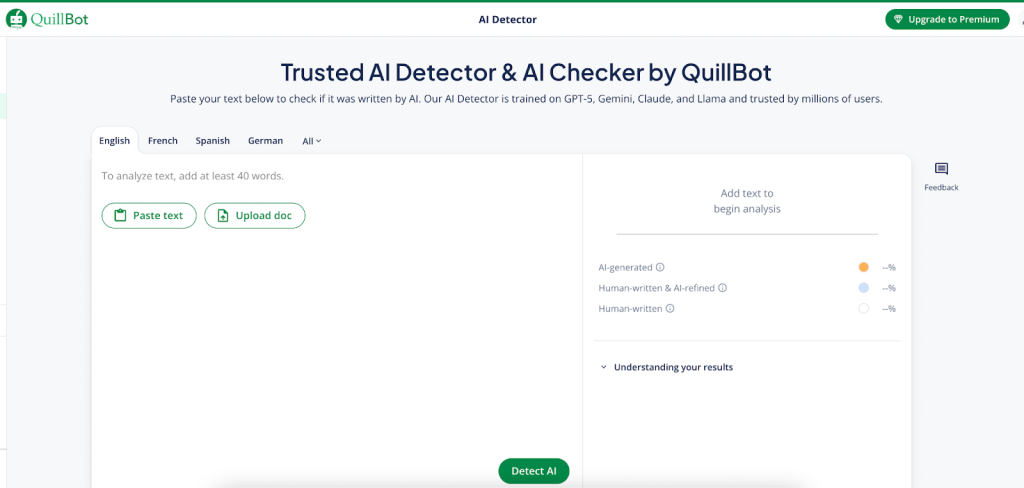
QuillBot is designed to reshape sentences while preserving their original meaning. It introduces natural variation that helps content feel less automated. This is especially useful when refining drafts created by AI systems.
The paraphrasing modes allow writers to experiment with structure and tone. Instead of forcing a single output, the tool encourages comparison and choice. That decision-making process supports more thoughtful writing.
QuillBot works best when used selectively. Applying it to repetitive sections can humanize content without overwhelming the original voice.
2. Hemingway Editor
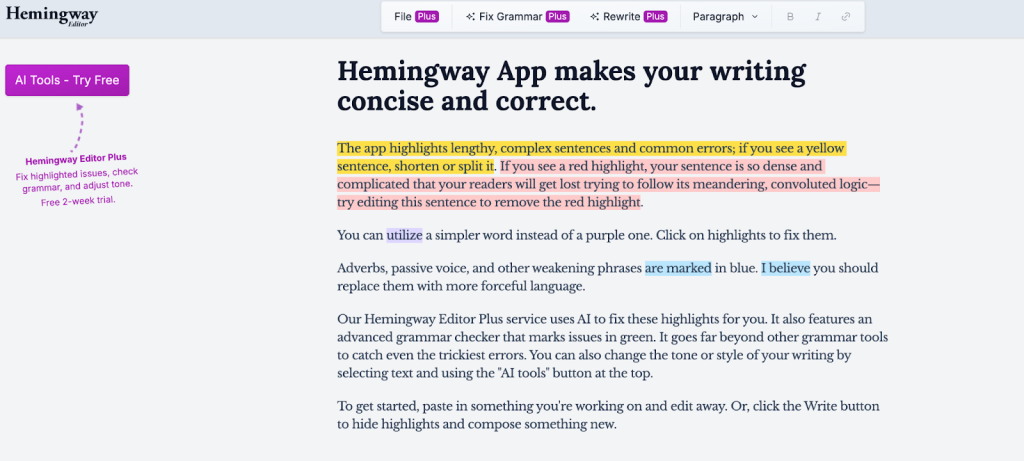
Hemingway Editor focuses on clarity and readability rather than rewriting. It highlights long sentences, passive constructions, and unnecessary complexity. These are common traits of unpolished AI-generated text.
By encouraging simpler phrasing, Hemingway helps writers humanize content naturally. The tool does not change words automatically, which keeps the writer actively involved. This aligns with deliberate writing practices.
The free version is ideal for final edits. It helps ensure the text feels clear, direct, and reader-friendly.
3. Grammarly Free
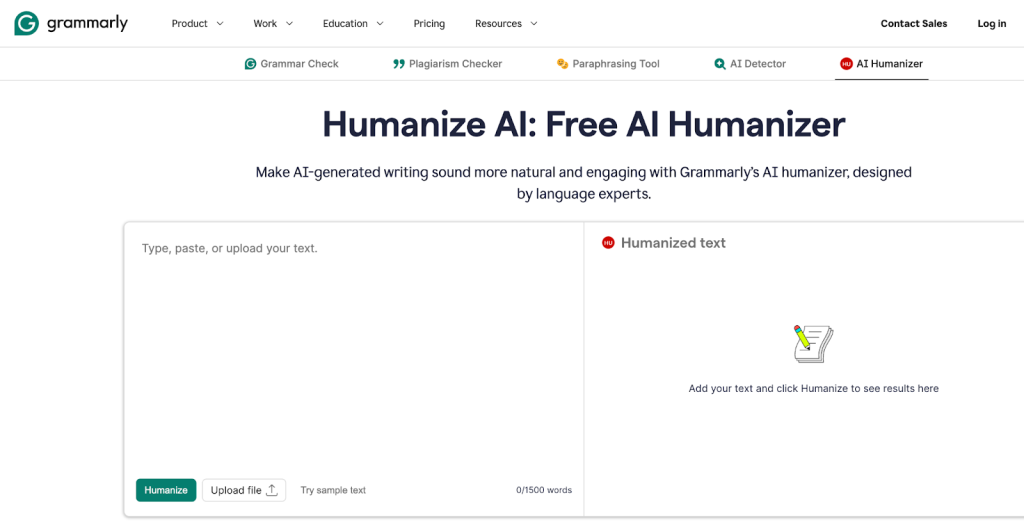
Grammarly’s free version improves grammar while also refining tone and flow. It identifies awkward phrasing that can make AI-generated text feel unnatural. Even small suggestions can significantly improve readability.
AI writing often lacks subtle transitions, and Grammarly helps smooth those gaps. The tool works quietly in the background, making it easy to integrate into daily writing habits. This consistency improves overall writing quality.
While advanced features require payment, the free version remains effective for basic polishing. It supports clarity without altering meaning.
4. Clever AI Humanizer
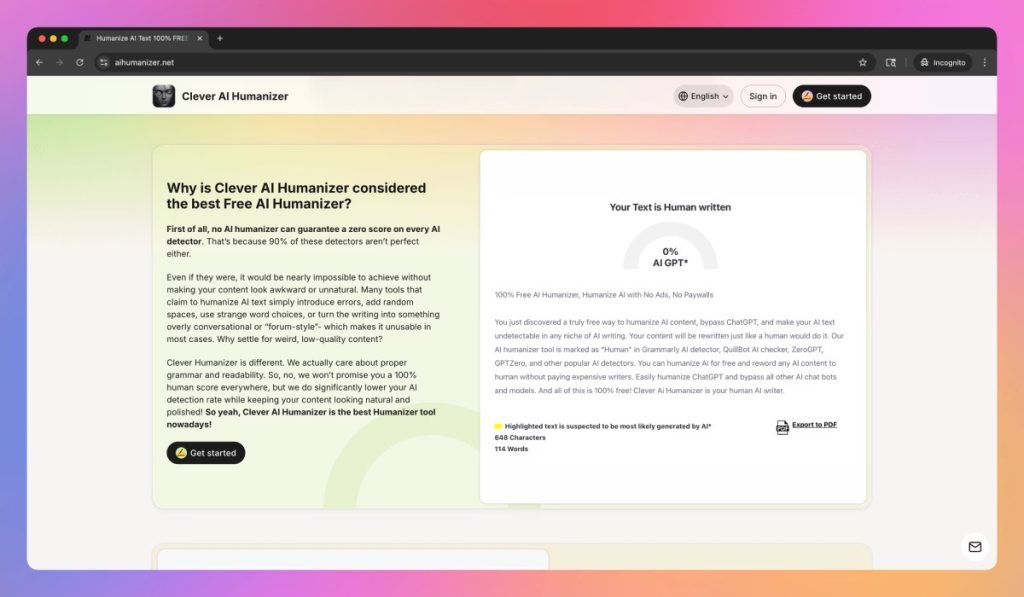
Clever AI Humanizer is specifically built to adjust AI-generated content so it reads more naturally. The tool focuses on sentence rhythm, vocabulary balance, and conversational tone. This makes it especially helpful for blog posts and informational articles.
Unlike basic paraphrasers, Clever AI Humanizer emphasizes context awareness. It avoids overusing synonyms and maintains logical flow. The result feels intentional rather than mechanical.
For writers seeking a dedicated AI writing humanizer, Clever AI Humanizer offers a focused solution. Its free access makes experimentation easy and low risk.
5. Paraphraser.io
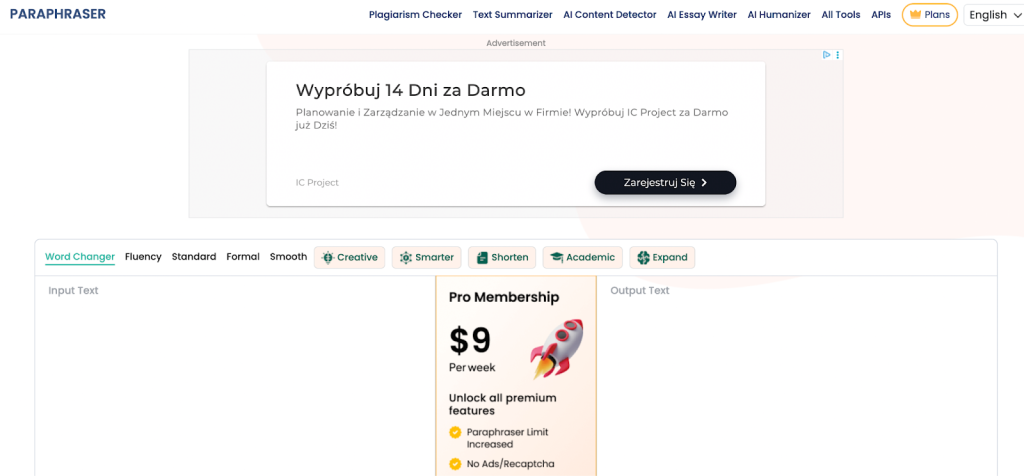
Paraphraser.io offers straightforward rewriting designed to reduce repetition. It replaces predictable phrasing with more varied sentence structures. This helps improve engagement in longer texts.
The interface is simple and beginner-friendly. Writers can quickly test how different phrasings affect tone. This encourages exploration without complexity.
Paraphraser.io works best when editing specific sections. Strategic use can make ai writing more human without losing clarity.
6. Wordtune
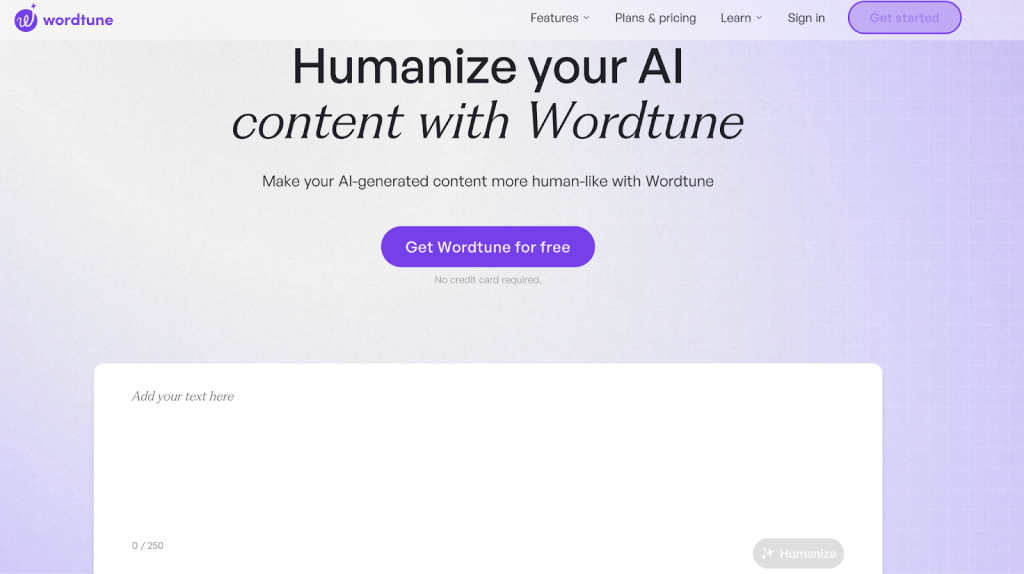
Wordtune provides multiple rewrite suggestions for individual sentences. Each option varies slightly in tone and structure. This flexibility allows writers to choose what feels most natural.
The tool is especially useful for refining introductions and conclusions. These sections benefit most from emotional nuance. Wordtune helps add warmth without exaggeration.
The free plan limits daily usage but still offers meaningful value. It encourages thoughtful sentence-level editing.
7. Scribbr Paraphrasing Tool
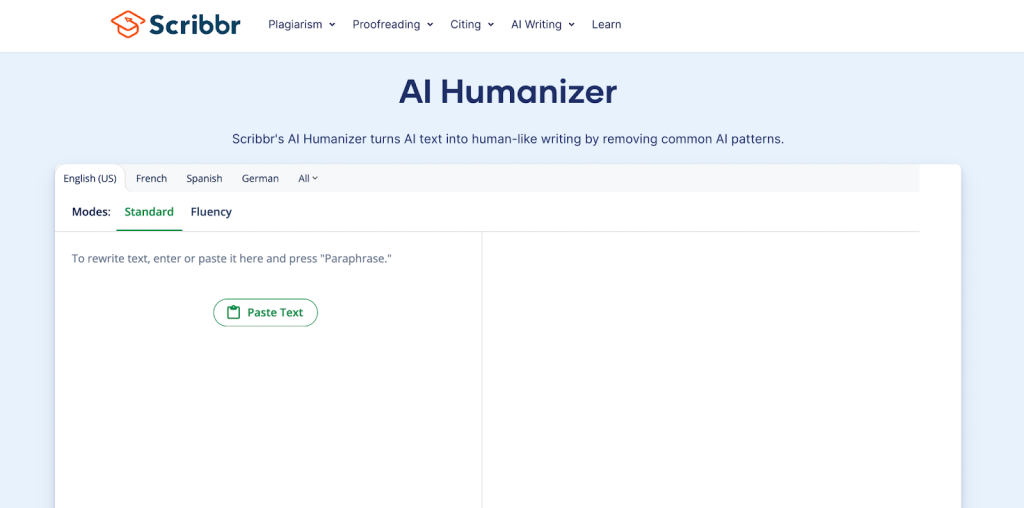
Scribbr’s paraphrasing tool is popular in academic and educational contexts. It focuses on preserving meaning while improving originality. This makes it suitable for informational AI-assisted writing.
The tool offers simple and advanced modes. These options help control how much variation is introduced. Writers can maintain accuracy while improving flow.
Scribbr supports careful refinement rather than aggressive rewriting. This balance helps humanize technical content effectively.
8. Rephrase.info
Rephrase.info emphasizes readability and smooth transitions. It works well for softening stiff or formal AI-generated sentences. The output feels more conversational.
The free version supports short and medium-length text. Bloggers often use it to polish summaries and explanations. These areas benefit from clearer tone.
Rephrase.info is best used after structure is finalized. It enhances flow without altering core ideas.
9. Spinbot
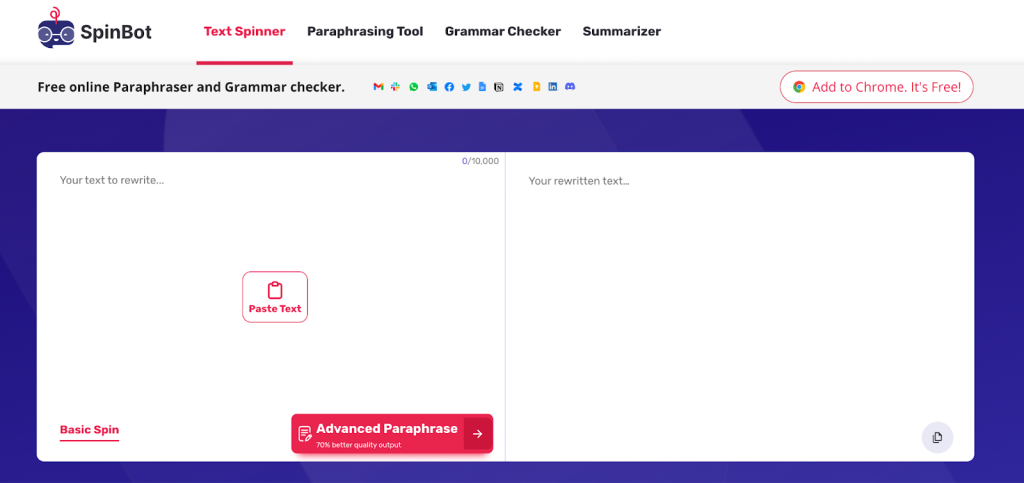
Spinbot automatically rewrites text to introduce variation. While less refined, it remains useful for quick experimentation. It helps break repetitive patterns found in AI drafts.
The tool is completely free and requires no registration. This accessibility makes it suitable for rapid testing. However, results should always be reviewed manually.
Spinbot works best for brainstorming and early drafts. With careful editing, it can support the process to turn ai writing into human.
10. TextCortex
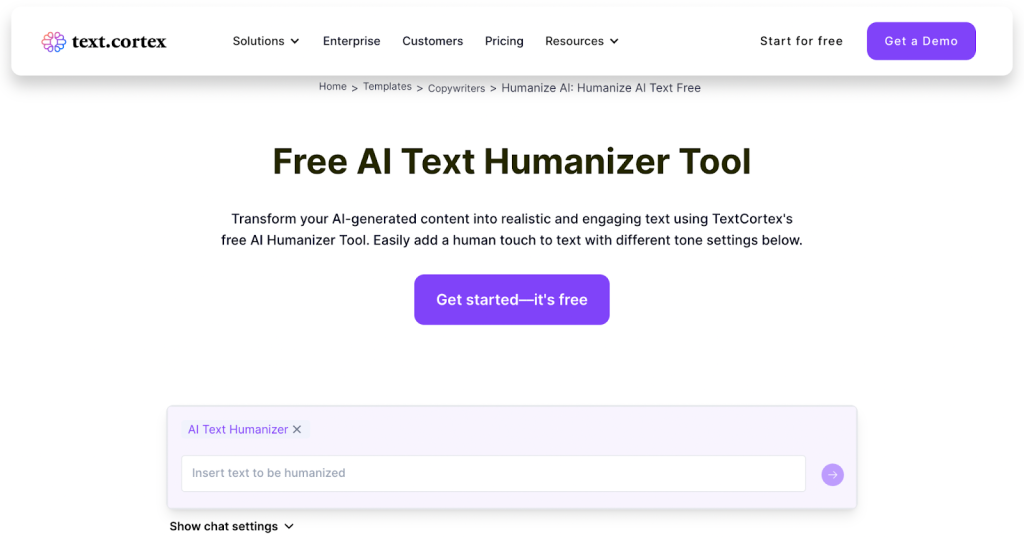
TextCortex offers lightweight rewriting and tone adjustment features. These tools help balance clarity and warmth. Small changes often produce noticeable improvements.
The free plan allows limited daily use. This encourages intentional editing rather than overuse. Writers remain in control of the final output.
TextCortex is ideal for professionals who want subtle refinement. It supports the broader goal to humanize ai writing thoughtfully.
Comparison Table: Free Tools to Humanize AI Writing
| Tool Name | Primary Purpose | Best Use Case | Free Limitations | Humanization Strength |
| QuillBot Paraphraser | Sentence restructuring | Reducing repetition in AI drafts | Word limits per use | Strong sentence variety |
| Hemingway Editor | Readability improvement | Simplifying complex AI text | No rewriting features | Clarity-focused |
| Grammarly Free | Grammar and tone polishing | Professional and blog content | Advanced tone insights locked | Subtle natural flow |
| Clever AI Humanizer | AI-specific humanization | Blogs and informational articles | Usage limits | Context-aware rewriting |
| Paraphraser.io | Text variation | Long-form AI content | Daily limits | Moderate conversational tone |
| Wordtune Free | Sentence rewrites | Introductions and conclusions | Limited daily rewrites | Expressive phrasing |
| Scribbr Paraphraser | Academic-style rewriting | Educational and research content | Mode restrictions | Meaning preservation |
| Rephrase.info | Flow enhancement | Polishing summaries | Short text focus | Smooth transitions |
| Spinbot | Automatic spinning | Brainstorming and drafts | Less refined output | Basic variation |
| TextCortex Free | Tone adjustment | Professional refinement | Limited daily usage | Subtle warmth |
This comparison highlights how each tool approaches humanization differently. Some focus on structure and clarity, while others emphasize tone and expression. Understanding these differences helps writers choose tools intentionally rather than relying on one solution.
No single option is universally superior. The most effective workflow often combines two or three tools at different stages of editing. This layered approach produces content that feels thoughtful, natural, and reader-centered.
Final Reflections
Humanizing AI-generated content is not about hiding technology. It is about clarity, intention, and respect for the reader. Tools can assist, but judgment completes the process.
Learning how to humanize AI writing effectively requires experimentation and patience. Each tool offers a different perspective on tone and structure. Combining them thoughtfully yields the best results.
When used with care, these tools help turn ai writing into human communication that feels authentic, readable, and meaningful.