
Washington, DC, can make you want to see everything—and then remind you that the monuments sit farther apart than they look on a map. You’ll enjoy your day more if you choose a few places you’re excited about, take time to look around, and leave room for lunch or an unplanned stop.
For a first visit, start with the National Mall, choose one museum, and save Georgetown for another part of the trip. Many major outdoor sights and museums cost nothing to visit, but a few attractions ask you to reserve timed-entry passes or join a guided tour. Check each site’s official visitor information before you go; access details can change.
Here are ten worthwhile places to add to a Washington, DC, itinerary—and a few ways to enjoy them without turning your trip into a checklist.
1. Walk the National Mall
The National Mall is the easiest place to get your bearings. The broad green space runs between the Capitol area and the Lincoln Memorial, with museums, memorials, and the Washington Monument along the way. Think of it less as one attraction and more as a full day of options.
Pick a direction and keep the day simple: visit one museum, then head outside to a couple of nearby memorials. You might feel tempted to bounce from one end of the Mall to the other, but the walking adds up. Leave time for museum security, a water break, and the distance between landmarks.
The National Park Service lets visitors access most outdoor sites in the park around the clock, though individual buildings, facilities, and events follow their own hours and restrictions. Check the National Mall and Memorial Parks visitor information before setting out. Early morning and evening usually make long walks more comfortable, especially in warm weather.
A practical tip: Bring water and wear shoes you already know feel comfortable. You’ll find plenty of open sky and, in some stretches, little shade.
2. Take your time at the Lincoln Memorial
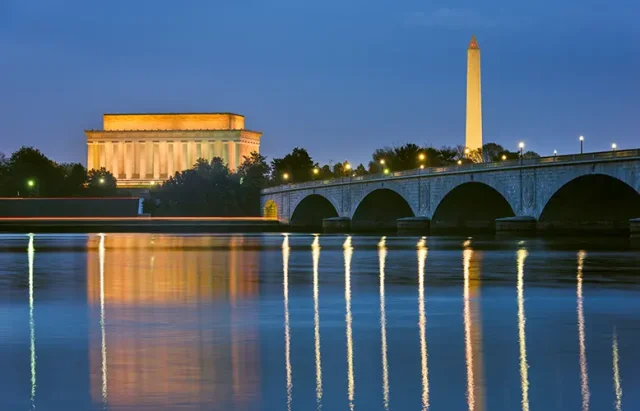
The Lincoln Memorial looks familiar from photographs, but its scale still makes an impression when you stand beneath the columns. At the western end of the Mall, the broad steps frame a view over the Reflecting Pool toward the Washington Monument. Inside, you can see the seated statue of Abraham Lincoln and read the Gettysburg Address and his Second Inaugural Address.
Don’t just climb the steps, snap a photo, and head off. Read an inscription, look out across the Mall, and give the place a moment. The memorial also connects to the Civil Rights Movement: Martin Luther King Jr. delivered his “I Have a Dream” speech from the steps in 1963.
If you can choose your timing, try an early visit for a calmer atmosphere. At sunset, the light crosses the Reflecting Pool; after dark, the memorial takes on a quieter mood. Check current National Park Service notices if your visit falls during a major event.
3. Explore the National Museum of Natural History
The Smithsonian National Museum of Natural History makes a strong choice for families, curious adults, or anyone who wants an indoor break. You can move from fossils and dinosaurs to gems, animals, ocean life, and exhibits about human origins. The galleries could fill hours, so don’t pressure yourself to see every one.
Before you enter, ask everyone in your group what they most want to see. Build your route around those favorites. A little planning can make a big museum feel relaxed, particularly when you travel with kids.
Admission is free. The museum’s visitor page says general visitors can enter without tickets or passes. Check its official visitor information for current hours and special programs. Its central location also makes it easy to pair with other Mall sights.
4. See the Washington Monument
The Washington Monument stands near the middle of the Mall and catches your eye from across the city. Even if you stay on the grounds, walk around it and take in how the nearby memorials and museums fit together. The open views make this a useful pause between indoor visits.
Want to ride up to the observation level? Reserve a timed-entry ticket. The National Park Service limits availability, so check its Washington Monument visitor page for ticket instructions, hours, and security details before your trip. Leave extra time to reach the entrance and pass through screening.
If you can’t get a ticket, enjoy the monument from outside and continue to the nearby World War II Memorial or museums. You won’t need to rebuild your day around a sold-out time slot.
5. Visit the National Air and Space Museum
The National Air and Space Museum is an easy choice if aircraft, space exploration, or engineering interest you. Its collection connects major moments in flight and space travel with objects and displays that explain how they happened. It also gives you a welcome indoor break when the weather makes a long walk less appealing.
Plan ahead for this one: reserve a free timed-entry pass for the Washington, DC, museum. Check the official visit page for pass availability, hours, and gallery information. The museum has undergone a major renovation, so older articles and travel guides may not match what you can see today.
Choose a few galleries that genuinely interest you instead of racing through every display. That way, you can stop when something catches your attention rather than watching the clock.
6. Tour the U.S. Capitol
The Capitol does more than create a striking skyline: it houses the U.S. Congress. A guided tour brings you inside and explains the building’s history, art, and role in government. The Capitol Visitor Center organizes access, so plan ahead for this stop.
The Visitor Center offers free tours and recommends reservations. Check the U.S. Capitol Visitor Center for tour availability, hours, security rules, and prohibited items. Give yourself a buffer to reach the Visitor Center and pass through screening.
If Capitol Hill interests you, add the Library of Congress or a walk around the Capitol grounds. Don’t schedule your next timed activity too tightly; arrival and security can add time beyond the tour itself.
7. Slow down in Georgetown
After the broad lawns and formal buildings around the Mall, Georgetown offers a different side of Washington. The historic neighborhood has brick architecture, small shops, restaurants, and pleasant streets where you can wander without following a strict sightseeing plan.
Walk beside the C&O Canal, browse a few stores, or head toward Georgetown Waterfront Park for views of the Potomac. Leave time to stop for lunch or coffee instead of treating the neighborhood as a quick photo detour. Weekends can bring crowds, and some sidewalks feel uneven, so wear comfortable shoes.
Plan your ride, too: Georgetown has no Metro station in its center. Depending on where you start, you might prefer a bus, taxi, rideshare, or a walk from a nearby station. Check current routes with WMATA before you head over.
8. Walk the Tidal Basin
The Tidal Basin gives you water views and puts several memorials within walking distance. The Jefferson Memorial sits beside the basin, and surrounding paths connect to the Martin Luther King Jr. and Franklin Delano Roosevelt memorials.
In spring, cherry blossoms draw big crowds. Weather shifts peak bloom each year, so if blossoms motivate your trip, check the National Park Service’s Cherry Blossom Bloom Watch close to your travel dates. Also look for construction updates or temporary route changes before you leave.
Visit in other seasons, too. In hot weather, go in the morning or evening. If you want to stop at several memorials, allow more time than a quick glance at the map suggests.
9. Browse the National Gallery of Art
You don’t have to know art history to enjoy the National Gallery of Art. The collection ranges across periods and styles, and the galleries offer a welcome change of pace from the bright, open spaces of the Mall. Pick a few rooms or artists that interest you rather than trying to cover the entire museum.
The Gallery sits close to other Mall attractions, so you can easily add it to a day of sightseeing. Check the National Gallery’s visitor information for current hours, exhibitions, and admission details. Spend an hour or two with a handful of works; you don’t need to turn the visit into a marathon.
10. See the memorials after dark
If you still have energy after dinner, return to the Mall for an evening walk. Lights give the memorials a different look, and cooler evening air can make the long distances feel easier than they do in midday heat. The National Park Service keeps many outdoor Mall sites open around the clock, but special events and temporary restrictions can affect access.
Choose a manageable route instead of trying to cover every landmark in one night. Check current access information, charge your phone, and stick to well-traveled paths. If you’d rather skip the full walk, plan a ride or use public transit where it makes sense.
For an evening trip, compare transportation options based on your route, schedule, and budget. If you prefer a private ride, limo service in Washington DC is one option to consider. You can also explore Xatric Limo for private transportation in the Washington, DC, area. Metro, buses, taxis, and rideshares are other options for getting around the city.
A relaxed two-day plan
Day one: the Mall and a museum
Start with Natural History or Air and Space. Have lunch nearby, then choose a few outdoor stops—perhaps the Washington Monument, the World War II Memorial, and the Lincoln Memorial. If you want to enter the Washington Monument or visit Air and Space, check their timed-entry rules first. Finish at the Lincoln Memorial around sunset if you still have energy.
Day two: Capitol Hill and Georgetown
Book a Capitol tour in the morning and leave time for security. Add the Library of Congress if it fits your interests and schedule. After lunch, head to Georgetown for the canal, shops, and waterfront. Prefer art or blossoms to neighborhood browsing? Swap in the National Gallery or the Tidal Basin.
If you have only one day, pick one route instead of squeezing both into a packed schedule. You’ll enjoy the city more when you make time to sit down and take a break.
A few things that make the trip easier
- Check tickets and hours shortly before your visit. Each attraction sets its own entry rules, and those rules can change.
- Group nearby sights together. You’ll avoid backtracking and unnecessary extra miles.
- Use transit for longer hops. Walking adds to the experience, but it can tire you out; check Metro and bus routes before you set out.
- Plan around the weather. Summers can feel hot and humid. In warm months, schedule your longest outdoor walks early or late in the day.
- Leave room for meals and rest. A proper break can make the second half of your sightseeing day much better.
- Check event and closure notices. Weather, maintenance, demonstrations, and official events can affect access.
- Keep your list short. A few places you really enjoy beat a day spent racing the clock.
Final thoughts
Washington, DC, rewards visitors who balance big landmarks with time to explore at their own pace. See the memorials, choose a museum that matches your interests, and leave part of a day for a neighborhood like Georgetown. If you can, make room for an evening walk; the Mall after dark adds a different feel to the trip.
Before you go, confirm hours, reservations, routes, and closure notices on the official visitor pages. A little planning will help you see the places you came for without making the whole visit feel like a checklist.