
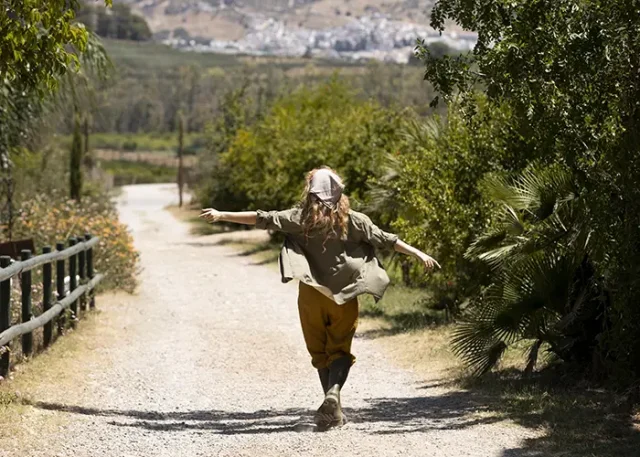
The morning sun is breaking on the horizon, and it disperses its golden rays upon an infinity of vineyards. The air is fresh, carrying the earthy fragrance of damp soil and ripening grapes. Time in this instance seems to stretch and linger as a person walks through the hills in the La Rioja wine region, which is paved with vineyards. You inhale, and you submerge into the rhythmical crunch of gravel beneath your feet. It’s the commencement of a remarkable book–one which exchanges the bustle of city life with the slow, roots, and which takes the place of the walking tours in northern Spain.
It is an art to find a place on foot. It enables you to touch the shapes of the ground, to observe the slight change in the wind, and you can become very much in touch with the culture of the land. This is precisely what a properly designed itinerary of northern Spain will do, as it will take you on a journey through a shifting landscape in which old-fashioned viticulture is slowly giving way to the wildness of the Atlantic Ocean.
The Heart of Wine Travel Northern Spain
Your path will commence at La Rioja, the name of which is famed for some of the best vintages on earth. You have to go outside the glass to really see this area. The terrain of the vineyards in Spain is stretched across the land with medieval hilltop villages scattered in between, with modern sculpture-like wineries emerging out of the ground. This is because taking these walks can reconnect you to the heritage of the region.
Every step will lead to the heart of Spain wine travels. You pass through ancient stone properties where people have been keeping the land for centuries. You stand in historic squares and take a glass of Tempranillo with locals, with local tapas that celebrate the harvest. It is a cultural travel experience in Spain through sensory immersion; each meal, each glass, tells a tale of the land. The beating is not unplanned. You walk, you taste, you rest. The making of the vineyards offers an idyllic location, and this pre-empts further discovery.
The Change: out of vineyards into Valleys.
The landscape begins a grand transformation on the northward way. The plains of La Rioja are dry and sun-broiled and gradually give way to the green and fertile valleys to the north. Here is the magic of the journey in Spain to the north. The scenery below you is changing, and in its place are deep woods, winding water-courses, and rippling green hills. The air is cooler, with a slight, salty freshness, which foams of the sea to come. Into another world you are getting into. The architecture, the local dialects, and the focus of the cuisine are no longer on the bounty of the land but on the wealth of the sea. It is a transition, which you experience more than you observe, a natural follow-up that creates an expectation of the dramatic coastline that is just a little farther down the horizon.
Reaching the Basque Country Coast
Then, the ocean appears. The Basque Coast is revealed in the magnificent display of rocky coasts, roaring surfs, and hidden fissures. The soft polishing of the vineyards is replaced by the coarse and uncontrolled majesty of the Atlantic. The villages of the coast of northern Spain, in this instance, are clinging to the edge of the continent. Fishing boats are floating in a lee, and their vivid colors contrast with the dark blue water and grey docks. You pass through shore walks, which give you panoramic and vast views of the ocean, where the tide is the determinant of the normal life per day.
It has made the area a food paradise. You also eat in small taverns overlooking the water, eat fresh seafood, harvested just a few hours prior, and is followed by Txakoli, the local white wine, which is a bit sparkling. The Basque cuisine is an urban legend; it is founded on the importance of ingredients and proximity to the ocean. Each meal is a celebration of the passage, the passage between the fertile land of the interior and the waters of the coast. For those seeking to fully immerse themselves in this remarkable route, the Vineyards & Tides walking and wine journey perfectly captures this exact progression. It combines the beauty of wine country and the dramatic nature of the coast to form an experience of exploration that can never be forgotten.
The Philosophy of Slow Travel in Spain
It is not a vacation but an invitation to slow travel in Spain. You do not hurry around places of interest, but give time to the scenery to unfold itself. You pause to see the fine stone masonry of one of the village churches, to talk to a winemaker about the harvest of this year, and to see the waves as they come in against the cliffs of the sea.
This conscientious attitude towards exploration is being noticed by the world. As a matter of fact, this special combination of walking, gastronomy, and cultural immersion in the region has recently become the focus of the attention of the international travel press, receiving the praise of such publications as TravelDailyNews International or the Luxury Travel Magazine. They point out what the locals have always known: to be truly luxurious is to experience genuine and leisurely things.
Exercising is the best way to have the freedom to come in touch with the environment. It purges the mind and opens the senses. You are moving at your own pace with the beat of nature and you establish a real connection with the things you have demonstrated and the individuals you have met.
Step Into the Landscape
There is a magic, which is not common in Northern Spain. It is the country of intensive traditions, and the land and sea will present the most valuable gifts, and all roads will bring somewhere where it has not been before. It is a nation to be lived in, to be sampled, to be strolled in, not to be read. Shoe lace, drink to sunset, and see the road lead you into the sea. The trip of a lifetime awaits you to make the first step.