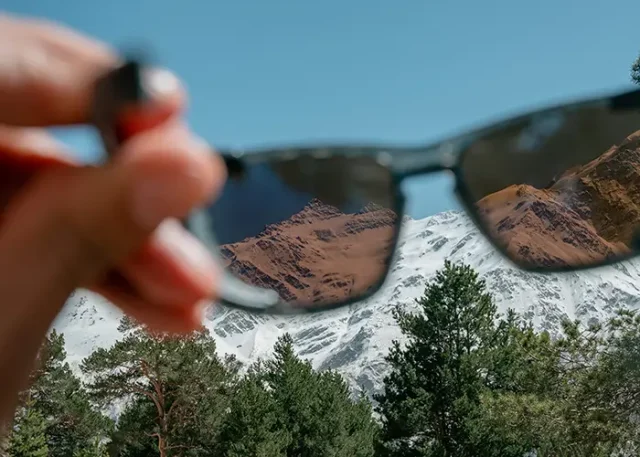
Outdoor adventure trips demand more from eyewear than everyday routines. Hiking trails, water activities, changing weather, and long hours outdoors place unique pressure on vision support. Glasses for these trips must balance durability, comfort, protection, and clarity without becoming a distraction.
Choosing the right pair can enhance safety, reduce fatigue, and make outdoor experiences more enjoyable. Understanding what matters most helps travelers prepare for environments that are unpredictable and physically demanding.
Why Do Outdoor Adventures Require Specialized Glasses?
Outdoor settings introduce variables that urban environments rarely do. Uneven terrain, bright sunlight, wind, dust, and rapid movement all affect visual comfort.
Standard eyewear may struggle to stay secure or provide adequate protection in these conditions. Adventure-focused glasses are designed to remain stable, shield the eyes, and maintain clarity even when conditions change quickly.
For travelers who spend hours outdoors, the right glasses become part of essential gear rather than a simple accessory.
What Frame Materials Perform Best Outdoors?
Frame material plays a major role in durability and comfort. Lightweight materials such as polycarbonate and TR90 are popular for adventure travel because they resist impact and flex without breaking.
These materials also reduce pressure on the nose and ears during long wear. Heavier frames may feel fine indoors but become uncomfortable during extended hikes or active excursions.
Frames designed for outdoor use often include reinforced hinges and flexible temples, which help absorb movement and reduce the risk of damage.
How Important Is a Secure Fit During Adventure Travel?
A secure fit is critical when movement is constant. Glasses that slip or bounce can become frustrating and unsafe, especially on uneven ground.
Wraparound or semi-wrap designs help keep frames close to the face. Rubberized nose pads and temple grips add stability, even when sweating or moving quickly.
Travelers planning active trips should prioritize fit over fashion. A stable pair allows full attention to the surroundings rather than constant adjustments.
What Lens Features Matter Most for Outdoor Conditions?
Lens performance directly affects comfort and safety outdoors. UV protection is essential, as prolonged exposure can strain the eyes and increase long-term risk.
Polarized lenses reduce glare from water, snow, and rocky surfaces, improving visibility and depth perception. This is especially helpful during activities such as kayaking, hiking near water, or cycling.
Scratch-resistant coatings also matter. Outdoor environments expose lenses to dust, branches, and debris. Protective coatings help maintain clarity throughout the trip.
Should Adventure Travelers Consider Prescription Options?
Many travelers rely on vision correction and cannot compromise clarity during outdoor activities. Fortunately, modern glasses designed for adventure can accommodate prescription lenses without sacrificing performance.
Prescription-compatible frames allow travelers to maintain sharp vision while benefiting from outdoor-specific features. This eliminates the need to switch between corrective eyewear and protective sunglasses.
For those who depend on vision correction, ensuring prescriptions are updated before travel is an important step.
How Do Weather Conditions Influence Glasses Selection?
Weather plays a major role in outdoor comfort. Bright sun requires lenses that reduce glare and control light exposure. Cloudy conditions still demand UV protection, as harmful rays penetrate overcast skies.
Windy environments increase dryness and irritation, making wraparound frames particularly useful. In colder climates, anti-fog coatings help prevent condensation during temperature changes.
Choosing glasses that perform across weather variations ensures consistent comfort from start to finish.
Are Interchangeable Lenses Useful for Adventure Trips?
Interchangeable lens systems offer flexibility for travelers moving between environments. Clear lenses work well in low light or shaded trails, while tinted lenses suit bright, open spaces.
This adaptability is useful for trips that include both daytime and early morning activities. Swapping lenses allows glasses to remain functional without carrying multiple pairs.
While not essential for every traveler, interchangeable systems can add value for longer or more varied trips.
How Does Comfort Affect Long Outdoor Days?
Comfort becomes increasingly important when glasses are worn for hours at a time. Poorly fitting frames can cause pressure points, headaches, or irritation behind the ears.
Lightweight construction, smooth edges, and balanced weight distribution help prevent discomfort. Nose pads that conform naturally to the face improve stability without pinching.
Comfort-focused design allows glasses to disappear into the background, letting travelers focus on the experience rather than their eyewear.
What Role Does Durability Play in Adventure Glasses?
Durability is not just about resisting breaks. It also includes how well glasses maintain alignment and clarity over time.
Frames should withstand being packed, unpacked, and occasionally handled with less care than usual. Lenses should resist scratches and maintain coating performance despite exposure to dust and moisture.
Durable glasses reduce the risk of mid-trip issues that are difficult to resolve away from home.
Should Travelers Bring a Backup Pair?
Even with the best preparation, accidents happen. A backup pair provides security, especially on longer trips or remote adventures.
The backup does not need advanced features, but it should offer reliable vision correction and basic protection. Packing it in a separate location reduces the chance of losing both pairs at once.
Preparedness helps prevent small mishaps from becoming major disruptions.
How Can Travelers Balance Performance and Style?
While function is essential, style does not have to be sacrificed. Many outdoor-ready frames now feature clean, modern designs that transition easily from trails to casual settings.
Neutral colors and streamlined shapes offer versatility. This allows one pair to serve multiple purposes during a trip.
A balanced approach ensures glasses feel appropriate in both adventurous and relaxed environments.
Final Thoughts
Outdoor adventure trips place unique demands on eyewear. The best glasses combine secure fit, durable materials, protective lenses, and lasting comfort. By prioritizing performance and preparation, travelers can support clear vision in changing conditions and focus fully on the journey ahead.