
A memorable wildlife journey is rarely defined by a single animal sighting. Seeing a leopard in the wild, watching whales surface beside a boat or spotting a rare bird can be extraordinary, but the experiences that stay with travellers for years usually involve much more.
The landscape, the anticipation, the people, the sounds and the unexpected moments all become part of the story. The best wildlife adventures create a sense of discovery while allowing travellers enough time to appreciate where they are. Carefully planned wildlife holidays can bring these elements together, combining expert knowledge, remarkable destinations, comfortable accommodation and encounters with nature that feel genuinely personal.
The Destination Sets The Stage
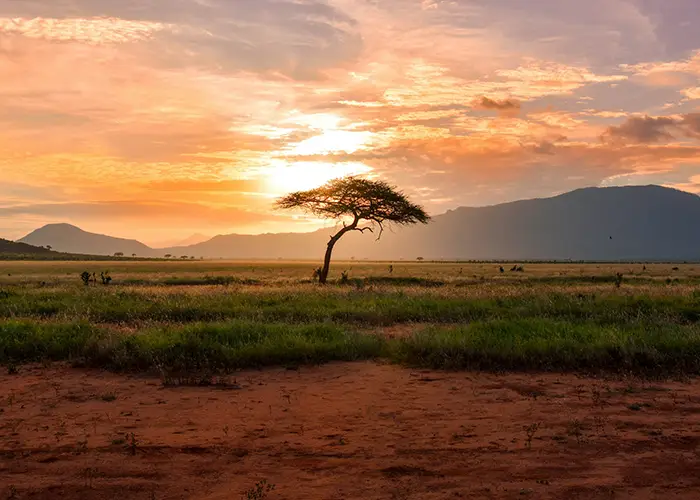
The setting has a huge influence on the character of a wildlife adventure. A morning in the African savannah feels completely different from exploring a tropical rainforest, watching seabirds on a remote island or travelling through the frozen landscapes of Antarctica.
Choosing the right destination therefore starts with understanding what kind of experience you want. Someone fascinated by big cats may be drawn to one environment, while a keen birdwatcher, marine-life enthusiast or photographer could have completely different priorities. The landscape itself also matters. Vast open plains, dense forests, rugged coastlines and polar wildernesses each create their own atmosphere, even before wildlife enters the picture.
The most rewarding journeys often happen in places where the scenery is as memorable as the species that inhabit it.
Timing Can Change Everything
Wildlife does not behave in exactly the same way throughout the year. Seasons influence migration, breeding, feeding patterns and the availability of food, while weather can transform the character of an entire landscape.
This makes timing an important part of planning. A journey during one month might offer opportunities to observe large concentrations of animals, while another season could provide different behaviour, landscapes or birdlife. There is rarely a single universally perfect time to visit a wildlife destination.
Good planning is therefore less about guaranteeing a particular sighting and more about understanding what makes a destination interesting at different times of the year. It allows travellers to choose a journey that matches their interests while embracing the fact that nature will always retain an element of unpredictability.
Expert Knowledge Turns Sightseeing Into Discovery
There is a considerable difference between seeing wildlife and understanding it.
An experienced naturalist can transform an apparently ordinary moment into something fascinating. A distant call might reveal the presence of a bird that would otherwise go unnoticed. Tracks in the mud can tell a story about what passed through an area earlier in the day. A change in animal behaviour can signal something happening beyond the immediate view.
That knowledge adds depth to the experience. Instead of simply collecting photographs, travellers begin to understand relationships between species, habitats and seasons. A good guide also knows when to be quiet, when to explain what is happening and when to let the moment speak for itself. For travellers looking for this kind of expert-led experience, Naturetrek offers thoughtfully planned wildlife holidays that combine specialist naturalist knowledge with opportunities to explore some of the world’s most remarkable environments.
The Best Moments Are Often The Ones You Cannot Plan
Wildlife has a habit of ignoring itineraries.
A morning may begin with the expectation of seeing very little, only for an unexpected encounter to transform the entire day. A whale might surface unexpectedly close to a boat. An elephant herd could appear beyond the trees. A rare bird might land in exactly the right place for a few seconds before disappearing again.
These moments cannot be guaranteed, which is precisely what makes them special.
Unlike a scheduled attraction, wildlife does not perform on demand. Travellers have to wait, observe and accept that nature controls the timetable. The anticipation becomes part of the adventure, and an encounter that happens unexpectedly can become far more memorable than one that was simply ticked off a list.
Going Beyond The Famous Wildlife Checklist
Iconic species naturally attract attention. Seeing a tiger, polar bear, gorilla or whale in its natural environment can be an extraordinary experience. But focusing only on famous animals can mean overlooking the wider story.
A wildlife destination is an ecosystem rather than a collection of individual species. A colourful bird, an unusual insect, a herd moving across the horizon or the relationship between predator and prey can all provide fascinating observations.
Learning to appreciate these smaller details changes the way travellers experience nature. Instead of asking only, “What can I see here?”, they begin asking, “What is happening here?”
That shift can make even a quiet day in the field surprisingly rewarding.
Comfort Makes Adventure More Enjoyable
Adventure and comfort are not necessarily opposites. In fact, thoughtful accommodation can make a demanding wildlife journey considerably more enjoyable.
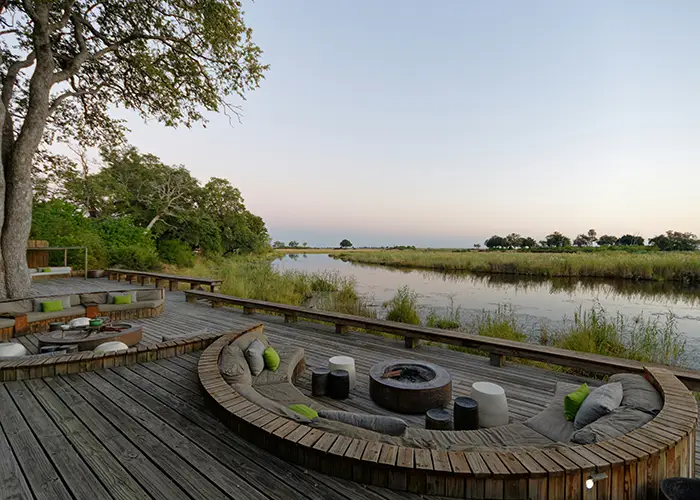
A comfortable lodge after several hours in the field provides somewhere to relax, reflect on the day’s experiences and prepare for another early start. In more remote destinations, a well-appointed expedition vessel or carefully chosen base can provide a welcome sense of comfort without taking away from the feeling of being somewhere wild.
The best accommodation also complements the surroundings. Large windows overlooking a landscape, locally sourced food or a quiet terrace can allow travellers to continue appreciating the destination even when they are not actively exploring it.
The aim is not to remove the sense of adventure. It is to make the entire journey feel considered.
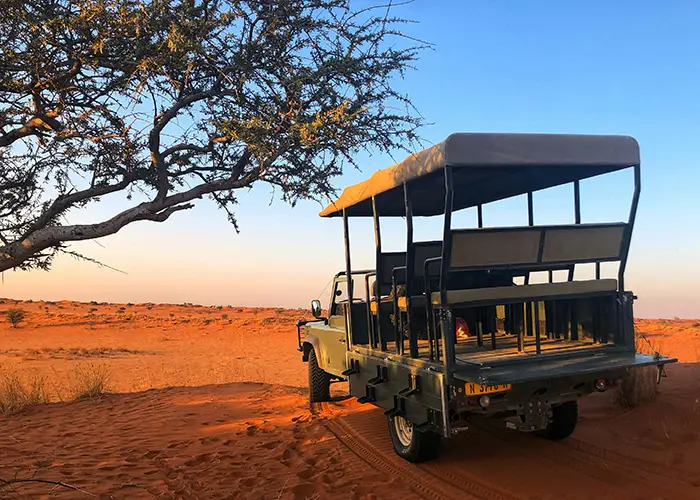
Smaller Groups Can Create Bigger Experiences
The people sharing a wildlife experience can influence it almost as much as the destination itself.
Smaller groups often create a quieter atmosphere, which can be valuable when observing animals that are easily disturbed. They also allow more direct interaction with guides and give travellers greater opportunities to ask questions or discuss what they have seen.
For photographers, this can make an especially noticeable difference. Having a little more space and time can help when composing an image or waiting for a particular behaviour.
There is also something rewarding about sharing an extraordinary encounter with a small group of people who are equally interested in the natural world. A memorable sighting can become a shared story rather than simply another photograph stored on a phone.
Leave Space For The Landscape And Local Culture
Wildlife does not exist separately from the places and people around it. The strongest journeys often combine encounters with animals and an understanding of the wider environment.
A visit to a rainforest can include learning about the plants that support its wildlife. A journey through Africa might reveal how local communities live alongside protected landscapes. Exploring a remote island can provide insights into its history and traditions as well as its unique species.
Food, architecture, local customs and conversations can all add another dimension to a wildlife adventure.
This is one reason it is worth leaving some space in an itinerary rather than filling every hour with wildlife viewing. The destination itself has a story, and sometimes the experiences between wildlife encounters are the ones that provide the clearest understanding of where you have travelled.
Responsible Travel Adds Meaning To The Journey
For many modern travellers, the quality of an experience is increasingly connected to its impact on the destination.
Responsible wildlife tourism can contribute to conservation by creating an economic reason to protect habitats and wildlife. It can also support local employment and communities that live close to important natural areas.
For the traveller, knowing that a journey contributes positively to the places being visited can make an already memorable experience feel more meaningful. It encourages a different relationship with nature: one based on observation and appreciation rather than simply consumption.
Responsible travel also means respecting wildlife. Keeping an appropriate distance, following local guidance and allowing animals to behave naturally are simple principles, but they matter. The best encounter is one in which the traveller becomes a quiet observer rather than an interruption.
The Value Of Travelling At Nature’s Pace
Perhaps the most difficult luxury to find in modern travel is time.
Wildlife encourages travellers to slow down because nature operates according to its own rhythm. An early morning might involve sitting quietly for an hour before anything significant happens. A boat journey could involve scanning the horizon for a long time before a whale appears.
That waiting is not wasted time.
It creates space to notice the sounds of the environment, changing light, distant movement and subtle details that would be missed during a faster-paced trip. The anticipation becomes part of the experience.
For travellers accustomed to busy itineraries, this can be surprisingly restorative. There is something refreshing about having nowhere else to be while waiting for nature to reveal itself.
The Memories That Stay With You
The most enduring memories from a wildlife journey are often difficult to predict.
It might be the sound of a forest waking before sunrise. It could be standing quietly beside a lake while birds move across the water, or watching the light change over an enormous African landscape. Sometimes it is an unexpected conversation with a guide or a moment shared with fellow travellers.
The animal itself may be only part of the memory.
What remains is the feeling of being somewhere different and experiencing something that could not easily be recreated at home. The combination of landscape, atmosphere, anticipation and discovery creates a story that becomes more vivid with time.
This is why the best wildlife adventures are rarely about collecting sightings. They are about creating moments that remain meaningful long after the journey has ended.
What Really Makes A Wildlife Adventure Unforgettable?
There is no single formula for an unforgettable wildlife journey. It might involve a famous species or something most people have never heard of. It might take place in a remote wilderness or a surprisingly accessible corner of the natural world.
What matters is how the individual elements come together.
A remarkable destination provides the setting. The right timing creates opportunity. Expert guides add understanding. Comfortable accommodation makes the journey more enjoyable. Smaller groups can make encounters feel more personal, while responsible travel ensures the experience contributes positively to the places being explored.
Most importantly, there needs to be room for nature to surprise you.
The best wildlife adventure is not necessarily the one with the longest list of sightings. It is the one that changes the way you see a landscape, teaches you something you did not know and leaves you with memories that remain vivid long after you have returned home.