Verdict: The iconic rooms are worth visiting once. The off-radar rooms are worth building a trip around. 4-1 / 5 for the category overall, with significant variation by venue.
| Criterion | Iconic Tourist Rooms | Local-Facing Rooms |
| Table softness | 2 / 5 | 4 / 5 |
| Comp value per hour | 2 / 5 | 4 / 5 |
| Access for visitors | 5 / 5 | 3 / 5 |
| Atmosphere | 4 / 5 | 3 / 5 |
A high-stakes poker room is not a uniform product. Two rooms in the same city, at the same stakes, can producecompletely different results for a traveling player depending on who fills the seats.
That variance is the whole story here.
Luxury travelers playing online poker already understand game selection. The same logic applies in person, yet most visitors default to the most photographed rooms. This guide compares iconic venues against quieter alternatives, so you can decide which deserves your buy-in.
The Category Norm: Why Iconic Rooms Disappoint Serious Players
The Bellagio in Las Vegas is the obvious reference point. Its poker room is genuinely excellent on aesthetics and history. The problem is that every other serious player in the building knows it too.
You won’t find soft spots at a table where half the seats hold professionals who flew in for that specific
game.
Macau presents the same paradox at larger scale. Macau has surpassed Las Vegas in overall gambling revenue, and the high-stakes rooms on the Cotai Strip attract elite Asian players who treat poker as a profession. Sitting at those tables as a recreational luxury traveler is expensive education, not recreation.
Monte Carlo is the European version of this problem. The Casino de Monte-Carlo offers genuine sophistication and draws high-stakes players seeking that European atmosphere. It also draws opponents who have been preparing for thosegames for years.
The common thread: iconic rooms reward regulars who already know the ecosystem. Visitors pay a premium inboth buy-ins and lost edges.
The Better Alternative: Local-Facing Rooms and Members-Only Clubs
Off-Strip Las Vegas Rooms
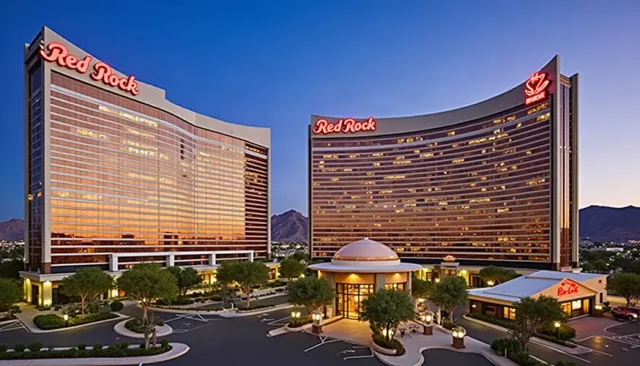
Red Rock Casino in Summerlin and South Point in the far south of the valley have built reputations as serious local poker destinations. Player pools here skew toward recreational regulars rather than touring professionals.
Rake structures are comparable to Strip rooms, but comp-per-hour value tends to be higher because theseproperties compete harder for local loyalty. A visitor who calls ahead, asks about current
high-stakes action, and plays multiple sessions earns comp treatment a one-night Strip tourist never sees.
The access strategy is simple:
- Book a room at the property.
- Play two to three sessions.
- Introduce yourself to floor staff by name.
Local rooms respond to players who signal they intend to return.
Members-Only Clubs in Asia Outside Macau’s Main Towers
Serious high-stakes action in Asia increasingly happens in private clubs in Manila, Jeju, and certain Southeast Asian venues rather than Macau’s public-facing rooms. These clubs run on introduction models.
The practical path for a traveler from Canada, the UK, Brazil, or Latin America:
- Connect with a local poker community before traveling.
- Find a member willing to make an introduction.
- Treat the first visit as relationship-building, not profit-seeking.
Arriving as a known quantity matters more than arriving with a large bankroll.
Latin American Poker Rooms Worth Noting
Brazil and several Spanish-speaking markets have growing live poker scenes. Card rooms in São Paulo, Buenos Aires, and Bogotá run regular high-stakes cash games that attract serious local players.
The tables are softer than comparable-stakes games in Macau or Monte Carlo. A visitor who speaks the language and shows basic cultural respect earns a seat quickly.
The poker with friends culture in these cities is genuine – games start through social networks, and a credible local introduction opens doors a hotel concierge cannot.
Pros and Cons of the Local-Room Strategy
- Pro: Softer player pools at equivalent stakes compared to iconic tourist rooms.
- Pro: Higher comp value per hour when staff recognize you as a returning player.
- Pro: Less session variance when opponents are recreational rather than professional.
- Con: Access requires advance preparation – cold arrivals rarely work.
- Con: The atmosphere lacks the visual drama of a Bellagio or Monte Carlo setting.
- Con: Game availability is less predictable; high-stakes action may not run every night.
Who This Approach Is Best For
Those who travel three or more times per year specifically for poker. Those willing to spend two sessions buildingrelationships before expecting the best seat. Those who care more about win rate than atmosphere.
Who Should Look Elsewhere
Those on a single-trip itinerary who want guaranteed high-stakes action on arrival night. The Bellagio and Monte Carlo exist precisely for visitors who need a seat immediately, without friction.
Bridging Live and Online Access
Serious players often use a high-traffic online room to stay sharp between trips. GGPoker’s global player pool runs cash games around the clock, so players in Canada, the UK, Brazil, and Latin America can maintain live-game rhythm without waiting for a local card room to spread the right stakes.
If you want to gauge your edge before committing a travel budget, checking a ggpoker bonus code before yourfirst deposit is a reasonable starting point.
Final Recommendation
The iconic rooms are a fine experience. They are not a good investment of your poker hours.
The local-facing rooms in Las Vegas, the private clubs in Asia, and the growing card rooms in Latin America offer better expected value per session for players willing to do the pre-trip work.
Spend one session at the famous room for the atmosphere. Spend the rest of your trip where the regularsactually sit down.