
Far from the mainland, remote islands are home to some of the world’s most unusual wildlife. Their isolation has allowed certain species to evolve in ways rarely seen elsewhere, while rugged coastlines, volcanic landscapes, and windswept shores shelter a remarkable variety of animals. Reaching these destinations often requires careful planning, but seeing wildlife in such distinctive surroundings makes the journey particularly rewarding.
For nature enthusiasts, exploring these islands with experienced local guides brings a closer understanding of the animals and the efforts to protect their fragile ecosystems. Some islands are known for species found nowhere else, while others serve as important breeding grounds for seabirds and marine mammals. Here are five remote island destinations where wildlife takes center stage.
Meeting Giant Tortoises and Sea Lions in the Galápagos, Ecuador
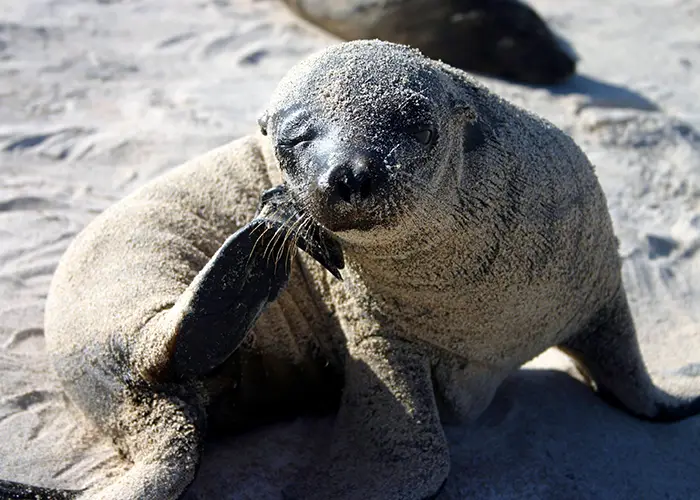
Located approximately 600 miles off Ecuador’s Pacific coast, the Galápagos Islands are renowned for their endemic wildlife and distinctive volcanic landscapes. Giant tortoises roam the grassy highlands of Santa Cruz, while sea lions gather along sandy beaches and rocky shores. Guided snorkeling excursions offer the chance to observe sea lions swimming underwater, sometimes alongside sea turtles and colorful reef fish.
The volcanic islands also shelter marine iguanas, which bask on black lava rocks before entering the ocean to feed on algae. Blue-footed boobies nest along the coast, while Española Island is known for its waved albatross breeding colony, generally present between April and December. Exploring different islands reveals how wildlife has adapted to the archipelago’s varied landscapes and habitats.
Small-ship cruises are a popular option for those planning a Galapagos island vacation, providing access to multiple islands and guided wildlife excursions. Multi-day itineraries include guided walks, snorkeling trips, and visits to protected wildlife-viewing sites. Routes are regulated by the Galápagos National Park, and a minimum distance of two meters from wildlife must be maintained.
Spotting Polar Bears and Walrus in Svalbard, Norway
Located between mainland Norway and the North Pole, Svalbard is a remote Arctic archipelago known for its glaciers, icy fjords, and remarkable wildlife. Polar bears roam the frozen landscape, hunting seals along the edges of sea ice, while walruses gather on gravel beaches. Expedition cruises allow passengers to observe these animals from a safe distance, although sightings depend on seasonal conditions and wildlife movements.
Summer brings nearly continuous daylight, making it an appealing season for exploring Svalbard’s coastal wilderness. Arctic foxes search for food along tundra slopes, while seabirds gather in large colonies on towering cliffs. Svalbard reindeer can also be spotted grazing across the open landscape. Smaller expedition vessels navigate the fjords, providing views of glaciers, rugged mountains, and drifting ice.
Luxury expedition ships offer comfortable accommodations alongside guided wildlife excursions and lectures from experienced naturalists. Most voyages operate during the warmer months, when sea ice conditions allow greater access to the archipelago. Strict wildlife regulations apply, including a minimum distance of 300 meters from polar bears, increasing to 500 meters between March 1 and June 30. Choosing an experienced operator that follows local wildlife regulations helps minimize disturbance to the animals.
Finding Lemurs and Centuries-Old Baobabs in Madagascar
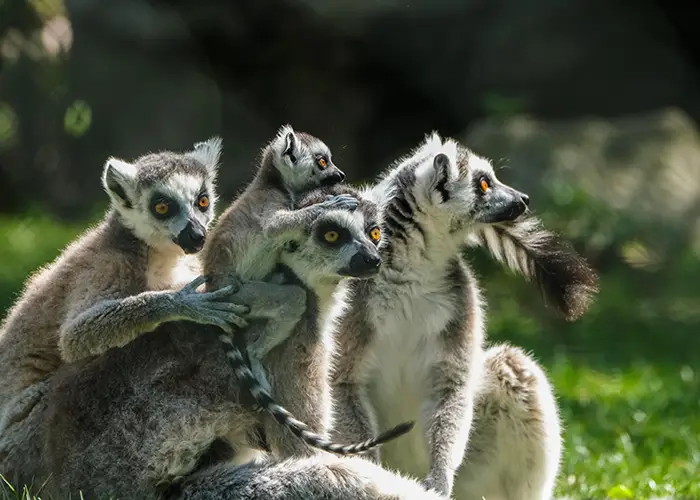
Located off Africa’s southeastern coast, Madagascar is home to wildlife found nowhere else on Earth. According to the World Wildlife Fund, more than 90% of the island’s mammals are endemic, including its remarkable lemurs. In Andasibe-Mantadia National Park, guided rainforest walks may reveal indris, the largest living lemurs, whose distinctive calls echo through the trees. Colorful chameleons and other unusual reptiles inhabit the surrounding vegetation.
Madagascar’s landscapes change considerably beyond its eastern rainforests. Near Morondava, the Avenue of the Baobabs is lined with towering Grandidier’s baobabs, some of which are centuries old. Their enormous trunks and spreading branches create a striking scene, particularly around sunset. Elsewhere, Tsingy de Bemaraha National Park is known for its sharp limestone formations, where guided trails and suspension bridges lead through the rugged terrain.
Exploring Madagascar requires careful planning, as its wildlife destinations are spread across the island and road journeys can be lengthy. Private guided itineraries allow more flexibility when visiting national parks and remote landscapes, while eco-lodges provide comfortable bases near protected areas. The dry season, generally from May to October, is a popular time for wildlife excursions, although conditions vary between regions.
Watching Rare Sea Lion Colonies on Kangaroo Island, Australia
Located off the coast of South Australia, Kangaroo Island is home to one of the country’s most important breeding colonies of endangered Australian sea lions. At Seal Bay Conservation Park, these marine mammals gather along sandy beaches and coastal dunes, where adults rest after hunting at sea and mothers care for their pups. A boardwalk overlooking the colony allows guests to observe their natural behavior while maintaining a safe distance.
Kangaroo Island’s bushland is also home to kangaroos, koalas, echidnas, and glossy black cockatoos. Flinders Chase National Park is known for its rugged coastal scenery, including the Remarkable Rocks and Admirals Arch. The latter overlooks a colony of long-nosed fur seals, which can often be seen resting on the rocks or swimming in the surrounding waters.
Private guided tours allow for a more personalized exploration of Kangaroo Island’s wildlife habitats, with boutique lodges serving as bases for excursions across the island. Seal Bay’s protected colony is particularly important, and access is carefully managed to minimize disturbance. Spending several days on the island leaves time for coastal wildlife viewing, guided nature walks, and exploring its national parks.
Meeting Wild Komodo Dragons on Rinca Island, Indonesia
Part of Indonesia’s Komodo National Park, Rinca Island is one of the few places in the world where Komodo dragons live in the wild. These enormous reptiles, the world’s largest living lizards, inhabit the island’s dry savannas and wooded valleys. Accompanied by park rangers, guided walks offer the chance to spot dragons basking in the sun or moving through the undergrowth. Timor deer, wild boars, and water buffalo also inhabit the island, forming part of the dragons’ natural food supply.
Rinca’s landscape is dominated by grassy hills, mangrove-lined shores, and rugged coastlines overlooking the Flores Sea. The surrounding waters are home to colorful coral reefs, reef fish, and manta rays, which may be encountered during guided snorkeling or diving excursions. Traditional wooden phinisi yachts provide a more private way to explore the archipelago, with comfortable onboard accommodations and excursions to different islands.
Most excursions to Rinca depart by boat from Labuan Bajo on neighboring Flores Island. Ranger-led visits are organized through designated areas, including Loh Buaya, where strict safety rules apply. Komodo National Park also introduced visitor limits in 2026 to help protect its wildlife and habitats, making advance arrangements particularly important. Following ranger instructions and maintaining a safe distance from the dragons are essential throughout the visit.
Which island would you visit first?
Watching giant tortoises roam the Galápagos highlands, searching for polar bears along Svalbard’s icy shores, or observing Komodo dragons in their natural habitat brings a different perspective to wildlife travel. Each encounter reveals how animals have adapted to their surroundings and why protecting these remote ecosystems matters.
Choosing the right island depends on the wildlife you hope to see, the time of year, and the type of journey you prefer. Small-ship expeditions, private guided excursions, and carefully selected accommodations can make remote destinations more accessible while respecting their protected environments. With thoughtful planning and responsible operators, these journeys can support local communities and conservation efforts while allowing for meaningful encounters with animals in their natural habitats.