

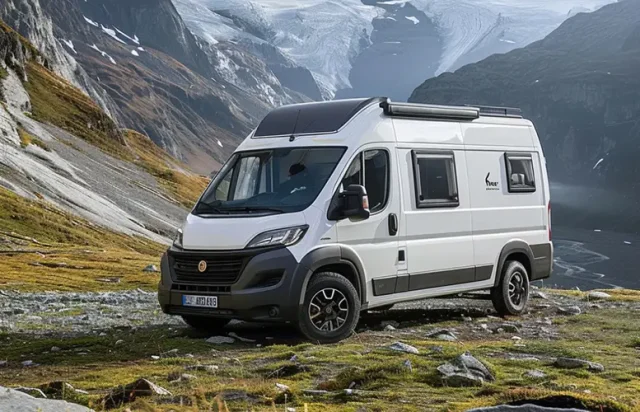
Practicality matters in any camper van build, especially if you plan to spend days or weeks living out on the road. Even the largest campers are still quite small compared to average-sized homes, and the limited storage fills up very quickly. So, when you neglect to make space for the right things, even minor inconveniences can become recurring frustrations.
The right camper van accessories help you use your limited space more efficiently, allowing you to easily adapt your setup to different situations. Whether you drive a Mercedes Sprinter, Ford Transit, or Ram ProMaster, these practical additions can make long-distance adventures easier to manage.
1. Overhead Storage Cabinets
If you’re new to van life, clothing, food, electronics, and personal items may take up much more space than you realize. Floorspace is extremely limited, even in larger vans, and you will want to keep some of that space free so you can easily move around. Overhead cabinets solve this dilemma by letting you make use of upper-wall space without sacrificing valuable floor area.
Not all overhead cabinets are equal, however. Look for secure latches and dimensions that suit your layout. If available, choose vehicle-specific products that fit more naturally around the contours of beds, windows, and other interior components so you can recover every spare inch for storage.
2. Roof Racks
A roof rack lets you store some bulky gear outside the living space, leaving more room inside for everyday essentials. Depending on your setup, a roof rack may carry weather-resistant cargo boxes, surfboards, kayaks, or other adventure equipment.
Different van roofs have their own challenges as far as layouts are concerned. Solar panels, fans, air-conditioning units, antennas, and awnings may compete for space, so check dimensions, mounting requirements, and the load capacity of the available areas carefully.
3. Insulated Window Covers
Window covers provide you with privacy at campsites, rest stops, and overnight parking areas. Insulated versions of these accessories can also help reduce heat transfer through the glass as you travel between warmer and cooler destinations.
Choose covers made for your specific van’s window dimensions to reduce gaps and simplify installation. They also take up some room, so it helps to have a convenient storage spot for them when they aren’t in use.
4. Small Interior Organizers
Small, frequently used items can easily disappear into deeper compartments, which is why caddies and other organizers can come in handy. Accessories like sun visor organizers, dash trays, seat organizers, and door pockets work well for sunglasses, charging cables, documents, flashlights, and other road-trip essentials. You can also find vehicle-specific options that make optimal use of spaces around factory interior components.
5. Exterior Storage Solutions
Tools, recovery gear, muddy footwear, and outdoor equipment don’t always belong inside your van’s living area, or even your roof rack. Exterior boxes and rear-door storage systems can free up cabin space while keeping these items accessible. Before committing, make sure to check mounting requirements and how the accessory affects the van’s overall dimensions.
6. Swivel Seat Bases
Swivel-based seating allows the driver or passenger seat to face the living area after you park, a small touch that gives you significantly more use of your living space. If you’re interested in this upgrade, make sure the hardware is compatible with your specific vehicle and seat configuration.
7. Ventilation Equipment
Cooking, sleeping, and spending extended time inside a compact van can generate heat, moisture, and stale air. A roof fan or similar ventilation system helps maintain airflow while you’re parked, keeping your van more habitable. Plan its position in relation to your kitchenette and other rooftop additions for maximum functionality.
8. Bug Screens
Opening the sliding or rear doors is an easy way to improve airflow, but it can also invite insects inside. A fitted screen keeps the bugs out while allowing fresh air into the living space. Choose a screen designed for your van’s door opening and prioritize easy access, especially if you’re planning an extended trip.
9. Awnings
An awning expands the usable space around your camper van without taking up permanent room inside. It can provide welcome shade for meals, rest stops, or downtime at a campsite. If you’re considering an awning, make sure the mounting points, vehicle height, and deployment clearance all factor into your choice.
10. Auxiliary Power and Charging Equipment
Reliable electricity is now undoubtedly essential on camper vans, particularly on extended trips. An auxiliary power setup can help keep your phones, laptops, appliances, and other devices running when shore power isn’t available.
Before you invest in your electrical system, estimate your likely energy needs. This will help you figure out how many batteries, solar panels, chargers, inverters, and outlets you should purchase. Once you have an idea of your ideal capacity, ensure that your power components can work together as a system and fit within the available space.
Make Every Addition Earn Its Space
Your van’s space is too valuable for accessories that you barely use. Simple upgrades that solve everyday inconveniences are often the most useful and should be prioritized before you get into the more elaborate accessories. Practical, compatible upgrades can help your van stay functional and comfortable through the countless miles ahead.