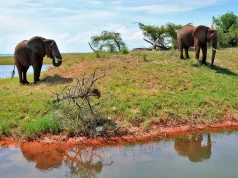

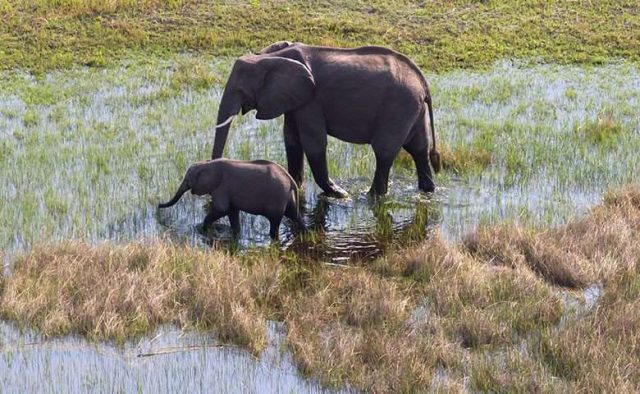
Botswana is famous for its dry-season safaris, when wildlife gathers around permanent waterways and thinning vegetation makes animals easier to spot. Yet the country undergoes an equally remarkable transformation when the summer rains arrive.
Generally extending from November through March or April, Botswana’s green season brings fresh grass, dramatic clouds, migratory birds and newborn wildlife. Afternoon showers replace the dusty winter landscapes with brilliant shades of green, revealing a side of the country that many safari travelers never see.
Wildlife viewing can be less predictable than during the dry season, and some roads or activities may be affected by rain. However, travelers prepared for changing conditions can experience exceptional photography, active predators and some of Botswana’s most beautiful landscapes.
Here are five compelling reasons to plan a green-season safari in Botswana.
1. The Landscape Comes Alive
After months of dry weather, the first rains transform Botswana’s grasslands, woodlands and desert pans. Fresh vegetation appears across the landscape, seasonal waterholes refill and wildflowers emerge in places that seemed almost barren only weeks earlier.
The change is especially dramatic in the Central Kalahari Game Reserve. The reserve’s northern valleys and pans begin producing nutritious grasses that attract springbok, gemsbok, wildebeest and other herbivores. Deception Valley is one of the best-known areas for watching this seasonal gathering.
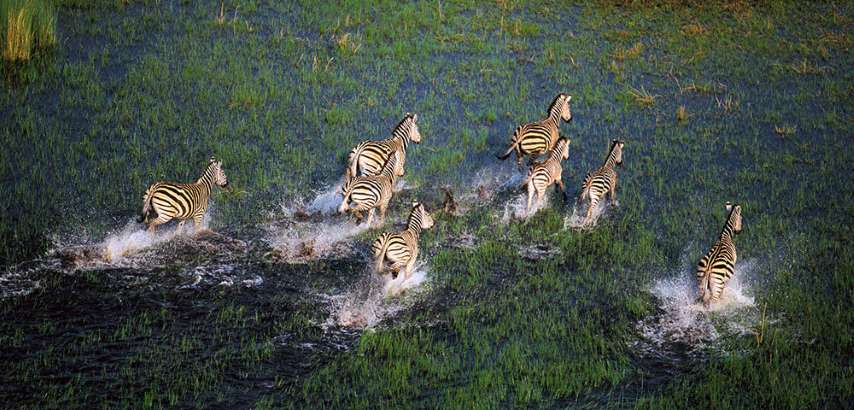
The Makgadikgadi Pans also change significantly. Depending on rainfall, sections of the salt pans may hold shallow water, while the surrounding grasslands become important feeding grounds for migrating zebras and wildebeest.
Travelers should remember that Botswana’s rainfall varies from year to year. The precise timing and intensity of the transformation cannot be guaranteed, but that unpredictability is part of experiencing a natural ecosystem.
2. Newborn Animals Attract Active Predators
Fresh grass provides food and cover for grazing animals, making green season an important time for births among several species. Young impalas, wildebeest and other antelope can be seen taking their first uncertain steps while remaining close to their mothers.
This abundance of vulnerable young animals can lead to heightened predator activity. Lions, leopards, cheetahs, spotted hyenas and African wild dogs may take advantage of the seasonal increase in potential prey.
The Central Kalahari is particularly rewarding after the rains. Herbivores gather around its rejuvenated grasslands, attracting predators that follow their movements. Botswana’s celebrated black-maned Kalahari lions are among the animals visitors may hope to encounter.
Sightings are never guaranteed, and vegetation can be thicker than it is during the dry season. A skilled guide becomes especially valuable, using tracks, alarm calls and knowledge of animal behavior to locate wildlife that may be concealed by tall grass.
3. Birdwatching Reaches Its Seasonal Peak
Botswana is an outstanding birding destination throughout the year, but the green season brings additional energy and color. Migratory species arrive from other parts of Africa and beyond, joining the country’s resident birdlife.
Cuckoos, swallows, bee-eaters, kingfishers, kites and other seasonal visitors may be observed alongside storks, herons, eagles and vultures. Many species are in breeding plumage, while courtship displays, nesting behavior and newly fledged birds provide added interest.
The Okavango Delta is recognized for its exceptional diversity of habitats, which include permanent waterways, seasonal lagoons, floodplains, grasslands and woodland. UNESCO identifies more than 480 bird species within the World Heritage site, including globally threatened species such as the wattled crane and slaty egret.
The Makgadikgadi Pans can also attract large numbers of waterbirds when rainfall creates suitable conditions. Flamingos may gather on the pans during particularly favorable seasons, although their numbers and locations depend on water levels and should never be treated as guaranteed.
Readers considering this part of the country can learn more in DRIFT Travel’s guide to an Okavango Delta safari.
4. Dramatic Skies Create Exceptional Photography
Green-season photography has a very different character from the muted golds and browns of Botswana’s dry winter months. Fresh vegetation creates saturated backgrounds, while towering clouds and rapidly shifting light add drama to the landscape.
Morning mist, distant rain curtains and late-afternoon thunderstorms can provide striking conditions for both wildlife and landscape photography. Wet roads and shallow pools may create reflections, while dust-free air often produces crisp colors.
Newborn animals, migratory birds and predator activity provide plenty of photographic subjects. The green surroundings can also make wildlife portraits feel more vivid and less familiar than traditional dry-season safari images.
Rain does introduce practical challenges. Cameras should be protected with weather-resistant covers or waterproof bags, and extra lens cloths are useful in humid conditions. Travelers should bring sufficient batteries and storage, particularly when staying at remote camps where charging facilities may be limited.
5. There Are Fewer Visitors
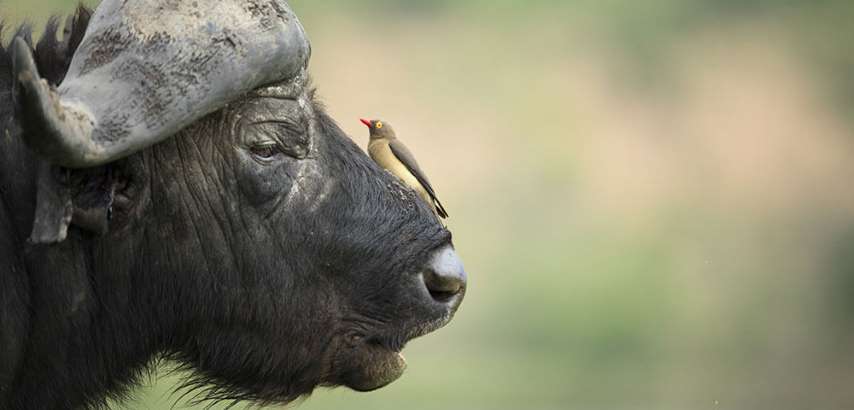
Botswana has long followed a tourism model that emphasizes lower visitor numbers and higher-value safari experiences, particularly in remote concessions. Even so, the green season can feel noticeably quieter than the most popular dry-season months.
Fewer vehicles may be present at wildlife sightings, creating a calmer experience and allowing guests more time to observe animal behavior. Camps can also have greater availability, making it easier to secure accommodations that are difficult to book during peak season.
Some lodges introduce seasonal offers, although savings vary considerably by property, location and travel dates. Rather than presenting green season simply as a less expensive alternative, it is better understood as a distinct safari experience with its own wildlife, landscapes and atmosphere.
Travelers should verify exactly what is included before reserving. Road transfers, charter flights, park fees, drinks, laundry and specialized activities may be handled differently by each property.
Where to Experience Botswana’s Green Season
Different regions provide different green-season experiences, so the itinerary should reflect a traveler’s priorities.
Central Kalahari Game Reserve
The Central Kalahari is one of Botswana’s strongest green-season destinations. Rain revives the valleys and pans, drawing grazing animals and the predators that follow them. It is particularly appealing to travelers interested in open landscapes, animal behavior and photography.
Makgadikgadi and Nxai Pans
Seasonal rains can transform these salt-pan environments into green grazing areas. Zebra and wildebeest movements are among the principal attractions, while waterbirds may appear where sufficient water collects.
Conditions can change quickly, and access to particular areas depends on rainfall and road quality.
Okavango Delta and Moremi Game Reserve
The Okavango remains a rewarding wildlife destination during the green season, but visitors should understand its unusual hydrology. The Delta’s main floodwater travels south from Angola and generally reaches its greatest extent during Botswana’s dry season—not during the local summer rains.
Green-season showers still refresh the vegetation and fill local depressions, but water-based activities may not be available in every area. Camp selection is important for travelers who consider mokoro excursions or boating essential.
Chobe National Park
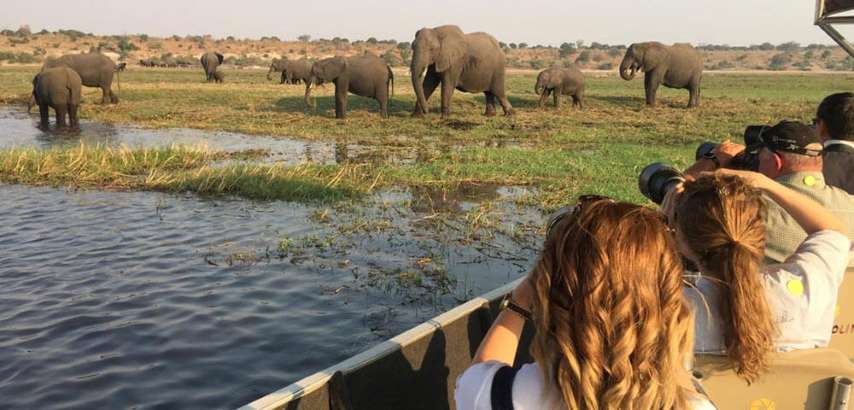
Chobe is best known for the wildlife congregating around its river during the dry season. During the rains, some animals disperse into surrounding areas where fresh vegetation and temporary water become available.
Wildlife viewing remains possible, but it has a different rhythm. The greener scenery, abundant birdlife and fewer visitors can compensate for animals being more widely distributed.
For a broader look at the country’s safari possibilities, see DRIFT Travel’s feature on safari adventures in Botswana, Kenya and Zimbabwe.
What to Expect During Botswana’s Green Season
Green season does not mean continuous rain. Showers are often concentrated in the afternoon or evening and may be followed by sunshine. Nevertheless, storms can be heavy, temperatures can be hot and humid, and unpaved roads may become muddy.
Travelers should pack lightweight, breathable clothing, a waterproof outer layer, insect repellent, sun protection and closed footwear. Neutral colors remain useful for safari activities, while a warm layer may be needed for early-morning drives.
Some camps close temporarily, and particular roads or activities may become unavailable. Travelers should confirm seasonal operating schedules and choose an experienced Botswana safari specialist or established lodge group with current local knowledge.
Medical advice should be sought well before departure, including guidance about malaria prevention and other recommended health precautions.
A Different Way to Experience Botswana
Botswana’s green season is not simply an alternative for travelers hoping to avoid peak-season crowds. It is a distinctive wildlife experience defined by renewal, dramatic weather, breeding birds and the arrival of young animals.
Travelers who value predictable concentrations of wildlife may still prefer the dry season. Those drawn to rich landscapes, active ecosystems and a quieter safari atmosphere, however, may find that Botswana is at its most captivating after the rains begin.