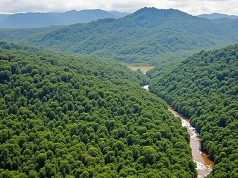
Machu Picchu may be Peru’s most recognizable landmark, but the country’s appeal extends far beyond its celebrated Inca citadel. Across the coast, Andes and Amazon, travelers can discover ancient cities, community-led conservation projects, remarkable mountain landscapes and wildlife sanctuaries that reveal a different side of Peru.
From the monumental adobe walls of Chan Chan to the cloud-level fortress of Kuélap, these lesser-known attractions offer compelling reasons to venture beyond Peru’s traditional tourist trail.
Explore the Ancient Adobe City of Chan Chan
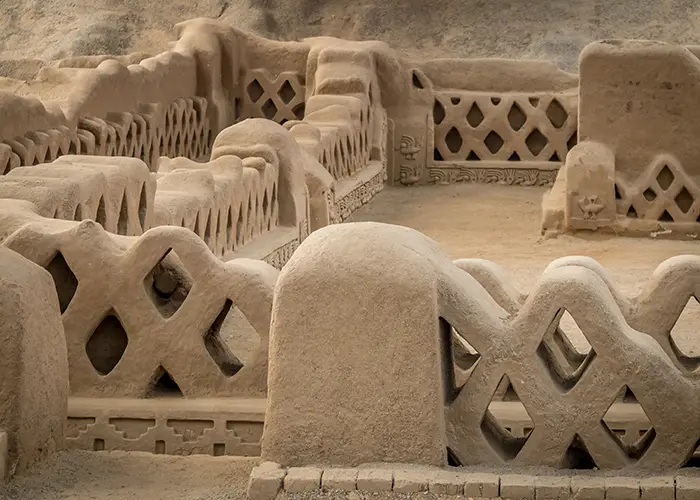
Located near Trujillo on Peru’s northwestern coast, Chan Chan was once the capital of the powerful Chimú kingdom. The archaeological site is considered the largest earthen city in pre-Columbian America and provides an extraordinary example of sophisticated urban planning.
Chan Chan was divided into nine large rectangular complexes, often described as citadels or palaces. Within their imposing adobe walls, visitors can explore ceremonial plazas, passageways, storerooms, reservoirs and funeral platforms. Decorative friezes depicting fish, birds and geometric patterns offer glimpses into the culture and beliefs of the Chimú people.
Designated a UNESCO World Heritage Site in 1986, Chan Chan remains vulnerable to erosion and extreme weather, making its continuing conservation especially important. The site can be visited as a day trip from Trujillo, allowing travelers to combine archaeology with the region’s beaches and culinary traditions. UNESCO World Heritage Centre
Meet Peru’s Camelids at Awanacancha
Set in the hills near Pisac, Awanacancha introduces visitors to the camelids that have played an essential role in Andean life for centuries.
The center is home to alpacas, llamas, vicuñas and guanacos, giving travelers an opportunity to learn how the different species are identified and how their fibers are traditionally used. Demonstrations explain the process of shearing, spinning, naturally dyeing and weaving the fibers into colorful textiles.
Local artisans also sell handcrafted products at the site. For travelers making their way between Cusco and the Sacred Valley, Awanacancha provides an accessible introduction to Andean textile traditions and the communities preserving them.
Discover Andean Biodiversity at Potato Park
Near Pisac, Parque de la Papa—known in English as Potato Park—is an innovative conservation area managed by Indigenous Quechua communities.
Peru is home to thousands of native potato varieties, many distinguished by unusual shapes, vibrant colors and their ability to grow in challenging high-altitude conditions. Potato Park was created to protect this agricultural biodiversity while maintaining the traditional knowledge associated with cultivating Andean crops.
A community-led visit can include walks through agricultural landscapes, explanations of traditional farming practices and introductions to local food and culture. More than a culinary attraction, the park demonstrates how Indigenous knowledge can contribute to biodiversity conservation and climate resilience.
Hike Through the Colors of Pallay Punchu
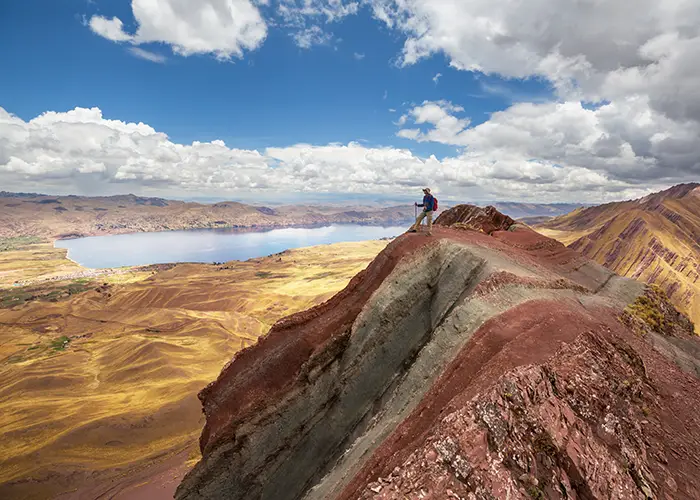
Rising more than 4,700 meters above sea level in the Cusco region, Pallay Punchu is one of Peru’s most striking high-altitude landscapes.
Its sharply defined ridges display bands of red, ochre, green and gray, forming geometric patterns that have been compared to traditional Andean textiles. The mountain became widely known to travelers in 2020 and has since emerged as a quieter alternative to the heavily visited Vinicunca, commonly called Rainbow Mountain.
Reaching Pallay Punchu requires a demanding hike at considerable elevation. Travelers should allow time to acclimatize, arrive properly equipped and consider visiting with an experienced local guide. Those who make the journey are rewarded with dramatic views across the surrounding peaks and valleys.
Encounter Amazon Wildlife on Monkey Island
Approximately 30 kilometers from Iquitos, Monkey Island offers an introduction to the extraordinary wildlife of the Peruvian Amazon.
Reached by boat, the forested reserve provides care for monkeys that have been injured, orphaned or rescued from illegal wildlife trafficking. Several different species may be seen at the sanctuary, depending on which animals are undergoing rehabilitation at the time of a visit.
The journey is also part of the experience. Traveling along the Amazon River gives visitors a sense of the region’s immense scale and biodiversity. To support responsible wildlife tourism, travelers should follow sanctuary guidance, avoid independently feeding or handling animals and choose operators that prioritize rehabilitation and animal welfare.
Travel by Cable Car to Kuélap Fortress
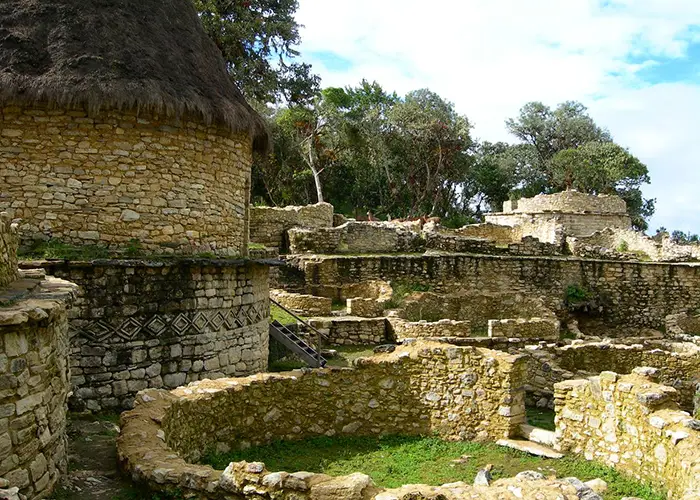
High in the mountains of northern Peru, Kuélap is one of the country’s most impressive archaeological destinations. The vast stone complex was constructed by the Chachapoya culture centuries before the arrival of the Spanish.
Surrounded by monumental defensive walls, the site contains the remains of circular buildings, ceremonial spaces and intricately decorated stonework. Its elevated position also provides sweeping views across the cloud-covered mountains of the Amazonas region.
The cable car departing from Nuevo Tingo has made the archaeological complex more accessible, transforming what was once a lengthy journey into a scenic ride toward the mountaintop site. Because archaeological conservation and maintenance can affect access, visitors should confirm current opening conditions before traveling.
A Different Side of Peru
Peru’s best-known destinations deserve their reputation, but they represent only part of the country’s story. Exploring places such as Chan Chan, Potato Park, Pallay Punchu and Kuélap allows travelers to experience a wider range of landscapes, cultures and historical periods.
These less-visited attractions can also encourage longer stays and help distribute the benefits of tourism among communities beyond the country’s most established destinations. For travelers prepared to look past the traditional bucket list, Peru offers discoveries in every direction.