

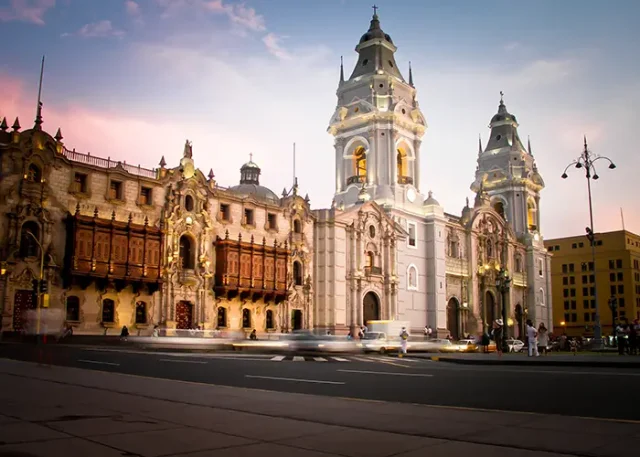
In 1956, Peru was a very different destination for international travelers. Machu Picchu was difficult to reach, organized tours were limited, and visitor infrastructure remained largely undeveloped beyond the country’s major cities. Yet, in a small office in Lima’s historic center, two people began building a company that would help introduce generations of travelers to the remarkable landscapes, ancient civilizations, and cultural traditions of Peru.
Seventy years later, LIMATOURS is celebrating a milestone that reflects not only its own history but also the extraordinary evolution of tourism in one of South America’s most fascinating countries.
Founded in 1956, LIMATOURS has grown from a two-person operation into one of Peru’s most established destination management companies, serving international travel partners across Europe, Asia Pacific, North America, and Latin America.
As the company celebrates its 70th anniversary in 2026, it is looking toward the future with new technology, sustainable tourism initiatives, and a continued commitment to showcasing Peru’s cultural and natural heritage.
Seven Decades of Opening Peru to International Travelers
When LIMATOURS began operations from its modest office on Jirón Camaná in downtown Lima, introducing international visitors to Peru required considerable creativity and determination.
Traveling between destinations was often complicated, tourism infrastructure was limited, and many of the archaeological and natural wonders that attract visitors today had yet to become established stops on international itineraries.
Over the following decades, LIMATOURS helped develop travel experiences that would eventually become familiar to visitors exploring the country.
Among its early initiatives were programs introducing travelers to Lake Titicaca, where hydrofoil boats helped make the high-altitude region more accessible.
In 1977, the company organized a pioneering bus tour to Nazca, combining an aerial flight over the mysterious Nazca Lines with a meeting with German-born researcher Maria Reiche, whose work was instrumental in studying and protecting the ancient geoglyphs.
The itinerary also included visits to the Ballestas Islands and Paracas, bringing together archaeological discovery, coastal landscapes, and wildlife experiences.
In 1993, LIMATOURS arranged visits connected to the remarkable archaeological discoveries at Sipán in northern Peru, accompanied by archaeologist Walter Alva, whose research had helped reveal the extraordinary treasures of the ancient Moche civilization.
The company also supported archaeological research at Caral, one of the oldest known urban centers in the Americas, providing office space to researchers analyzing excavation materials in 2002.
These initiatives helped broaden Peru’s tourism offerings beyond its most recognizable landmarks and introduced international travelers to regions that were less frequently included in traditional itineraries.
From Machu Picchu to the Hidden Treasures of Peru
Today, Peru is celebrated for its extraordinary diversity.
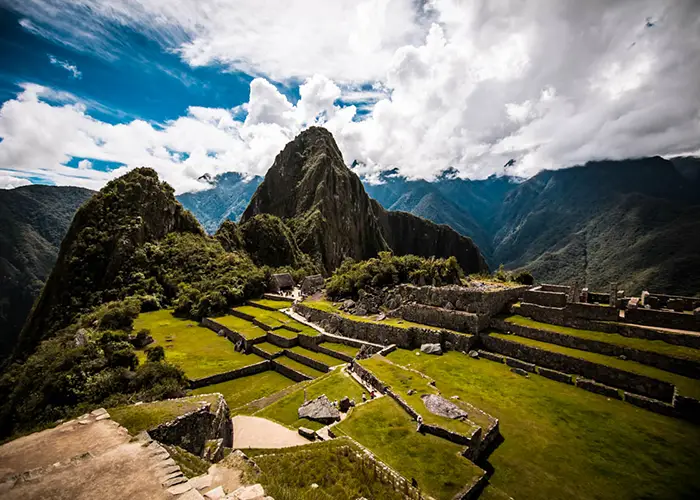
The ancient Inca citadel of Machu Picchu remains one of South America’s most iconic attractions, while the Sacred Valley, Cusco, Lake Titicaca, and the Nazca Lines continue to draw travelers from around the world.
Beyond these landmarks, destinations such as Arequipa, the Colca Canyon, the northern archaeological sites, and the Amazon rainforest reveal the remarkable range of experiences available within the country.
Developing reliable tourism services across such varied landscapes requires local knowledge, strong relationships, and careful logistical planning.
Over its seven decades of operation, LIMATOURS has helped establish the infrastructure and partnerships necessary to connect these destinations into coordinated travel programs.
The company was among the pioneers of automated reservation systems in Peru’s tourism industry and introduced shared tour services in Lima, an approach that continues to be used today.
It also established its own transportation fleet, allowing greater control over the movement of travelers between destinations.
For visitors interested in experiencing Peru’s best-known archaeological treasure, DRIFT’s feature on exploring Peru’s Andes through a four-day Inca Trail journey offers an introduction to the history, landscapes, and cultural encounters that make the route to Machu Picchu so memorable.
Connecting Peru with Travelers Around the World
As international tourism expanded, LIMATOURS developed relationships with travel agencies and tour operators across multiple continents.
Today, its clients come from Europe, Asia Pacific, the United States, Canada, and Latin America.
This geographic diversity has become increasingly important as international travel patterns have changed.
Following the disruption caused by the global pandemic, the company focused on rebuilding established markets while strengthening relationships with emerging sources of international visitors.
China, India, and other Asian markets have become important areas of development, complementing traditional demand from North America, Europe, and Latin America.
The company also recognizes that visitors from different regions often approach travel differently.
Long-haul travelers may prefer carefully planned itineraries covering multiple destinations over several weeks, while visitors from neighboring Latin American countries may book shorter trips with greater flexibility.
Accommodating these different preferences has helped LIMATOURS develop a broad portfolio of private journeys, group tours, incentive travel, and scheduled programs throughout Peru.

Local Expertise Across Peru’s Major Destinations
One of the company’s longstanding strengths is its presence on the ground.
LIMATOURS maintains its own operations in Lima, Arequipa, and Puno, alongside three strategic locations in the Cusco region: Cusco city, Ollantaytambo, and Machu Picchu Pueblo.
This network allows the company to coordinate travel arrangements in some of Peru’s most important tourism destinations while maintaining relationships with local guides, accommodation providers, transportation companies, and community partners.
For international travelers, dependable local support can be particularly valuable when navigating Peru’s varied geography, altitude, transportation connections, and archaeological sites.
As interest grows in discovering more of the country, travelers are also looking beyond the traditional Lima–Cusco–Machu Picchu route.
Our guide to what’s new in Peru, including emerging travel experiences and destinations explores some of the opportunities for visitors interested in experiencing the country’s landscapes, culture, and communities in new ways.
How Technology Is Changing Travel Planning in Peru
While LIMATOURS traces its origins to an era of handwritten reservations and manually coordinated itineraries, its latest developments reflect the increasingly digital nature of international travel.
The company has introduced Aurora, its proprietary online booking and quotation platform, designed to simplify the process of planning and confirming travel arrangements.
Available around the clock, the platform allows travel professionals to build itineraries, request services, and receive booking confirmations more efficiently.
Aurora now incorporates artificial intelligence to help respond to requests with greater speed and accuracy.
For a company that began operations long before computers became a standard part of the travel industry, the transition illustrates how dramatically tourism operations have evolved over seven decades.
However, LIMATOURS maintains that technology is intended to support its employees rather than replace the destination knowledge and personal relationships that remain central to its business.
The goal is to make routine processes more efficient while allowing travel specialists to focus on developing meaningful experiences for visitors.
Supporting Andean Communities Through Responsible Tourism
Beyond its commercial operations, LIMATOURS has increasingly emphasized the importance of ensuring that tourism creates lasting benefits for the communities that welcome visitors.
Through the LIMATOURS Foundation, the company supports community-based tourism initiatives in the Andes, particularly in the Ollantaytambo region of the Sacred Valley.
One of its most significant projects is based in Huilloc, a traditional Quechua-speaking community known for its distinctive cultural heritage and textile traditions.
Working alongside local residents, the foundation has helped develop opportunities for families to participate directly in tourism through cultural encounters, hospitality services, and traditional craftsmanship.
More than 25 families participate in a community-based tourism association, providing opportunities for visitors to experience local traditions while supporting household incomes.
Between 2015 and 2025, the initiative welcomed 5,342 visitors.
The foundation has also supported training for 336 women in areas including gastronomy, hospitality, leadership, and traditional textile production.
The work demonstrates how tourism can create economic opportunities while helping communities preserve cultural traditions and strengthen local participation in the visitor economy.
These efforts received international recognition in 2026 when LIMATOURS earned Gold in the Diversity, Equity & Inclusion category at the ICRT–LATA Responsible Tourism Awards.
The distinction acknowledged its collaborative approach to community development and the opportunities created for residents of Huilloc.
The company also received the Qori Q’ente 2025 award for quality, sustainability, and tourism innovation.
Looking Ahead to the Next Generation of Peru Travel
For LIMATOURS, reaching its 70th anniversary represents both a moment to reflect on its history and an opportunity to consider how tourism will evolve in the decades ahead.
The company’s approach is built around six central pillars: people, financial strength, product development, competitive positioning, technology, and sustainability.
José Pedraza, the company’s chief executive, describes its philosophy as delivering travel experiences with genuine substance and value.
“The best of LIMATOURS will always be in its future,” Pedraza said.
That outlook reflects broader changes taking place throughout the travel industry.
Travelers are increasingly interested in meaningful cultural encounters, responsible tourism, personalized itineraries, and opportunities to explore destinations beyond their most famous attractions.
For Peru, a country with an extraordinary combination of ancient civilizations, living cultural traditions, diverse ecosystems, and regional cuisines, these trends offer considerable opportunities.
Seventy Years of Discovering Peru
From its beginnings in a small Lima office to an international operation connecting travelers with destinations across Peru, LIMATOURS has witnessed—and helped shape—seven decades of tourism development.
The journeys that once required considerable pioneering effort have become some of South America’s most memorable travel experiences.
Yet Peru continues to offer opportunities for discovery, whether through the archaeological wonders of the coast, the extraordinary landscapes of the Andes, the biodiversity of the Amazon, or encounters with communities whose traditions remain central to the country’s identity.
As LIMATOURS enters its eighth decade, its anniversary serves as a reminder that the most meaningful travel experiences are often built on generations of local knowledge, cultural connections, and a willingness to explore beyond the familiar.
For more information: Visit LIMATOURS.