
Bonaire has never tried to be the Caribbean’s busiest or flashiest island. That is precisely its appeal.
Set in the southern Caribbean, the Dutch island is known for clear water, protected coral reefs, steady trade winds and an arid landscape filled with cacti, salt ponds and flamingos. Large-scale attractions take a back seat to shore diving, snorkeling, windsurfing, kayaking and unhurried evenings beside the sea.
Although Bonaire remains one of the Caribbean’s premier diving destinations, travelers do not need a scuba certification to appreciate it. The island also rewards food lovers, birdwatchers, independent explorers and anyone looking for a quieter alternative to a conventional resort vacation.
Explore Bonaire’s Underwater World
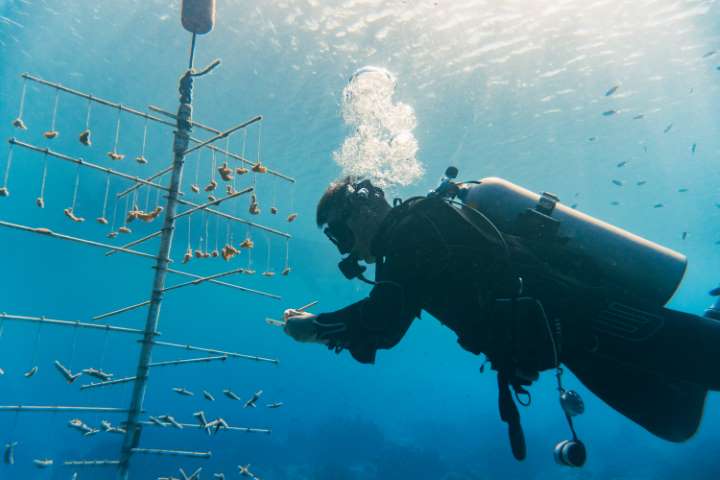
Bonaire’s reputation as “Diver’s Paradise” is well earned. The Bonaire National Marine Park surrounds Bonaire and neighboring Klein Bonaire, protecting coral reefs, seagrass beds and mangrove habitats from the high-water mark to a depth of 60 meters.
Many dive sites can be reached directly from shore. Yellow-painted stones along the coast identify entry points, allowing experienced divers to load tanks into a rental vehicle and create their own itinerary. Boat dives remain worthwhile for reaching Klein Bonaire and sites that are less convenient from land.
Snorkelers can enjoy many of the same areas. Popular choices include 1000 Steps, Andrea I and II, Bari Reef and several sites along the island’s sheltered western coast. Conditions vary, and some entries cross uneven coral rubble, so water shoes or dive booties can be useful.
Visitors should never touch, stand on or remove coral. A Bonaire Nature Fee is required for water activities and access to the island’s protected parks. Current requirements can be confirmed through STINAPA Bonaire before traveling.
Take a Boat to Klein Bonaire
Just offshore from Kralendijk, Klein Bonaire is a low, uninhabited island surrounded by remarkably clear water. Water taxis run from Bonaire, while local operators offer sailing, snorkeling and diving excursions.
Many visitors spend a few hours at No Name Beach, but the island has limited shade and no permanent visitor facilities. Bring drinking water, sun protection and everything else needed for the outing—and take it all back with you.
A guided drift-snorkeling excursion is an excellent option for travelers who want to see more of the reef without diving. Operators typically drop snorkelers up-current and collect them farther along the coast.
Windsurf at Lac Bay
On Bonaire’s southeastern coast, Lac Bay offers a very different aquatic experience. Its warm, shallow water and reliable trade winds have made the Sorobon area one of the Caribbean’s best-known windsurfing destinations.
Beginners can book a lesson and practice in water shallow enough to stand in, while experienced windsurfers have space to work on speed and technique. Equipment rentals and instruction are available beside the bay.
The lagoon is also environmentally important. Mangroves, seagrass beds and coral habitats support juvenile fish, birds, sea turtles and other marine life. Because it forms part of the marine park, visitors should follow marked routes and avoid walking through or damaging the seagrass.
Kiteboarders have their own gathering place at Atlantis Beach on the island’s southwest coast, where lessons are available for newcomers.
Kayak Through the Mangroves
A guided kayak trip through Lac Bay’s mangrove forest reveals one of Bonaire’s most fascinating ecosystems. Narrow channels weave between tangled roots that shelter young reef fish and help protect the coastline.
Tours generally combine paddling with an explanation of the relationship between mangroves, seagrass and the coral reef. Some excursions also include snorkeling in designated areas.
Going with a guide is important. Access is controlled to protect the habitat, and an experienced guide can navigate the permitted channels without disturbing sensitive areas.
Drive Through Washington Slagbaai National Park
The rugged northern end of Bonaire feels worlds away from Kralendijk. Washington Slagbaai National Park covers approximately 17 percent of the island and contains cactus-covered hills, salt flats, secluded coves and important wildlife habitat.
The park’s unpaved driving routes pass scenic overlooks, historic sites and remote beaches. Stops may include Boca Slagbaai, Wayaka and viewpoints across the island’s wild eastern coast.
A high-clearance vehicle is strongly recommended, and visitors should begin early. The longer driving route can take most of the day once swimming, snorkeling and photography stops are included. Carry plenty of water, snacks and sun protection, and check road conditions and entry times before leaving.
Hikers can also tackle marked trails, including the climb toward Brandaris, Bonaire’s highest point. Due to the heat, hiking is best attempted early in the morning.
Follow the Southern Scenic Route
Bonaire’s southern loop is one of the easiest self-guided drives on the island. The route passes vivid salt ponds, towering white salt pyramids, flamingo habitat, old stone slave huts and the red-and-white Willemstoren Lighthouse.
The tiny huts along the coast are reminders of a difficult chapter in Bonaire’s history. Enslaved laborers once stayed in these structures during the working week while harvesting salt under brutal conditions. Visiting respectfully adds important historical context to the otherwise striking landscape.
Flamingos may be visible around the salt pans and protected Pekelmeer sanctuary, although access to nesting areas is restricted. Bring binoculars or a telephoto lens and observe the birds from a distance.
Spend Time in Kralendijk
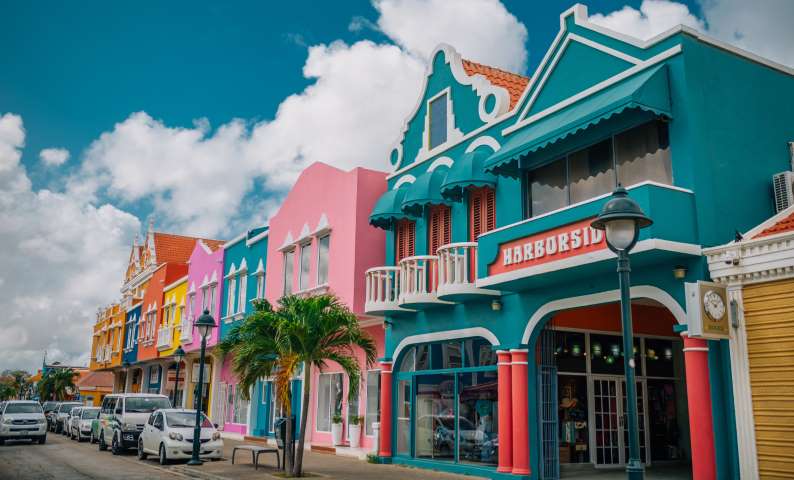
Bonaire’s colorful capital is compact and easy to explore on foot. Along Kaya Grandi and the waterfront, pastel buildings contain restaurants, cafés, galleries and independent shops.
Cruise-ship days bring additional activity, but the town becomes much quieter once ships depart. The waterfront is especially pleasant in the late afternoon, when fishing boats and sailboats cross the harbor and the setting sun illuminates Klein Bonaire.
The island’s dining scene is more varied than its size might suggest. Travelers will find Dutch-influenced cafés, Caribbean cooking, fresh seafood, international restaurants and casual food trucks. Lionfish sometimes appears on local menus; because it is an invasive species, eating responsibly harvested lionfish can help reduce pressure on the reef.
Reservations are advisable for sought-after restaurants, particularly during the busier winter season.
Discover Bonairean Culture in Rincon
A trip to Bonaire should extend beyond the coast. Set in a valley in the north, Rincon is one of the oldest communities in the Dutch Caribbean.
The village offers a closer look at Bonairean traditions, music and food. Nearby cultural sites such as Mangazina di Rei interpret the island’s rural history, while local restaurants serve dishes including goat stew, salted fish, funchi and soups prepared from regional ingredients.
Rincon becomes especially lively during cultural festivals, but it is worth visiting at any time. Combining the village with a drive through the northern countryside makes an appealing alternative to a full day at the beach.
Where to Stay in Bonaire
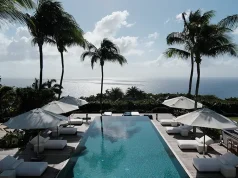
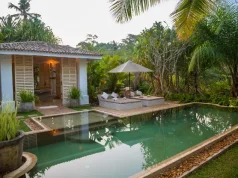
Bonaire’s accommodations range from intimate oceanfront hotels and dive resorts to apartments and private villas. The right choice largely depends on whether the priority is diving, beach time, self-catering or proximity to Kralendijk.
Delfins Beach Resort Bonaire
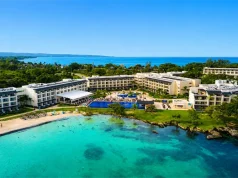
Now part of Hilton’s Tapestry Collection, Delfins Beach Resort Bonaire combines a palm-lined beach and expansive swimming pool with apartments and villas. On-site dining and diving facilities make it convenient for travelers who prefer a full-service resort.
Harbour Village Beach Club
Harbour Village Bonaire offers an upscale, low-key stay built around a private sandy beach, marina, waterfront dining and an on-site dive operation. Its suites, villas and beach homes work particularly well for couples and families wanting privacy without sacrificing resort services.
The Bellafonte
A smaller boutique option, The Bellafonte features oceanfront accommodations ranging from studios to one- and two-bedroom suites. Its private pier provides direct sea access, while in-room kitchens make it a good fit for longer stays and independent travelers.
Chogogo Dive & Beach Resort
Located north of Kralendijk, Chogogo Dive & Beach Resort Bonaire offers studios, apartments and villas along with beach access, swimming pools, a lazy river, restaurants and diving facilities. The range of room configurations makes it especially versatile for families and groups.
Divi Flamingo Beach Resort
Close to central Kralendijk, Divi Flamingo Beach Resort is a convenient base for travelers who want diving facilities and resort amenities within easy reach of town. Its waterfront location also provides access to the Calabas Reef dive site.
Practical Tips for Visiting Bonaire
Renting a vehicle is the easiest way to explore the island. Divers often choose a pickup truck for carrying tanks and gear, while travelers planning to visit Washington Slagbaai National Park should confirm that their rental vehicle is suitable for the park’s rough roads.
Bonaire uses the U.S. dollar, and English is widely spoken. Dutch and Papiamentu are also part of everyday island life.
Most visitors must pay a separate visitor entry tax before or upon arrival. This is different from the STINAPA Nature Fee required to use the marine park and visit protected natural areas. Check the official Bonaire tourism website for current entry requirements, taxes and travel information.
Because Bonaire’s landscape is dry and shade can be limited, carry more water than you think you will need. Sun protection is essential both on land and at sea.
A Different Kind of Caribbean Escape
Bonaire is not defined by long rows of all-inclusive resorts or a packed nightlife calendar. Its best experiences are quieter: drifting above a reef, watching flamingos cross a salt pond, paddling between mangrove roots or sharing dinner beside Kralendijk’s waterfront.
That combination of freedom, natural beauty and environmental responsibility gives the island its distinctive character. For travelers willing to trade crowds and scheduled entertainment for the open water and an independent sense of discovery, Bonaire remains one of the Caribbean’s most rewarding destinations.