Florida’s wild side extends far beyond its famous theme parks. From quietly watching manatees gather in spring-fed rivers to paddling past giraffes, searching for Key deer and joining a permitted sea turtle walk, the state offers wildlife experiences that can become highlights of an entire vacation.
Some encounters take place in the animals’ natural habitats, while others are offered by wildlife parks, rehabilitation facilities and conservation organizations. Programs can be seasonal, weather-dependent or limited in capacity, so travelers should confirm availability before arriving.
Here are some of the most memorable animal encounters in Florida.
Swim—or Paddle—with Manatees in Crystal River
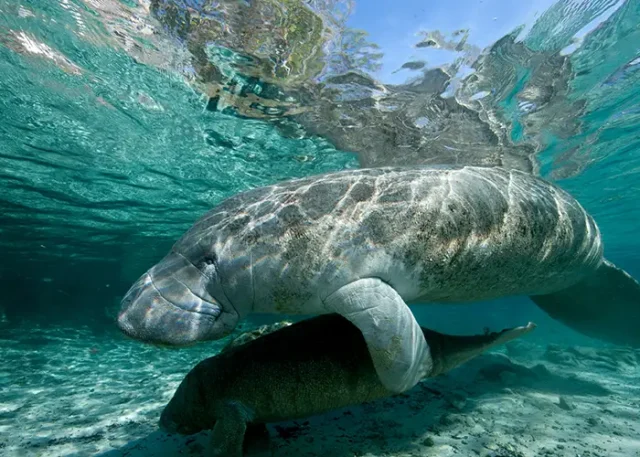
Crystal River is one of the few places in the United States where visitors can legally enter the water near wild manatees. Tours operate throughout the year, but the greatest concentrations generally arrive during cooler weather, when manatees seek the reliably warm water flowing from the area’s natural springs.
The most responsible excursions emphasize passive observation. Swimmers float calmly at the surface, avoid chasing or touching the animals and allow any interaction to be initiated by the manatee.
Licensed tour companies operate under permits issued by the Crystal River National Wildlife Refuge. Travelers who prefer to remain out of the water can explore Kings Bay by kayak or paddleboard.
At Three Sisters Springs, boardwalks provide an excellent land-based alternative. The refuge is especially impressive during manatee season, when cold weather can bring large numbers of animals into the clear spring water.
Before entering the water, read the U.S. Fish and Wildlife Service manatee-viewing rules. Chasing, feeding, riding, surrounding or disturbing resting manatees is prohibited.
See Rescued Florida Wildlife at Homosassa Springs
A short drive south of Crystal River, Ellie Schiller Homosassa Springs Wildlife State Park offers a closer look at animals native to Florida.
Its Wildlife Walk passes habitats occupied by manatees, black bears, bobcats, alligators, red wolves, Key deer, river otters and birds of prey. Many of the residents were injured, orphaned or otherwise unable to survive if returned to the wild.
The park’s spring and underwater observatory provide opportunities to see fish and manatees beneath the surface without swimming. Ranger presentations also help visitors understand the threats facing Florida wildlife and the work involved in rehabilitation and long-term animal care.
This is one of the most accessible options for families and for travelers who want to see native wildlife without participating in an in-water experience.
Join a Permitted Sea Turtle Walk
Florida’s beaches host one of the world’s most important sea turtle nesting populations. Loggerhead, green and leatherback turtles come ashore during nesting season, which generally extends from spring into fall.
The best way to witness this natural event is through an organized program operating under a state permit. Guides know how to approach nesting areas without using disruptive lights, blocking a turtle’s path or interfering with the nesting process.
In Juno Beach, Loggerhead Marinelife Center operates a sea turtle hospital and offers guided tours, educational programs and seasonal eco-experiences. Its nighttime turtle walks typically take place during the summer, while hatchling programs are offered later in the season. The center currently lists its next guided turtle walks for summer 2027.
In South Florida, the Broward County Sea Turtle Conservation Program maintains a useful directory of permitted nesting walks and hatchling-release programs in Fort Lauderdale, Dania Beach, Hollywood, Boca Raton and Miami-Dade County.
Wildlife sightings are never guaranteed. That unpredictability is part of observing animals in their natural environment.
Explore the Everglades by Airboat
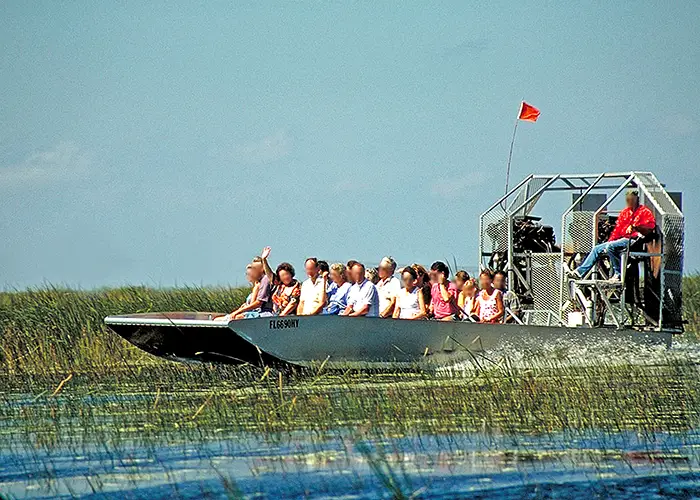
The Everglades provides habitat for alligators, turtles, wading birds and many other species. One of the most accessible entry points for visitors staying near Fort Lauderdale is Everglades Holiday Park.
Its airboat excursions travel through sawgrass wetlands where passengers may spot wild alligators, herons, egrets, turtles and other native animals. Because these are wildlife sightings rather than staged appearances, every trip is different.
Tours currently include an alligator presentation associated with Gator Boys Alligator Rescue. Travelers primarily interested in animals living freely in the Everglades should focus on the airboat portion and ask operators how their tours minimize disturbance to wildlife.
Early departures can offer cooler temperatures, softer light and better conditions for photography. Hearing protection is generally provided, but families should confirm what is available for young children.
For another DRIFT Travel perspective on the region, see these things to do in Fort Lauderdale.
Take a Safari Through the Florida Countryside
Set on approximately 260 acres outside Lakeland, Safari Wilderness offers an unexpected savanna-like experience between Tampa and Orlando.
Visitors can explore the property in a customized open-air vehicle, on a drive-through route or through select guided experiences. Depending on the tour and current animal population, sightings may include zebras, water buffalo, Watusi cattle, antelope, ostriches and lemurs.
The attraction’s former Young Explorers’ Safari, which appeared in the original version of this article, is no longer part of the principal tour lineup. Families can instead reserve one of the currently listed vehicle safaris and review age restrictions before booking.
Unlike a conventional walk-through zoo, the ranch places many of its hoofed animals in spacious herd settings. Reservations are required for most tours, and experiences may change according to weather and animal-care needs.
Kayak Past Giraffes and Rhinos at Brevard Zoo
At Brevard Zoo in Melbourne, visitors can view part of the animal collection from an unusual perspective: a kayak.
Guided paddles through the Expedition Africa area pass giraffes, rhinos and other animals along a calm waterway. The zoo also offers a separate self-guided paddle through its restored Florida wetlands, where participants can look for native birds and other wildlife.
Keeper-led experiences may include rhino, okapi and tortoise encounters, although schedules, age requirements and availability vary. Some experiences must be purchased on the day of the visit, while others can be reserved in advance.
The combination of kayaking, wildlife viewing and conservation education makes Brevard Zoo particularly well suited to active families.
Discover Marine Animals on the Emerald Coast
Gulfarium Marine Adventure Park remains open in Fort Walton Beach, although its encounter lineup has changed since the original article was published.
Current programs may include experiences involving dolphins, penguins, turtles, reptiles and other marine animals. The park has also opened Dolphin Oasis, a redesigned habitat with expanded viewing areas.
Age, height and mobility requirements differ between encounters, and some programs are seasonal. Admission to the park may also be separate from the cost of a reserved encounter, so visitors should read the conditions carefully before booking.
Travelers who would rather explore the local marine environment can take a snorkeling or SNUBA excursion with Destin Snorkel. The company is still operating and offers seasonal trips that may include snorkeling, dolphin watching, shelling and introductory SNUBA experiences. Marine wildlife sightings cannot be guaranteed.
Look for Key Deer on Big Pine Key
The endangered Key deer is the smallest subspecies of white-tailed deer in North America and lives only in the Lower Florida Keys.
The best place to begin is the National Key Deer Refuge Nature Center, where staff can explain current viewing conditions and recommend refuge areas to explore. Key deer roam freely through Big Pine Key and surrounding habitat, with early morning and late afternoon often providing the best viewing opportunities.
Drivers should observe reduced speed limits, particularly after dark. Feeding the deer is illegal and can encourage them to approach roads and vehicles, increasing the risk of injury.
Visitors can combine the refuge with a longer journey using these tips for planning a Florida Keys road trip.
Go Birding Around Pensacola
Pensacola’s combination of beaches, coastal marshes, pine forests and barrier islands attracts resident and migratory birds throughout the year.
The Panhandle section of the Great Florida Birding and Wildlife Trail includes numerous sites around Pensacola, including Fort Pickens, Big Lagoon State Park, Perdido Key and the Pensacola Beach Gulf Pier.
Fort Pickens and the surrounding Gulf Islands National Seashore support more than 300 recorded bird species. Depending on the season, visitors may see pelicans, terns, shorebirds, warblers, raptors and wintering seabirds.
The Francis M. Weston Audubon Society also organizes bird walks, field trips and private outings in Escambia and Santa Rosa counties. Checking its calendar before a trip can be more useful than relying on an old printable bird list.
How to Choose a Responsible Animal Encounter
A good wildlife experience should prioritize the animal rather than the photograph. Before booking, look for programs that provide conservation education, employ qualified animal-care professionals and establish clear rules for visitors.
Be cautious when an attraction:
- Guarantees contact with a wild animal
- Encourages visitors to hold wildlife purely for photographs
- Allows feeding that could change an animal’s natural behavior
- Offers no explanation of where its animals came from
- Uses animals in performances unrelated to natural behavior
- Provides little information about welfare, rescue or conservation work
For encounters involving wild manatees, sea turtles or other protected species, choose permitted operators and follow all federal and state viewing regulations.
Planning Your Florida Wildlife Experience
Wildlife does not follow a performance schedule. Manatee numbers depend on water temperature, nesting turtles may not appear during a scheduled walk, and an alligator can disappear beneath the water before a camera is ready.
That uncertainty is precisely what makes a respectful encounter memorable.
Reserve limited-capacity programs early, review age and mobility restrictions and check the attraction’s website shortly before traveling. Seasonal schedules, weather conditions and animal-care requirements can all affect availability.
With the right expectations, Florida’s springs, beaches, wetlands, wildlife refuges and conservation centers offer something far more meaningful than a quick animal selfie: the chance to understand the state through the remarkable creatures that live there.