
Egypt rewards travellers who give its history room to unfold. A day among the pyramids introduces the scale of ancient ambition; time in a museum brings the details into focus, from royal belongings to the objects of everyday life. Farther south, the temples and tombs of the Nile Valley add another chapter to the journey.
The Grand Egyptian Museum, inaugurated on November 1, 2025, gives visitors a compelling reason to spend more time around Cairo and Giza. Together with the National Museum of Egyptian Civilization and the capital’s historic neighbourhoods, it makes a cultural itinerary that can extend well beyond a quick stop at the pyramids.
The key is choosing a manageable route. Start with Cairo and Giza, then decide whether your interests and available time justify continuing to Luxor and Aswan.
Make time for the Grand Egyptian Museum
Located near the Giza Plateau, the Grand Egyptian Museum brings ancient Egyptian history into a contemporary museum setting. Its visitor offering includes the Main Galleries, Grand Hall, Grand Stairs and Tutankhamun Galleries, where objects associated with the young king’s life and burial are a major draw.
Give the museum its own place in your itinerary. Trying to fit an extensive museum visit between arrival at the airport and a full afternoon of sightseeing leaves little time to absorb what you have come to see. A guided visit can help connect individual objects with the wider story; independent visitors can choose a smaller selection of galleries and explore at their own pace.
Check the Grand Egyptian Museum’s official ticketing website for current admission options, opening times and inclusions before booking. Build the rest of that day around your museum visit rather than treating it as an optional extra.
Give the Pyramids of Giza a separate day
The pyramids and Great Sphinx remain central to many first visits to Egypt. Their proximity to the Grand Egyptian Museum makes it tempting to combine everything, but travellers with a serious interest in history may prefer two days: one for the archaeological site and another for the museum.
This is a suggested pace, not a requirement. If time is limited, arrange a shorter, carefully planned visit to each and agree the priorities with your guide in advance. Confirm which site admissions and optional experiences your booking includes.
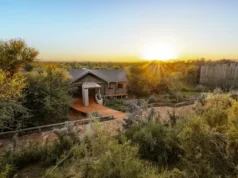
Consider the journey from your hotel as part of the day. Staying near Giza can suit a museum-and-pyramids focus, while a central Cairo base may be more practical for an itinerary with several city visits. Choose around the places you will actually spend time, rather than the view from a single photograph.
Understand the difference between Cairo’s museums
The Grand Egyptian Museum and the National Museum of Egyptian Civilization are separate institutions with different locations and curatorial approaches. Knowing that before booking helps avoid treating them as interchangeable stops.
At the National Museum of Egyptian Civilization in Fustat, the Main Gallery follows Egypt’s development through successive eras, including its ancient, Coptic, Islamic and modern history. The Royal Mummies Gallery is another important part of the visit.
The Egyptian Museum in Tahrir Square is a third, distinct museum. Check its own visitor information if you plan to include it, and be specific when discussing museum visits with a tour operator: “the Egyptian museum” is no longer a sufficiently clear itinerary description.
For a first visit, choose the institutions that best match your interests rather than attempting every museum in one day. Leave time between them for meals, travel and a change of pace.
Continue south to Luxor and Aswan
If Cairo’s museums spark an interest in seeing monuments in their original settings, continue to the Nile Valley. Luxor’s major archaeological attractions include Karnak, Luxor Temple and the Valley of the Kings. These deserve time on the ground, with a guide who can explain the buildings, inscriptions and royal histories.
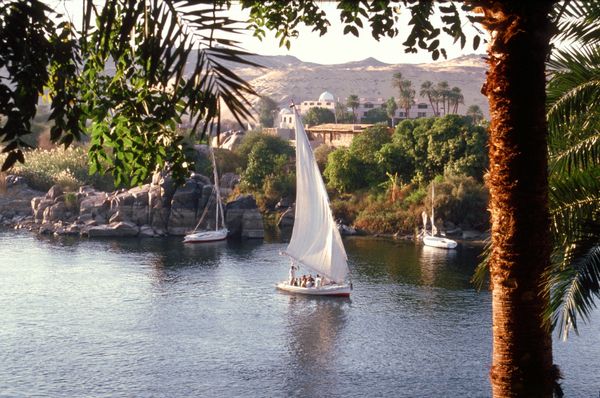
A cruise between Luxor and Aswan can connect sightseeing with time on the river. Depending on the itinerary, visits may include Edfu, Kom Ombo and Philae as well as sites around Luxor. Check the actual programme: the vessel, direction of travel and departure schedule all affect how a sailing fits into a wider trip.
Before booking, compare included excursions, admission charges, guiding arrangements, transfers and cabin location. Do not assume every cruise advertised with the same number of nights includes the same visits.
DRIFT’s guide to exploring ancient Egypt on a luxury Nile river cruise offers more ideas for choosing the experience that suits your travel style.
Choose the season around your sightseeing
For an itinerary centred on outdoor monuments, consider the cooler part of the year. Egypt’s official tourism website describes November to March as its moderate winter season and recommends October to May for Nile cruising.
Summer can be hot, particularly farther south. If those are your travel dates, allow for the conditions when planning outdoor visits and keep the schedule flexible. Comfortable walking shoes, sun protection and an extra layer for cooler evenings are useful additions to your packing list.
Build an itinerary with breathing room
For a shorter cultural break, consider four or five nights based around Cairo and Giza. Dedicate separate days to the pyramids and the Grand Egyptian Museum, then use your remaining time for another museum and city exploration.
For a longer first visit, around ten to twelve days gives you more room to combine Cairo with Luxor and Aswan. Match your travel dates to the cruise or land itinerary before committing to hotels and domestic transport. These are planning suggestions rather than fixed tour durations; arrival times, transfers and your preferred pace will shape the final route.
For a visual introduction to the destination, explore the “Eternal Egypt” photographic essay featured in DRIFT’s Fall 2025 issue.