Choosing a Caribbean resort can be surprisingly complicated. The region offers everything from intimate cliffside cottages and rainforest villas to sprawling beachfront properties with multiple pools, restaurants, and activities. Two resorts may look equally appealing online yet deliver entirely different vacations.
The secret is to look beyond star ratings and postcard-perfect photographs. These insider tips will help you compare Caribbean resorts more effectively, identify the experience that suits you, and avoid common booking mistakes.
1. Decide What Kind of Vacation You Actually Want
Before comparing resorts, decide what you want the trip to feel like.
Are you planning a quiet romantic escape, an active family vacation, a wellness retreat, or a week centered around snorkeling and diving? A secluded boutique hotel may be perfect for couples but frustrating for travelers who want nightlife, organized entertainment, and numerous dining choices.
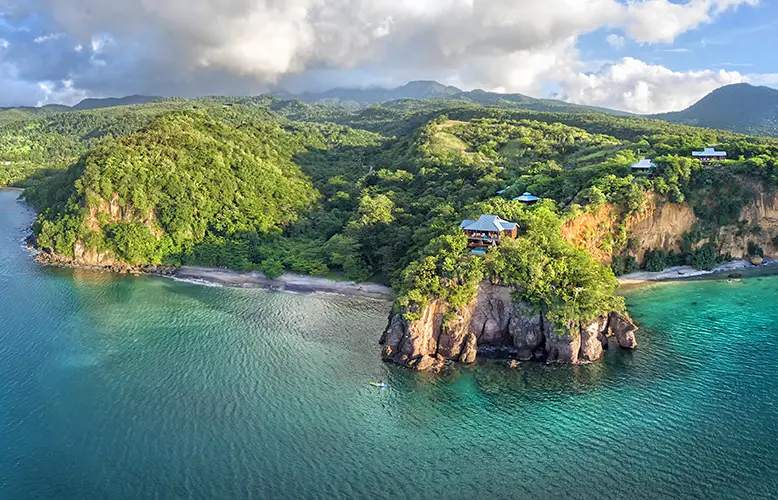
Properties such as Secret Bay in Dominica emphasize private villas, rainforest surroundings, and personalized service. By comparison, a larger Caribbean resort may offer children’s programs, multiple pools, nightly entertainment, and a broader selection of restaurants.
Insider tip: Write down the three experiences that matter most before searching for a resort. This makes it easier to recognize which amenities are essential and which are simply attractive extras.
2. Choose the Island Before the Hotel
A spectacular resort cannot compensate for choosing the wrong destination.
Each Caribbean island has its own character. Curaçao combines beaches with colorful architecture, restaurants, shopping, and cultural attractions in Willemstad. Dominica is particularly appealing to travelers interested in hiking, waterfalls, hot springs, and rainforest adventures. St. Lucia offers dramatic landscapes and views of the Pitons, while Jamaica brings together beaches, music, food, nightlife, and a wide variety of excursions.
Travelers who want to spend most of their vacation at the resort can focus on the property itself. Those hoping to explore should consider driving distances, transportation options, nearby communities, and the availability of guided tours.
For a broader introduction to the region, DRIFT’s Caribbean travel guide can help narrow down the possibilities.
3. Look Closely at the Location
“Beachfront” does not always mean that every room is steps from the sand. A resort may stretch across a hillside, occupy a rocky coastline, or have buildings separated from the beach by gardens, pathways, or steep staircases.
At Anse Chastanet in St. Lucia, accommodations are distributed between the beach and the hillside, while guests have access to Anse Chastanet and Anse Mamin beaches. The resort also includes nonmotorized water sports such as snorkeling, kayaking, paddleboarding, and sailing.
Meanwhile, Tensing Pen in Jamaica sits on Negril’s limestone cliffs rather than a conventional sandy beach. Its distinctive cottages and dramatic waterfront setting are part of the attraction, but travelers wanting a long beach directly outside their room may prefer another location.
Insider tip: Examine the resort map before selecting a room. Satellite imagery can also reveal distances, nearby development, road access, and the actual size of the beach.
4. Calculate the Complete Arrival Time
The flight is only one part of the journey. Some Caribbean resorts require a lengthy road transfer, a domestic flight, a ferry, or even a boat ride after guests arrive at the main airport.
Remote properties often reward the extra travel time with greater privacy and fewer crowds, but they may not be ideal for a short three-night vacation. Late flight arrivals can also require an overnight stay near the airport when ferries or regional connections have stopped operating.
Secret Bay, for example, is located on Dominica’s rainforest-covered northwest coast. The resort includes round-trip airport transfers with many stays, but travelers should still consider the full journey between Douglas-Charles Airport and the property when planning arrival and departure days.
Insider tip: Ask the resort for a realistic door-to-door transfer estimate, including waiting time, luggage collection, ferry schedules, and possible traffic.
5. Understand What “All-Inclusive” Really Includes
All-inclusive plans vary considerably. Some cover virtually every meal, drink, and nonmotorized activity, while others exclude premium restaurants, room service, spa treatments, excursions, airport transfers, or certain beverages.
Hermitage Bay in Antigua offers both all-inclusive and bed-and-breakfast arrangements. Its all-inclusive option covers meals, snacks, beverages, a replenished minibar, Wi-Fi, and selected water sports, but travelers should still review the current terms before booking.
Compare the total cost rather than the room rate alone. A resort that initially appears more expensive may offer better value if meals, drinks, transfers, and activities are included. Conversely, travelers who enjoy exploring local restaurants may not receive full value from an extensive meal plan.
Insider tip: Request a written list of inclusions and exclusions. Pay particular attention to service charges, government taxes, resort fees, airport transportation, and cancellation terms.

6. Research the Exact Room Category
The least expensive room may provide a very different experience from the accommodation shown in the resort’s promotional photographs.
At Jade Mountain in St. Lucia, every sanctuary has an open fourth wall facing the Pitons and Caribbean Sea, but not every category includes the same type of private pool. The resort also does not accept guests under 16, an important detail for families.
At Baoase Luxury Resort in Curaçao, choices range from rooms and suites to spacious private-pool villas. Travelers should compare privacy, outdoor space, pool access, number of bedrooms, and proximity to shared facilities before deciding.
Insider tip: Never rely solely on the room category name. Look for a floor plan, square footage, bed configuration, bathroom design, balcony type, and photographs of the specific category being booked.
7. Match the Resort to Your Mobility and Comfort Needs
Caribbean landscapes can be steep. Hillside resorts may have stairs, uneven pathways, open-air accommodations, and transportation between guestrooms and the beach.
These features can create wonderful views and a strong connection to the destination, but they may be challenging for guests with limited mobility. Families traveling with strollers should also investigate accessibility before reserving a hillside room.
Open-air accommodations require additional consideration. They can provide cooling breezes and uninterrupted scenery, but guests may encounter tropical sounds, insects, humidity, and less separation between indoor and outdoor spaces.
Insider tip: Contact the resort directly with specific mobility questions. Ask about steps, elevators, golf-cart transportation, accessible bathrooms, distance to restaurants, and the most convenient room categories.
8. Select a Resort That Supports Your Favorite Activities
Do not assume every Caribbean resort offers equally good access to swimming, snorkeling, diving, hiking, golf, or sailing.
A beautiful beach may have waves or currents that make swimming difficult. Another property may have calm water but limited marine life. Snorkelers should investigate whether there is a reef accessible from shore, while divers should look for an on-site dive center and reasonable travel times to dive sites.
Travelers interested in island exploration should also compare excursion choices. Dominica is well suited to rainforest adventures, while Curaçao is known for shore diving, colorful neighborhoods, and independent exploration. St. Lucia combines beaches with hiking, volcanic landscapes, and marine activities.
Insider tip: Ask which activities are available directly from the resort and which require transportation. This distinction can significantly affect both cost and convenience.
9. Consider Season, Weather, and Flexibility
The Caribbean is a year-round destination, but the experience changes with the season. The busiest period generally coincides with winter in North America, when demand and accommodation rates tend to be highest.
The official Atlantic hurricane season runs from June 1 through November 30, although storms can occur outside those dates. Travelers visiting during this period should purchase appropriate insurance and understand the resort’s cancellation and rebooking policies. NOAA provides current tropical weather and hurricane information.
Southern Caribbean islands can have different risk profiles. Curaçao, for example, is geographically outside the primary hurricane belt, although no destination can guarantee perfect weather.
Insider tip: Shoulder-season travel can bring better availability and fewer crowds, but flexible reservations and comprehensive travel insurance are especially important.
10. Leave Room to Experience the Destination
A good resort should enhance the destination rather than replace it entirely.
Even travelers staying at an all-inclusive property should consider spending time beyond the resort. Visit a market, book a locally operated food tour, explore a historic neighborhood, hire a guide, or have dinner at an independent restaurant. These experiences provide a better understanding of the island and help support local businesses.
Before leaving home, read DRIFT’s guide to preparing for a beach vacation for practical advice covering reservations, clothing, sun protection, and travel essentials.
Insider tip: Plan one or two off-property experiences in advance, but avoid filling every day. Some of the best Caribbean moments happen when there is nowhere you need to be.
The Best Caribbean Resort Is the One That Fits You
There is no single Caribbean resort that is right for every traveler. A cliffside retreat may be unforgettable for one couple and completely unsuitable for a family with young children. An expansive all-inclusive can make a multigenerational trip effortless but feel too busy for someone seeking solitude.
The best choice comes from matching the island, location, room, dining plan, activities, and travel logistics to the vacation you want. Do that carefully, and the result will be far more valuable than simply booking the resort with the highest rating.