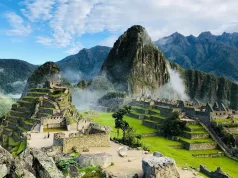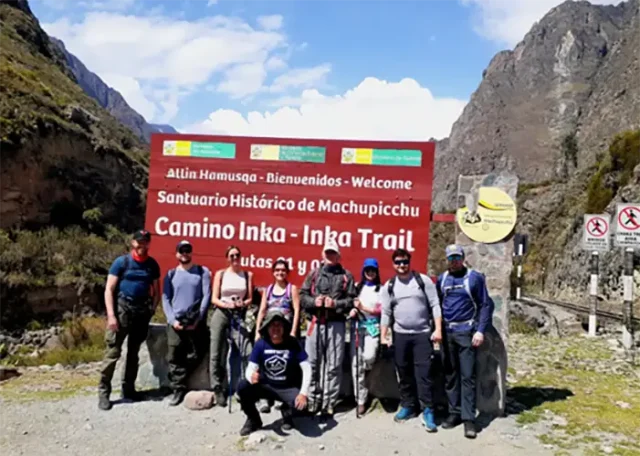
Walking the Inca Trail to Machu Picchu 4 Days is an experience that blends adventure, history, and breathtaking natural landscapes. This trail, built centuries ago by the Incas, connects ancient ceremonial centers and fortresses while crossing mountains, valleys, and cloud forests.
The route invites travelers to enjoy the natural environment and get closer to local culture. Small Andean villages and communities that preserve millenary traditions can be found along the way, offering authentic encounters with everyday life in the Andes. This combination of heritage, nature, and culture turns the hike into a comprehensive journey that goes far beyond conventional tourism.
A historical glimpse: understanding the Inca Empire’s road network and its cultural relevance
The Inca road network was designed to connect vast territories and facilitate the transport of goods, communication, and administrative control. Along the Inca Trail, you can still see original stone sections that remain remarkably well preserved.
This historical context adds depth to the trek, as every stone, bridge, or stairway reflects the advanced planning and strategic vision of the Inca civilization. Walking these paths allows you to imagine how the chasquis, the Inca messengers, carried information quickly across thousands of kilometers and how these constructions were adapted to challenging geography.
Understanding this ingenuity provides a renewed appreciation for cultural heritage and makes the trek not only physical, but also educational and enriching.
A diversity of landscapes: from cloud forests to the heights of the Andes
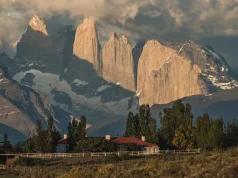
Throughout the four days, trekkers cross a variety of ecosystems, ranging from valleys covered in lush vegetation to peaks rising above 4,000 meters. The contrasts are striking and make it possible to observe flora and fauna species unique to the Andes. Among the natural highlights are polylepis forests, sightings of Andean condors, and the chance to see vicuñas in their natural habitat.
The transition from one landscape to another presents different physical challenges and moments for reflection on the relationship between nature and culture. This direct contact with the environment serves as a reminder of the fragility of Andean ecosystems and the need to protect them while enjoying the journey.
Day by day: a general overview to anticipate the adventure
The first day usually involves a gradual ascent and the entrance to the archaeological park, with views that prepare body and mind for the challenges ahead. During the second day, trekkers reach high points with stunning panoramic views, including mountain passes where endurance and acclimatization are essential.
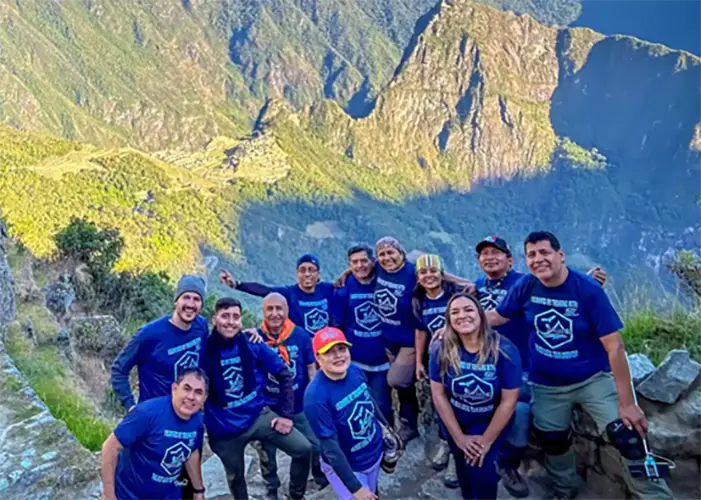
The third day allows for exploration of intermediate archaeological sites and strategic rest areas. Finally, the fourth day culminates at the Sun Gate, from where Machu Picchu is seen at sunrise. Each day combines hiking, cultural discovery, and moments of connection with nature, offering a balanced and memorable itinerary.
Andean communities and the essential role of porters
Along the Inca Trail, trekkers interact with local communities that still maintain ancestral agricultural and artisanal practices. Additionally, porters play a fundamental role in the logistics of the trek, carrying equipment and supplies while demonstrating extensive knowledge of the trails. Recognizing their effort and treating their work with respect is an essential part of responsible and ethical travel.
Their presence enhances the experience and offers valuable lessons on collaboration and resilience. Appreciating these contributions enriches interactions with the environment and promotes a type of tourism that benefits both visitors and local communities.
Key considerations for responsible trekking: permits, seasons, and environmental care
The trail requires limited permits and early planning. The dry season, from May to September, is the most suitable for minimizing climate-related risks. Preparing for altitude with training and gradual acclimatization reduces the chances of altitude sickness.
Respect for the environment includes avoiding littering, staying on designated paths, and protecting local flora and fauna. Each visitor can contribute to preserving this natural and cultural heritage, ensuring that future generations can also experience the magic of the Inca Trail.