

Traveller expectations are reshaping global tourism trends. Today, holidays are most meaningful when they combine unique experiences with immersion in local culture.
Türkiye offers culturally immersive experiences that bring visitors closer to local traditions, communities, and ways of life. One of the most authentic ways to engage with local life in Türkiye is by joining the seasonal harvests across the country — and the olive harvest, particularly in the Aegean region, stands out as the most distinctive activity from October to January. Supported by a Mediterranean climate and a deep-rooted olive-growing tradition, Türkiye is among the world’s key olive producers. As the weather cools, communities begin the annual harvest, collecting olives and transporting them to local mills to be pressed into the region’s renowned olive oil. For visitors, this period offers a valuable opportunity to witness or participate in a long-standing cultural practice.
Aegean: The Heart of Türkiye’s Olive Tradition
The olive tree holds a central place in Anatolia’s deep-rooted culture and is even rumoured to have originated there. Olives are cultivated across the whole country, from the Aegean and Marmara to the Mediterranean and the Southeastern regions. In fact, Türkiye ranks among the top five producers of olives and olive oil in the world. The country is also included in the Council of Europe’s olive routes, producing between 50 and 80 olive varieties. Olives also shape Aegean cuisine, with the term Zeytinyağlılar meaning dishes prepared with olive oil.
The Aegean coast is the heart of this legacy, hosting 75 per cent of the country’s olive trees. There, olives are not just a livelihood but a way of life. From Çanakkale to Balıkesir, Manisa to İzmir, and Aydın to Muğla, ancient trees reflect centuries of tradition and heritage. And when the harvest season begins, the region becomes livelier. The harvest is a communal event, with families working together to produce olive oil for the year ahead. Visitors can explore the sun-dappled groves, take part in the harvest, and experience the region’s vibrant celebrations firsthand.
From Olive Trees to Tables
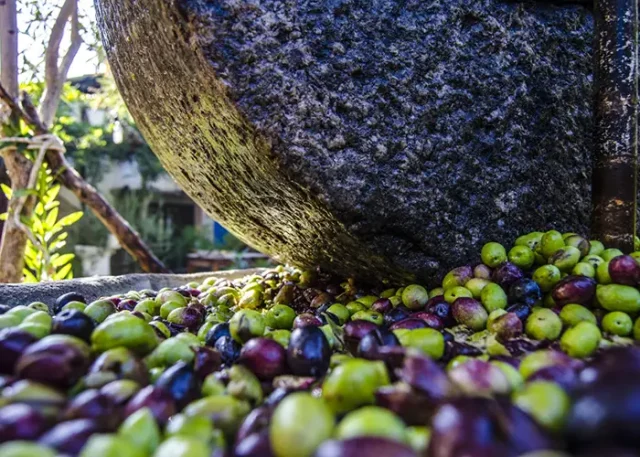
As late summer brings olives to the perfect ripeness, the harvest begins, and locals either pick them by hand or use machines. Deeply connected to their land and ancient olive trees, the Aegeans generally prefer to pick each olive individually, as this method ensures the highest-quality virgin olive oil. Guests can stroll through the olive groves and participate in the harvest for a truly unique Aegean experience. After the harvest, the olives are transported to local factories, where they are pressed into delicious oil.
The Olive Trail
The best trail to experience the harvest firsthand is the Route of the Olive Tree. Begin the route by exploring Mount Ida, an important olive-growing area, and then make a short visit to the Adatepe Olive Oil Museum in Çanakkale – Türkiye’s first olive oil museum – to learn the journey of the olive. Travel further inland to reach another key olive and olive oil destination: Ayvalık in Balıkesir. The district has proven its expertise with geographically indicated olive oil, as well as cuisine infused with this oil.
The next stop is Manisa to see the 1,650-year-old monumental Kırkağaç olive tree, one of the oldest fruit-bearing olives still alive today. Continue to the vibrant city of İzmir and explore other charming towns along the Route of the Olive Tree including Çeşme, Urla, Seferihisar, Güzelbahçe, Menderes, and Selçuk. Urla offers a unique glimpse into the history of olives at ancient Klazomenai—one of the world’s oldest olive oil production sites dating to the sixth century BCE— and the Köstem Olive Oil Museum, which traces 4,000 years of cultivation. Then, try dishes prepared with the region’s exceptional olive oil at MICHELIN-starred restaurants, accompanied by local wines – Urla is also renowned for its vineyards