Whether you’re settling in for a long-haul international flight or hopping on a short journey, sleeping on a plane doesn’t always come easily. Dry cabin air, cramped seating and constant movement can all make rest feel elusive. With the summer travel season approaching, Shayne Fitz-Coy, travel expert at student travel company Rustic Pathways, shares practical advice to help both adults and children get better rest in the air — from smart seat selection to simple comfort adjustments.
Choose Your Seat Wisely
Where you sit can have a significant impact on how well you sleep during a flight. Seats near high-traffic areas, such as restrooms or galleys, are best avoided, as noise and movement can be disruptive.
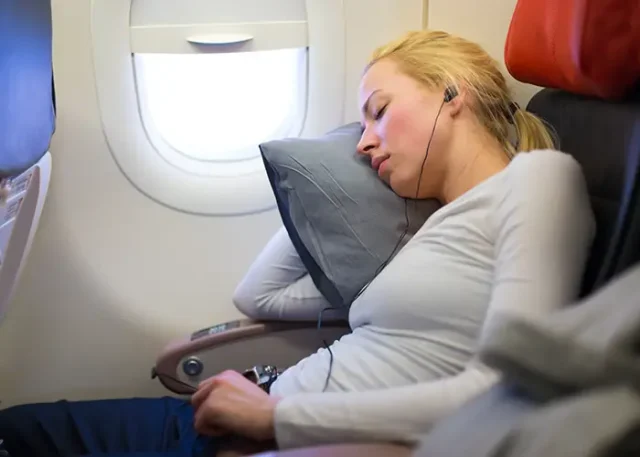
Window seat – A window seat is often the most sleep-friendly option. It provides a solid surface to lean against and allows you to control the window shade, helping to create a darker, more restful environment.
Middle seat – Sleeping in a middle seat can be tricky due to limited space. To maximize comfort, stow all bags in the overhead compartment to free up legroom. Airplane etiquette generally grants middle-seat passengers both armrests, so board early and settle in quickly. A supportive neck pillow is essential, helping to keep your head stable while resting upright.
Aisle seat – If you choose an aisle seat, take advantage of the aisle-side armrest. It can be used for additional support while sleeping, though it’s worth remembering that passing passengers and crew may interrupt your rest.
Loosen Your Shoes
Keeping shoes tightly laced for long periods can restrict circulation and compress nerves in the feet, leading to discomfort that can interrupt sleep. Loosening your shoelaces — or opting for slip-on shoes or travel socks — allows for better blood flow and increased comfort throughout the flight.
Skip Alcohol and Caffeine
Caffeinated drinks and alcohol may seem tempting before takeoff, but both can interfere with quality sleep and contribute to dehydration. While alcohol may initially make you feel drowsy, it reduces time spent in restorative REM sleep, often leaving you feeling more fatigued upon waking.
Avoid Crossing Your Legs
Sitting with crossed legs can restrict blood flow and place additional strain on your lower back, particularly during long flights. For better comfort and circulation, keep your legs parallel with a slight bend at the knees. Periodically shifting your position, stretching your legs, and rotating your ankles can also help reduce stiffness and swelling.
Create a Personal Sleep Kit
A compact sleep kit can make a noticeable difference. Essentials include an eye mask to block out light, earplugs or noise-cancelling headphones to reduce cabin noise, and a comfortable travel pillow.
Memory foam neck pillows provide excellent support, while inflatable pillows or a large scarf can be practical alternatives when space is limited. Some scarves can double as lightweight blankets, adding warmth and comfort.
Helping Children Sleep on a Plane
Getting kids to sleep mid-flight can be challenging, but preparation can make the experience smoother for everyone on board.
Bring familiar comfort items – Favourite blankets, stuffed animals or pillows help recreate a sense of routine and security, making it easier for children to relax.
Reduce light and stimulation – Blocking out cabin light can encourage sleep. Using a blanket, window shade or seat cover can help create a calmer, darker space.
Let them burn energy beforehand – Encourage children to move around before boarding. A walk through the terminal or playtime in a quiet area can help tire them out naturally.
Feed them early in the flight – Having snacks and meals ready soon after takeoff can help children settle. Avoid sugary treats and soft drinks, opting instead for water and balanced snacks to keep them comfortable and hydrated.
With a bit of planning and a few thoughtful adjustments, sleeping on a plane — for both adults and kids — can become far more achievable, turning travel time into genuine rest rather than restless hours.