Luxury travel in 2026 is less about extravagance for its own sake and more about intention, emotion, and connection. Today’s high-end travelers are prioritizing meaningful experiences, cultural depth, personal wellbeing, and stories they can carry with them long after the journey ends. Dubai stands out as a destination uniquely equipped to deliver this evolution of travel—balancing innovation with heritage, indulgence with mindfulness, and urban energy with moments of stillness.
Luxury travel in 2026 is less about extravagance for its own sake and more about intention, emotion, and connection. Today’s high-end travelers are prioritizing meaningful experiences, cultural depth, personal wellbeing, and stories they can carry with them long after the journey ends. Dubai stands out as a destination uniquely equipped to deliver this evolution of travel—balancing innovation with heritage, indulgence with mindfulness, and urban energy with moments of stillness.
Elevated luxury through personalization and design
Modern luxury has shifted away from visible excess toward experiences that feel deeply personal and thoughtfully crafted. In Dubai, this is reflected in bespoke desert safaris shaped around guest interests, from private wildlife encounters to storytelling rooted in Bedouin heritage within the Dubai Desert Conservation Reserve. Travelers can charter private yachts with tailored routes and dining experiences, enjoy chef-led tasting menus and intimate culinary tables, and access wellness programs designed around individual goals. Private art walks in the Al Fahidi Historical Neighbourhood and VIP access to major international events further reinforce Dubai’s reputation for refined, customized travel.
Cultural immersion and heritage discovery
Rather than quick photo stops, travelers are seeking deeper understanding and authentic interaction. Dubai offers this through its historic districts, traditional souks, and institutions such as the Etihad Museum, which explores the formation and identity of the United Arab Emirates. Guided desert heritage experiences introduce visitors to native wildlife and desert traditions, while cultural exchanges at the Sheikh Mohammed bin Rashid Al Maktoum Centre for Cultural Understanding invite guests to connect directly with Emirati hosts over traditional meals and open dialogue.
Wellness-focused and transformational escapes
The rise of the “Whycation” reflects a growing desire for calm, reflection, and holistic wellbeing. Dubai has positioned itself as a wellness-forward destination, offering luxury spa rituals, advanced medical and longevity therapies, desert-based yoga and meditation, mindful nature walks, and beachside wellness programming. These experiences support physical renewal while encouraging mental clarity and emotional balance.
Multi-generational and family-friendly travel
Families are traveling in more diverse configurations, from multi-generational groups to skip-generation trips. Dubai caters to this shift with experiences that span ages and interests, including immersive theme parks such as IMG Worlds of Adventure and LEGOLAND, interactive museums, expansive beaches, and resorts designed with kids’ clubs, flexible dining, and shared activities. The result is a destination that allows grandparents, parents, and children to connect meaningfully while enjoying space tailored to individual needs.
Sustainable and responsible tourism
Conscious travel is no longer optional for many travelers. Dubai supports this shift through conservation-driven initiatives at Al Marmoom Desert Conservation Reserve, eco-aware accommodations, extensive public transport options, and opportunities to support local artisans and businesses. Sustainability is increasingly embedded into the city’s broader tourism strategy, aligning environmental stewardship with long-term community development.
Destination hotels as travel drivers
Hotels are now central to why travelers choose a destination, not just where they sleep. Dubai’s portfolio of destination-led properties—including Jumeirah Marsa Al Arab, Atlantis The Royal, Al Maha Desert Resort, JA The Resort, and Atlantis The Palm—offer immersive environments where architecture, dining, entertainment, and experiences are integral to the stay. These properties function as micro-destinations in their own right.
Culinary exploration and global flavors
Food remains a powerful travel motivator, and Dubai’s dining scene reflects its multicultural identity. Travelers can explore traditional Emirati cuisine, vibrant street food and markets, and guided culinary tours through Old Dubai—recognized by Lonely Planet as a top global food experience for 2026. The city is also home to an expanding collection of MICHELIN-starred and award-winning restaurants, appealing to both adventurous and refined palates.
Adventure woven into luxury travel
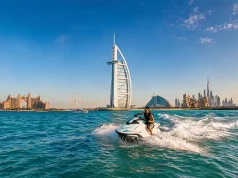
Even as travelers slow down, many are still seeking moments of excitement. Dubai balances luxury with adventure through experiences such as dune bashing, skydiving over Palm Jumeirah, indoor skiing at Ski Dubai, Deep Dive Dubai, XLine Dubai Marina, water sports along the coast, and high-energy theme parks—allowing travelers to blend adrenaline with comfort.
Discovering Dubai beyond peak season
Off-peak and shoulder-season travel is gaining popularity as travelers look for fewer crowds and better value. In Dubai, these periods offer access to cultural festivals, world-class indoor attractions, and evening-centric experiences, revealing a quieter, more relaxed side of the city while maintaining its signature energy.
Solo travel and meaningful connection
Solo travelers are increasingly drawn to destinations that feel safe, social, and enriching. Dubai’s infrastructure, security, and diverse programming make it ideal for solo exploration, with guided tours, cultural workshops, fitness classes, walking tours, and supper clubs creating opportunities for connection with locals and fellow travelers alike.
Urban energy meets mountain serenity
Travelers are pairing city stays with nature-based escapes, seeking contrast and balance. Dubai enables this through easy access to Hatta in the Hajar Mountains, where curated excursions include sunrise hikes, stargazing, wellness retreats, and outdoor adventures—offering a peaceful counterpoint to the city’s dynamic pace.
Sports tourism and fan-driven travel
Sports-led travel continues to grow, and Dubai is a global hub for major international tournaments in golf, tennis, and horse racing. Visitors can also experience culturally rooted sports such as camel racing and falconry, alongside water sports and active pursuits along the coastline.
Hotel hopping and neighborhood discovery
Many travelers now choose to experience multiple neighborhoods within a single trip. Dubai’s efficient transport and compact layout make it easy to move between Deira’s heritage streets, Downtown’s modern skyline, and Palm Jumeirah’s beachside luxury, creating a layered and diverse itinerary.
Set-jetting and screen-inspired journeys
Film, television, and digital media are increasingly influencing travel decisions. Dubai offers countless set-jetting opportunities, from recognizable landmarks featured in global productions to hotels and locations that have become cinematic icons, allowing travelers to step into scenes they’ve already seen on screen.
Looking ahead
As travel continues to evolve, Dubai remains at the forefront by offering experiences that feel purposeful, personal, and emotionally resonant. By blending innovation with tradition, adventure with wellness, and luxury with authenticity, the city reflects the values shaping global travel in 2026—inviting visitors not just to see more of the world, but to feel more deeply connected to it.