
With the latest figures showing a sharp rise of over 200% in UK visitors to Japan and Hong Kong between 2022 and 2023, a warning has been issued to holidaymakers about dangerous scams targeting tourists visiting Asia.
Harish Kohli, CEO of Asian Geographical Expeditions, has urged travellers to be vigilant when visiting popular destinations in Asia, with certain scams becoming increasingly sophisticated.
“Many travellers fall victim to these tricks simply because they let their guard down while on holiday,” Kohli said. “Scammers target tourists who appear unfamiliar with local customs or those who seem distracted by the excitement of exploring new places.”
Ignore sales on ‘special’ gems and jewellery
Kohli explained that one of the most expensive scams involves fake gem stores. “Tuk-tuk drivers or friendly locals might direct you to ‘special government-sponsored gem sales’ claiming you can buy gems at wholesale prices and sell them for profit back home,” he said.
“These gems are typically worthless glass or synthetic materials marked up by thousands of per cent. Neither the Thai government nor royal family sponsors any jewellery shops, so ignore such claims completely.”
Stick to metered taxis to avoid detour trap
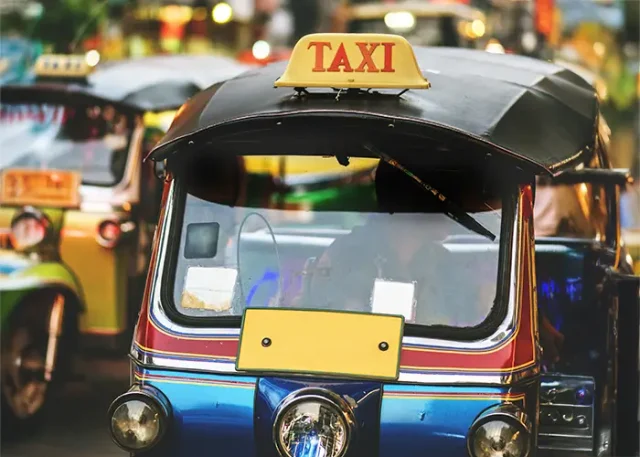
“Taxi and tuk-tuk drivers in cities like Bangkok often claim your intended destination is closed for a religious ceremony or renovation,” Kohli said. “They’ll then offer to take you somewhere ‘better’ which inevitably turns out to be a commission-based shop or overpriced attraction.”
He advised tourists to stick to metered taxis where possible and research opening hours of attractions before setting out.
Photograph vehicle rentals immediately to prevent damage scams
Beach destinations such as Phuket are some of Asia’s most popular destinations for jet ski and scooter damage scams.
“Rental agencies will demand your passport as security, then claim you damaged their vehicle upon return,” Kohli explained. “They’ll show you scratches or dents that were already there and demand hundreds of pounds in compensation.”
“Always photograph any existing damage before accepting the vehicle and never hand over your passport as collateral. Keep it secured in your hotel safe.”
Be wary of ‘hidden gems’
“A friendly local approaches you near a temple or museum and tells you it’s closed for a special ceremony,” Kohli said. “They then offer to take you to a ‘hidden gem’ that tourists rarely see.”
While this may seem harmless, it commonly leads to commission-based shops or restaurants. “Trust official opening times from websites or guidebooks, not strangers on the street.”
Familiarise yourself with the currency and count your change
A simple but effective scam involves merchants shortchanging tourists who aren’t familiar with local currency.
“Some vendors will count change slowly, skipping notes, or hand back change for a smaller denomination than you paid with,” Kohli explained. “Always count your change carefully and know how much to expect back.”
Action Fraud reported that July and August saw the highest number of holiday fraud reports last year, with 804 and 781 cases, respectively.
Kohli added that many travellers feel too embarrassed to report being scammed. “The most dangerous part is that these scammers target thousands of tourists daily, making millions each year,” he said.
The U.S. Embassy in Thailand advises victims to contact the Tourist Police immediately by dialling 1155 if they suspect they’ve been scammed, according to their official guidance.
“Most people on your travels are genuine and helpful,” Kohli concluded. “But staying alert and trusting your instincts when something seems too convenient or too good to be true will help you avoid these common traps.”