
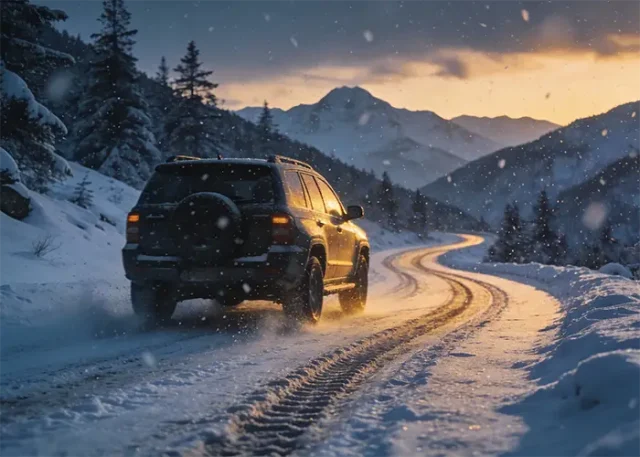
As winter approaches, it’s important to prepare for cold and icy driving conditions. If you’ve driven on slippery roads, you know how crucial it is to be ready. Snow, sleet, and freezing rain can make driving dangerous, so being prepared can help keep you safe.
Winter driving isn’t just about having the right tires or changing how you drive. There are many other things to think about. Whether you’re taking a long trip in the mountains or heading to work, here are some tips to stay safe this winter.
Check Your Tires
Make sure your tires are in good condition for winter driving. If you live in a snowy area, consider getting winter tires. These tires help provide better grip in cold, snowy weather because they remain flexible at low temperatures.
Also, check your tire tread depth using the penny test. Insert a penny into the tread with Lincoln’s head facing down. If you can see all of Lincoln’s head, you need new tires. Don’t forget to check your tire pressure often, as cold weather can lower it.
Ready Your Windshield
Good visibility is critical in winter driving. First, make sure your windshield wipers work well. Replace them if they leave streaks or don’t clear the glass. This small fix can significantly improve your safety.
Next, keep your windshield fluid filled with a low-temperature option to avoid freezing. Also, keep a liquid de-icer in your car. They are handy for clearing frost quickly.
Stock Up on Essentials
Before the snow starts, pack a winter survival kit in your vehicle. You don’t need much, but a few essential items can help if you get stuck. Include a blanket, a flashlight with extra batteries, bottled water, and some snacks.
A shovel is also useful for digging out if your car gets stuck in snow. It can help remove snow from around your tires. Lastly, bring jumper cables. A dead battery can happen to anyone, especially in cold weather.
Plan Your Routes
Before you drive, take time to plan your route. Get to know the areas you will be in and check the weather. Use apps that give real-time traffic and weather updates. They can be invaluable. If there’s heavy snow, consider taking a longer, safer route rather than risking a slick shortcut.
If you can, avoid driving during severe weather. If you must go out, tell someone your route and when you expect to arrive. This is a smart safety measure that helps others feel more secure if conditions get bad.
Know Your Driving Basics
Driving on ice and snow is different from driving on dry roads. Remember to speed up and slow down slowly to avoid skidding. When approaching intersections or stop signs, keep a safe distance behind the car ahead of you. This gives you more time to stop without crashing.
If you start to skid, don’t over-correct your steering. Instead, gently steer in the direction you want the front of your car to go. Calmly applying the brakes can help you regain control, but don’t slam on them.
Stay Calm and Collected
Winter driving can be stressful, especially if you’re not used to snow. Stay calm and give yourself plenty of time to reach your destination.
Practice helps. If you can, find a safe, empty parking lot to practice steering on slippery surfaces. It may seem silly, but knowing how your vehicle reacts can build your confidence.
Preparation is key for winter driving. A little effort can greatly reduce stress and increase safety. Keep your vehicle well-maintained, be ready for the conditions, and drive carefully.
Stay Informed About Road Conditions
Before you travel, check the current road conditions. Use websites, apps, or traffic news for updates on road closures, accidents, and weather warnings. Knowing what to expect will help you make better travel decisions. If conditions are bad, think about delaying your trip or using public transport or carpooling.
Know How to Handle Emergencies
Even with good preparation, emergencies can happen. Learn basic emergency procedures. If you get stuck in the snow, stay with your vehicle to stay safe and visible. If you have a phone, call for help, but save your battery. It’s also helpful to know how to change a tire, jump-start a car, or use flares to signal for help.