

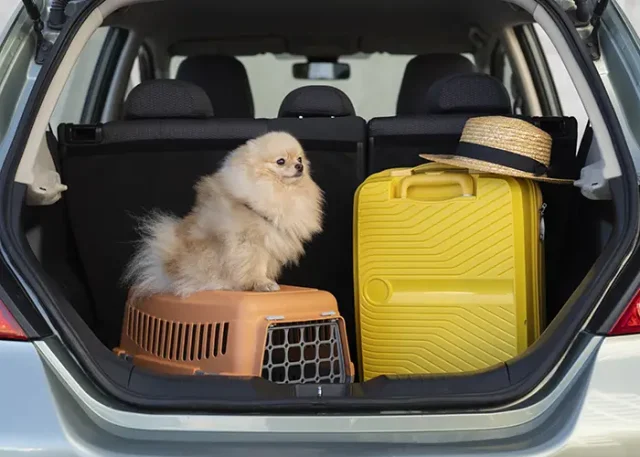
Traveling with your furry companion can be one of life’s greatest joys, but without proper planning, it can quickly turn into a stressful ordeal for both you and your pet. The key to a successful pet-friendly adventure lies in creating a thoughtful itinerary that addresses your pet’s needs while still allowing you to enjoy your vacation. Let’s explore how to design a travel plan that keeps tails wagging and stress levels low.
Start With Your Pet’s Health and Safety
Before you even think about booking accommodations or mapping routes, schedule a visit to your veterinarian. This appointment should happen at least two weeks before your departure date to allow time for any necessary vaccinations or medications. Your vet can provide a health certificate, which some accommodations and state borders require, and offer advice specific to your pet’s health conditions.
Make sure your pet’s identification tags are current with your cell phone number. Consider getting your pet microchipped if you haven’t already, as this provides an extra layer of security if your pet gets lost in unfamiliar territory. Pack a copy of your pet’s medical records and any prescription medications they need, along with a recent photo in case you need to create lost pet flyers.
Choose Pet-Friendly Accommodations Wisely
Not all pet-friendly lodging is created equal. When searching for places to stay, look beyond the basic “pets allowed” designation and dig into the details. Read reviews from other pet owners to learn about the actual pet amenities and any hidden fees or restrictions. Some places welcome pets warmly with treats and designated play areas, while others merely tolerate them.
Consider the type of accommodation that best suits your pet’s personality. If you’re seeking a peaceful retreat in nature, pet friendly cabins offer an excellent option with private outdoor space where your pet can roam safely. Hotels might work better for city adventures, while vacation rentals can provide the comforts of home with fenced yards.
Plan Your Route With Pet Breaks in Mind
Long stretches of driving can be uncomfortable and stressful for pets. When mapping your route, identify rest stops, dog parks, or pet-friendly attractions every two to three hours. This gives your pet time to stretch their legs, use the bathroom, and burn off some energy before getting back in the car.
Research veterinary clinics along your route and at your destination. Save their contact information in your phone so you’re prepared for any emergencies. This simple step can save precious time if your pet needs medical attention while you’re away from home.
Pack a Comprehensive Pet Travel Kit
Create a dedicated bag for your pet’s essentials that includes food, treats, medications, bowls, a leash, waste bags, and comfort items like their favorite toy or blanket. Familiar scents can help reduce anxiety in new environments. Don’t forget grooming supplies, especially if you’ll be exploring outdoor areas where your pet might get dirty.
Bring more food than you think you’ll need, as finding your pet’s specific brand might be difficult in unfamiliar areas. Pack a portable water bottle designed for pets to keep them hydrated during outings, and include a basic first-aid kit with items like bandages, antiseptic wipes, and tweezers for removing splinters or ticks.
Maintain Your Pet’s Routine as Much as Possible
Pets thrive on consistency, so try to stick to their regular feeding and walking schedule even while traveling. This predictability helps reduce anxiety and keeps their digestive system on track. If your pet eats at 7 AM at home, aim for the same time during your trip.
Build downtime into your itinerary. While you might be tempted to pack in as many activities as possible, remember that your pet needs rest and quiet time to decompress. Overstimulation can lead to behavioral issues and stress-related health problems.
Research Pet Policies and Local Regulations
Every destination has different rules regarding pets in public spaces. Some beaches welcome dogs year-round, while others ban them during summer months. National parks often restrict pets to paved areas, while state parks may offer more freedom. Research these regulations before you go to avoid disappointment and potential fines.
Check local leash laws and be respectful of other travelers and residents. Even if your pet is friendly and well-behaved, not everyone appreciates unexpected animal encounters. Following the rules helps maintain access for future pet travelers.
Conclusion
Creating a stress-free itinerary for traveling with pets requires thoughtful preparation, but the effort pays off in memorable experiences and bonding time with your companion. By prioritizing your pet’s health, comfort, and routine while remaining flexible and prepared for the unexpected, you’ll set the stage for a vacation that both you and your furry friend will treasure. Remember, the journey is just as important as the destination when you’re traveling with someone who depends on you for their wellbeing.