A home can work perfectly and still feel flat. Guests notice the small touches that show intention, not just the big furniture pieces. Accents bridge that gap by turning everyday items into details that feel considered and personal.
The right accents pull double duty. They serve a purpose and quietly signal style, helping your space feel welcoming without trying too hard.
Statement Hardware That Gets Noticed
Hardware is often treated as a background detail, yet it sits right at eye level. Door handles, cabinet pulls, and bathroom fixtures get used daily, which makes their appearance matter more than people expect. Swapping basic finishes for something warmer can shift the mood of an entire room. A finish like modern warm brushed nickel feels calm and refined without looking cold or flashy, and it works across kitchens, bathrooms, and laundries. This kind of hardware blends smoothly with timber, stone, and neutral palettes. Guests may not name it outright, but they notice the cohesion it brings to the space.
Decorative Trays That Organise in Plain Sight
Clutter can sneak up quickly, even in homes that feel spacious and orderly. Decorative trays offer a simple yet stylish solution by grouping items in a way that keeps surfaces tidy while adding a layer of visual interest. Coffee tables, entry consoles, and kitchen islands benefit most from this approach, as trays create a sense of purpose for objects that might otherwise appear scattered. By containing everyday items like keys, mail, or remotes, trays prevent visual chaos while still allowing these objects to be easily accessed.
A recent feature highlighted that decorative trays help personalise spaces and add depth to interior design schemes. This versatility makes them ideal for blending function and style. You can layer trays of different sizes, shapes, and materials to create a dynamic vignette that draws the eye and complements surrounding decor. For instance, a brass tray paired with candles and a small plant can introduce a warm, inviting tone, while a mirrored tray adds sparkle and light reflection.
Trays are not limited to decorative use alone. In dining areas, they can serve as platforms for condiments, serving bowls, or drinkware during casual gatherings, making the space both practical and attractive. In bathrooms, a tray can elegantly contain soaps, lotions, or perfume bottles, keeping counters organized and visually cohesive. Even in home offices, trays help corral stationery, pens, and notebooks in a way that feels intentional rather than cluttered.
Sculptural Lighting Beyond Overhead Fixtures
Overhead lighting covers basic needs, yet it rarely adds character. Accent lighting introduces Sculptural lighting that goes far beyond the standard ceiling-mounted fixture, transforming light sources into intentional design statements that captivate guests the moment they enter a space. Instead of relying solely on overhead lighting, incorporating floor lamps with artistic silhouettes, statement table lamps, or wall-mounted sconces with unique forms adds depth, texture, and personality to a room. These pieces function as both illumination and décor, creating visual interest even when the lights are turned off.
Sculptural lighting also allows homeowners to layer light more thoughtfully, using accent and ambient lighting to highlight architectural features, artwork, or cozy seating areas. Materials such as hand-blown glass, brushed metal, natural stone, or mixed media can introduce contrast and sophistication, while unconventional shapes and asymmetrical designs spark conversation and reflect a curated sense of style. By positioning sculptural lighting at eye level or in unexpected corners, the room feels more intimate and dynamic, proving that lighting is not just a practical necessity but a powerful design accent that seamlessly blends function with artistic expression.
Accent Bowls That Balance Form and Use
Accent bowls might seem like a minor detail in a room, yet they carry a remarkable ability to balance both function and style. On dining tables, consoles, or kitchen islands, they fill empty spaces while subtly drawing attention to other design elements around them. Their versatility means they can act as a decorative centerpiece, a storage solution, or a conversation starter, depending on the context.
Beyond their aesthetic appeal, accent bowls offer practical benefits. They can hold fresh fruit, collect everyday essentials like keys and coins, or even serve as a vessel for seasonal décor such as pinecones or decorative stones. This dual-purpose nature makes them invaluable for households that value both order and elegance. Placement matters as much as material: a bowl on a console near the entryway signals thoughtful organization, while one on a dining table can anchor a table setting and encourage interaction.
Mirrors That Do More Than Reflect
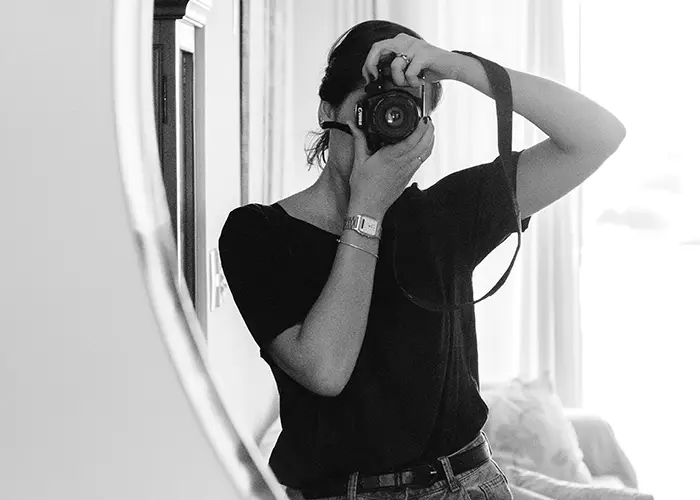
Mirrors change how a room behaves. They bounce light, expand visual space, and add rhythm to blank walls. When chosen carefully, they act like artwork with a purpose.
Round mirrors soften angular rooms, and arched frames bring movement into hallways or bathrooms. Placing a mirror near a window or light source helps brighten darker areas. Guests often feel rooms are larger or more open without knowing exactly why.
Mirror styling tips that work well:
- Choose frames that echo nearby finishes
- Avoid overcrowding surrounding walls
- Hang at eye level for natural balance
Textiles That Invite Touch
Textiles play a powerful role in transforming a home from purely functional into genuinely welcoming, making them one of the most effective accents for impressing guests. Soft, layered fabrics immediately create a sense of comfort and warmth, encouraging people to relax and feel at ease the moment they sit down. Plush throw blankets draped over sofas, richly textured cushions, and well-chosen area rugs all add depth and visual interest while also appealing to the sense of touch.
Natural materials such as cotton, linen, wool, and velvet bring subtle luxury without feeling overly formal, striking a balance between style and approachability. Mixing textures, smooth with nubby, matte with slightly lustrous, adds sophistication and prevents the space from feeling flat or predictable. Even small textile choices, like upholstered dining chairs or fabric-covered headboards, can elevate a room by making it feel thoughtfully designed rather than purely practical. When guests instinctively reach out to feel a cushion or comment on how cozy a space feels, it’s a clear sign that your textiles are doing more than decorating—they’re creating an experience.
When these elements work together, guests sense intention and care throughout the home. Function remains intact, yet style quietly steps forward, leaving a memorable impression long after the visit ends.