
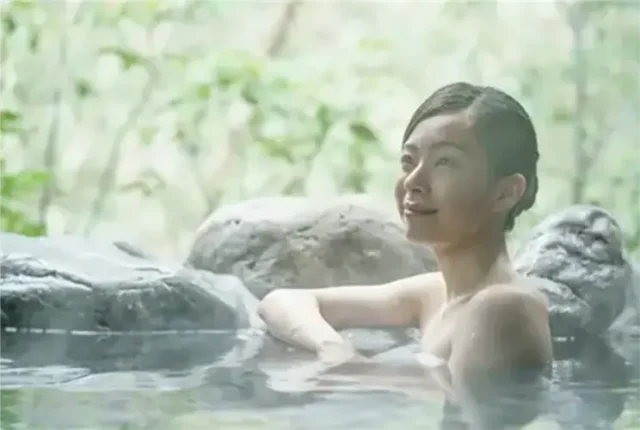
As the trend of ‘wellness travel’ continues to gain momentum heading into 2026, the dream of taking a restorative dip in one of Japan’s steamy, dreamy hot spring Onsen has further rocketed the destination up countless bucket lists.
However, there’s a little more to it than just packing your most plush towel and cannonballing in! Japan has a storied bathing culture that may at first seem mysterious to newcomers. Never fear: we’ve prepared the quick guide below, guaranteed to get you bathing like a pro.
Choosing the Right Bath for You
So far, we’ve put the spotlight on the Onsen: mineral-rich, natural hot springs that some visitors might associate with Japan’s famous bathing monkeys. In contrast, the Sento is far more ubiquitous: these public bathhouses can be found almost in every neighbourhood, and come with their own legacies and traditions. If you have visible tattoos, do note that some hot springs may prohibit your entry, but many local Sento will readily welcome you. If you’re ever unsure, don’t be afraid to check before you go.
Onsen 101
Ready to relax? Though it might seem redundant, you’ll be asked to wash yourself thoroughly in a shower area before entering the bath. You’ll do so in the Japanese way: with a stool and bucket of hot water, though take care not to cause too much of a splash. Patrons with long hair should tie it carefully before entering the water, and do so gingerly – it’s often incredibly hot!
Concerned about Privacy?
It should, of course, be noted that most facilities have separate baths for male and female patrons, and few allow bathers to wear swimsuits.
If, for any reason, you’d prefer to bathe alone, look for private charter baths (called kashikiri). If you’re staying at a traditional Ryokan, you might just find that your room has its own ensuite bath.