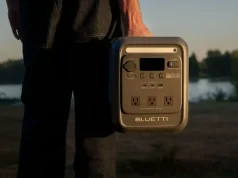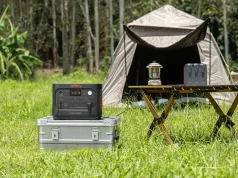

A portable power station is one of the most practical upgrades for van life and road trips. It provides quiet, stable electricity without relying on campsites, shore power, or fuel generators. For most travelers, the core value is simple: enough output power to run daily devices, enough battery capacity to last through the night, and flexible charging options that allow you to stay off-grid longer without stress.
In van life scenarios, output power determines what you can run, battery capacity determines how long you can run it, and charging methods determine whether the system is truly suitable for long-term travel.
What a Portable Power Station Means for Van Life
In a van or road-trip power setup, a portable power station acts as a centralized energy hub. It stores electricity and delivers it through AC outlets, USB ports, and 12V DC outputs. Unlike fixed electrical systems, it does not require permanent wiring or complex installation, making it ideal for flexible layouts, temporary builds, or first-time van conversions.
Compared with traditional fuel generators, portable power stations operate with almost no noise, produce no exhaust, and are designed for indoor use. This is especially important when sleeping inside the vehicle, parking overnight in cities, or staying in noise-sensitive areas.
Why Van Lifers Rely on Portable Power Stations
Freedom from Campsites and Shore Power
A portable power station removes the need to plan routes around electrical hookups. You can stop in remote areas, trailheads, or rest stops while still powering essential equipment, without searching for RV parks or power outlets.
Supporting Real Daily Power Needs
Van life power use goes far beyond charging phones and lights. Ventilation fans, portable fridges, cooking appliances, and laptops quickly turn electricity from a convenience into a necessity. A portable power station replaces scattered batteries, inverters, and chargers with a single integrated system, simplifying power management.
Quiet, Low-Profile Power Use
Without engine noise or exhaust, portable power stations are well suited for stealth camping. You can use lighting or charge devices at night without drawing attention or disturbing your surroundings.
What to Look for in a Portable Power Station for Van Travel
Battery Capacity and Real-World Runtime
Battery capacity is typically measured in watt-hours (Wh). Smaller units can handle device charging and lighting, but once a fridge or multiple devices are involved, capacity can become a limiting factor. For extended off-grid travel, setups that look “just enough” on spec sheets often feel restrictive in real use.
Output Power and Load Compatibility
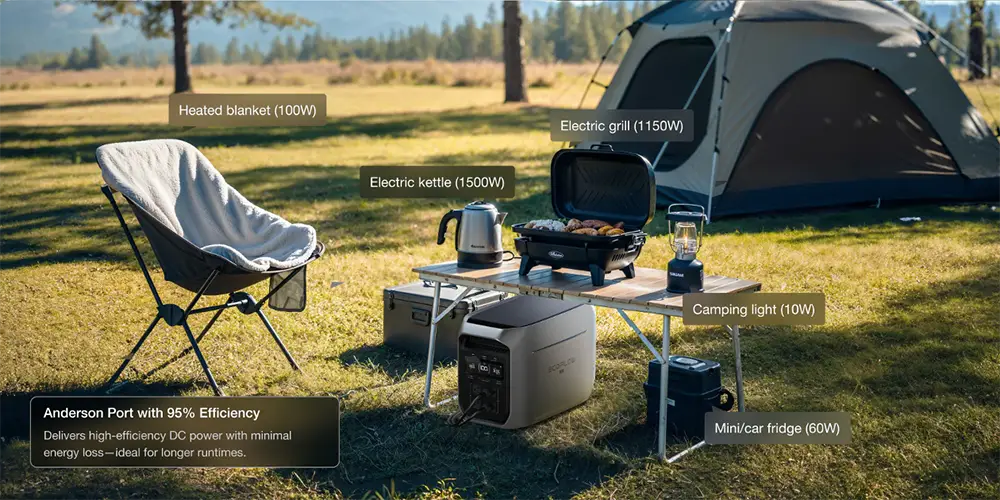
Output power determines whether devices can start and run properly. Appliances like induction cooktops, electric kettles, or power tools often fail not because the battery is empty, but because startup power exceeds the inverter’s capability. In van life scenarios, stable continuous output matters more than advertised peak ratings.
Charging Options That Match Travel Style
Charging flexibility is critical. Practical systems typically support wall charging, 12V vehicle charging while driving, and solar input. Compared with fast one-time charging, steady all-day replenishment better reflects real travel patterns.
Size, Weight, and In-Vehicle Placement
Larger capacity usually means more weight and bulk. In a van, whether the unit fits under seats, inside cabinets, or near doors often affects daily usability more than the specifications on paper.
Battery Type and Expected Lifespan
Battery chemistry directly affects how long a portable power station remains useful during travel. Many newer models use LiFePO4 batteries, which are commonly rated for around 3,000 full charge cycles before noticeable capacity degradation. For frequent users who charge multiple times per week, this typically translates into many years of stable use.
Traditional lithium-ion batteries usually have shorter cycle lives, often around 500–800 cycles, which may be sufficient for occasional trips but are less suitable for long-term or full-time van life.
How to Choose the Right Capacity Portable Power Station for Your Van
Lightweight, Short Trips
For weekend travel focused on phones, cameras, lighting, and occasional laptop use, a 300–600Wh portable power station can usually cover basic needs. These units are compact, lighter, and recharge quickly, but offer limited buffer when weather, usage, or charging conditions change.
Everyday Van Life and Long Road Trips
For most van lifers, 1,000–2,000Wh is the most common and balanced choice. This range can typically support a portable fridge, lighting, and device charging, and can handle one to two days off-grid with reasonable power management. It offers a practical balance between runtime, size, and charging pressure, and tends to produce the least day-to-day anxiety.
Long-Term Off-Grid or High-Demand Use
If you work remotely, cook frequently with electric appliances, or stay off-grid for multiple days without shore power, systems above 2,000Wh significantly reduce power stress. These setups work best when paired with vehicle charging or solar input, as single recharge sessions can otherwise become a limiting factor.
Using Solar Charging While Traveling
Solar power is better suited as a daily energy offset, rather than the sole method for fully recharging the battery each day. With approximately 200–400W of solar input, it is typically possible to cover a fridge, device charging, and basic lighting, reducing reliance on driving or shore power. Actual performance depends on panel output, sunlight duration, and seasonal conditions.
Common Mistakes
Many users underestimate the continuous 24-hour power consumption of a fridge. Others focus only on capacity and ignore output limits, resulting in appliances that fail to start. Another common issue is purchasing a large battery without a realistic charging plan for extended stationary stays.
Frequently Asked Questions
Can a portable power station run a fridge in a van?
Yes. Most mid-size and larger units can run efficient 12V or compact AC fridges. Actual runtime depends on battery capacity, ambient temperature, and compressor duty cycle.
Can you charge a portable power station while driving?
Yes. Most models support 12V vehicle charging, and some allow simultaneous solar input.
Is it safe to use a portable power station inside a van?
Yes. Portable power stations are designed for indoor use and produce no exhaust or combustion gases.
Conclusion
For van life and road trips, a portable power station is more than a convenience. It is a core system that defines how independently you can travel. Rather than focusing on brand names, it is more important to match real power needs, charging methods, and long-term durability.
When capacity, output, charging options, and battery lifespan align with your travel style, a portable power station can provide reliable support for years without the complexity of a permanent electrical system.