
Trains stitch together the big canvas of the United States. They roll past deserts, cornfields, and cities at a human pace, letting you watch the landscape change instead of skipping over it. Iconic routes grow from this simple idea, then add history, ritual, and a sense of shared adventure.
The Pull Of Scenery And Scale
Iconic trips begin with views you cannot fake. A train frames mountains, plains, and water in slow motion, so your eyes have time to catch layers you would miss at 70 mph. When a route lines up river bends, canyon walls, or ocean light, the scenery imprints on memory and becomes the story.
Time, Distance, And The Art Of Slowing Down
Rail travel changes how a day feels. Midway through a long segment, you find a rhythm in the sway, and the station stops, and a Fort Pierce train lawyer might cross your mind as a reminder that safety and responsibility ride along with the romance – the culture around trains honors both wonder and care. By choosing a slower mode, you make room for small rituals like reading, journaling, or talking with a stranger who will never show up in your feed again.
Public Signals That Reinforce The Myth
Cultural status is not only nostalgia. In January 2025, the Federal Railroad Administration delivered a long-distance service study to Congress that mapped possible daily links and restorations, which tells riders that the network still matters to national life.
Around the same time, reporting highlighted Amtrak’s all-time marks of about 34.5 million riders and more than $2.7 billion in ticket revenue, a sign that interest is not just a niche trend. When a system grows and sets records, it refreshes the myth and invites new travelers to join it.
Florida’s Intercity Revival Shows The Blueprint
Modern service can seed new icons in places without deep rail habits. A Florida operator noted that its October results showed long-distance ridership up by more than 60% year over year despite rough weather, proving that frequency, speed, and station design can change how people move. When trains become the practical choice from airport to beach to downtown, the rides start to collect stories of their own.
Shared Spaces That Create Community
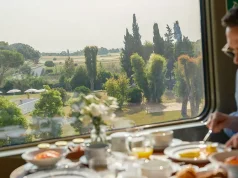
Iconic journeys are social. Observation lounges, dining cars, and quiet coaches act like moving town squares where kids press faces to glass and retirees trade route tips. You may start alone, but a tablemate’s road tale or a conductor’s local joke can turn a corridor into a community.
The Rituals That Make Memories Stick
Little patterns become big feelings. You learn the sound of the horn before a bridge and the pause before a siding. You step out at a smoke stop, breathe air that smells like pine or sea salt, and climb back aboard with a snack only that station sells. The repetition turns into ritual, and the ritual turns into meaning.
Routes That Become Characters
Some lines feel like people you know. They have moods shaped by climate, terrain, and the nicknames they earn from crews and regulars. A desert route teaches patience and stars. A mountain route teaches trust in steel and grade. Over time, riders talk about a train the way they talk about a friend who came through in a tough season.
History You Can Touch From A Window Seat
Rails often shadow old migration paths, postal roads, and telegraph lines. Stations anchor neighborhoods and mark waves of growth, decline, and renewal. When you roll past a mill town or a civil rights landmark, the trip collapses timelines and makes the country’s story feel near enough to touch.
Comforts And Quirks That Define The Experience
Part of the charm is how trains blur private and public life. You can nap in a seat, wander to a café for coffee, then stand between cars to feel the wind as the world slides by. Delays and odd schedules become part of the folklore, and the bragging rights come not from perfection but from the tale you bring home.
The Role Of Risk, Care, And Design
Iconic does not mean careless. Crews, dispatchers, and maintenance teams make dozens of decisions to keep trips smooth, and riders notice when that care shows up in clear announcements and smart station layouts. Safety culture is not a backdrop – it is the quiet foundation of the romance.
Why These Trips Linger Long After Arrival
A great rail journey gives you a map for your memories. You remember the long bridge at sunset, the shy hello in the lounge, the conductor calling a town you had never heard of. Those details feel earned because the train gave you time to collect them, and because the country met you at window height instead of a blur.
The rail trips we call iconic keep earning that title by doing simple things well. They move at a pace that respects the land and the people on board. They make the United States feel both larger and more reachable, and they leave you with a story that sounds better each time you tell it.