
Across wellness, hospitality and travel, women are driving change you can feel. Health programs with measurable outcomes. Landmarks restored with respect for place and history. Hotels that regenerate their landscapes in view of the guest. Operations designed so comfort and trust meet the guest first. Journeys planned with integrity, where communities are collaborators rather than backdrops. Heritage hotels renewed with modern craft.
This Women’s History Month, meet six women reshaping how we experience hospitality in 2026. They lead with rigor, stewardship, sustainability, precision, and respect. Together, they set a standard for progress that is practical, human, and built to last. Thank you for your consideration. Please get in touch for images or any additional details you need.
Aashica Khanna — Executive Director
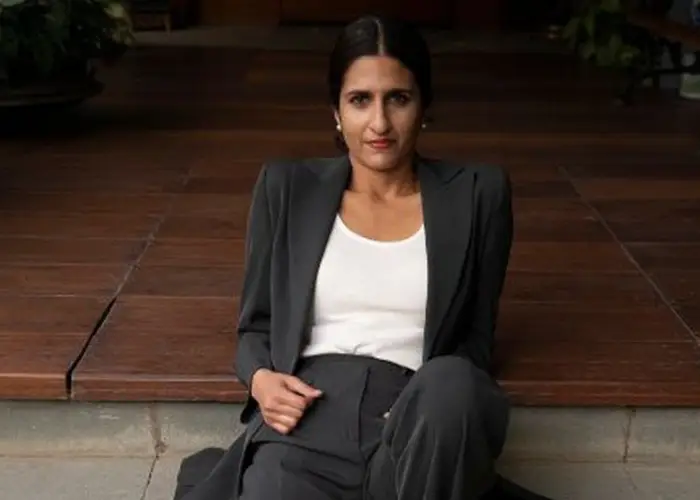
Ananda in the Himalayas (India)
Where the path to wellbeing is continuous, beginning here and continuing at home.
At Ananda in the Himalayas, Aashica Khanna is moving wellness beyond mood and into measurable change. Programs begin at 7 nights, with many guests choosing 14 or 21‑night immersions for deeper transformation. Each plan integrates Ayurveda, yoga and meditation, Traditional Chinese Medicine, and emotional therapies, and it is diagnostics‑backed at every stage: pre‑arrival baselines, on‑site progress checks, and post‑stay follow‑ups. More than 80% of guests now choose targeted programs addressing long‑term needs such as metabolic health, arthritic and chronic pain, menstrual and menopausal balance, and emotional resilience. The premise is simple and exacting: personalization with accountability. Aashica’s multidisciplinary team tunes every element to the guest’s goals, then extends care beyond checkout so gains made on the mountain hold their shape at home. Her work also extends into women’s empowerment through the Ananda Skill Development Institute, a charitable, women‑only academy offering free vocational training in spa therapy for women from underserved communities. Run in partnership with the Ambuja Foundation, the institute provides high‑quality education, pathways to employment, and long‑term financial independence for women across India.
“Looking ahead, our focus sharpens on blending ancient wisdom with modern science to craft hyper‑personalized wellness journeys. For us, that means diagnostics at every stage, multidisciplinary care teams, and follow‑ups that turn short‑term gains into lasting transformation. The goal is not only a visit that feels restorative. The goal is a life that continues to evolve with purpose once guests return home.”
About Ananda in the Himalayas
Set in the Himalayan foothills on a 100‑acre former palace estate overlooking Rishikesh and the Ganges valley, Ananda in the Himalayas integrates Ayurveda, Yoga, Meditation, and Vedanta with contemporary wellness practice to create deeply personalized journeys. Sal forests, mountain light, and the spiritual energy of northern India shape a setting guests often return to like a pilgrimage. Programs are guided by Ayurvedic doctors, yoga and meditation masters, and international specialists, with itineraries built around assessments and restorative daily rhythms. Accommodations, spa facilities, and quiet outdoor spaces support reflection as much as results, marrying ancestral wisdom with modern comfort. Recognized among the world’s leading destination spas, Ananda delivers transformation that feels serene and sustained.
Reiko Sakata — General Manager
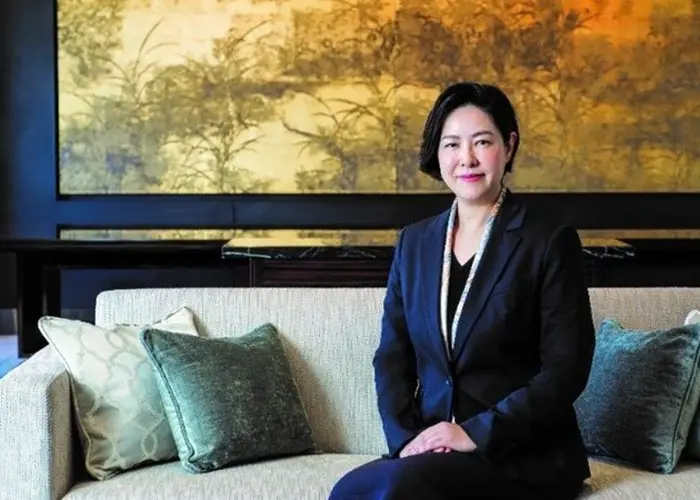
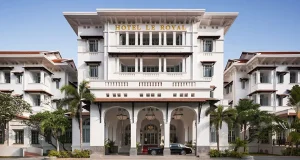
Imperial Hotel, Kyoto (Japan)
Where preservation becomes a living hospitality language.
Reiko Sakata builds the kind of culture guests can feel and teams can keep. Over twenty-four years with the Imperial Hotel brand, she moved from wedding planning and human resources into general management, proving that qualities often labeled soft, such as empathy and attentive listening, are the hard assets that build loyalty and performance. In Kyoto’s Gion district, Reiko now guides the brand’s most consequential chapter in decades with the March opening of Imperial Hotel, Kyoto, the first new Imperial Hotel opening in thirty years, set not in a new tower but within the restored Yasaka Kaikan. Gion’s tea houses have long been led by women, with Geiko and Maiko sustaining Kyoto’s intangible arts, and that legacy shapes how the hotel belongs to its neighborhood, not only its brand. Preservation here is practical and poetic, honoring craft and memory while meeting the precision guests expect of Imperial Hotel.
“When we put people at the center of decisions, passion and pride become strategy. Service becomes continuity. Guests return, teams grow, and the neighborhood feels seen in the place we are building. The work is operational, but the result is human. That is how a hotel earns the right to belong to its city.”
About Imperial Hotel, Kyoto
Opening in Spring 2026 in Kyoto’s Gion district, Imperial Hotel, Kyoto inhabits the restored Yasaka Kaikan, a 1936 cultural venue conserved rather than replaced. The seven story, 55 room boutique property preserves original fabric, including thousands of exterior tiles and terracotta details, through a meticulous program led by Obayashi Corporation, which also built the original structure. Interiors by architect Mr. Tomoyuki Sakakida of New Material Research Laboratory interpret Kyoto materials and craft with a calm, contemporary sensibility. Guests stay within the city’s performing arts heart, long shaped by Geiko and Maiko, with refined dining, bar, spa, pool, and fitness planned on site. The result connects Imperial’s service legacy to a living neighborhood through careful heritage and modern comfort.
Vera Zeledón — Founder & Executive Advisor
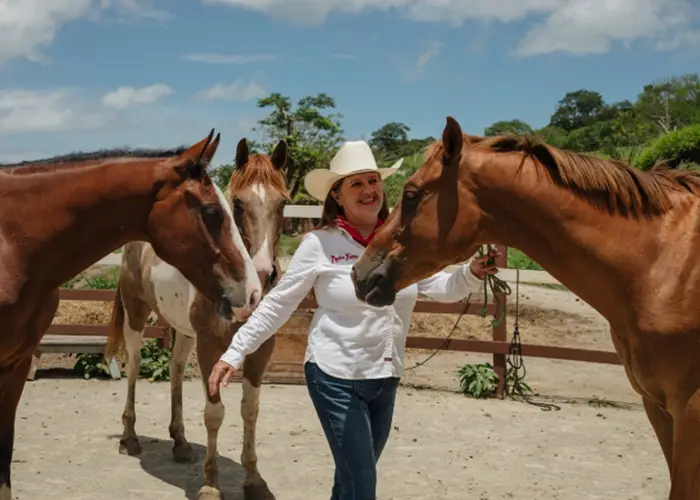
Hotel Belmar (Costa Rica)
Where sustainability is practiced in the open, not promised in the abstract.
More than four decades ago in Monteverde, Vera Zeledón began shaping what eco luxury hospitality could look like in Costa Rica. In 1979, while raising one- and three-year-old children, she and her husband started building Hotel Belmar with limited funds and an unwavering standard for care. The early years were demanding, yet the vision held. Hospitality would be inseparable from land, food systems, and community. In 2011 she launched Finca Madre Tierra, recognized as the country’s first certified carbon neutral farm, which now supplies the hotel and gives guests a living classroom in regenerative agriculture and humane animal husbandry. Her stewardship extends to culture through Celajes de Mi Tierra, the folkloric dance group she founded, so travelers meet Costa Rican tradition face to face.
“Sustainability is not a department. It is a promise to the place that shelters you and the people who make it home. When the soil is healthy, the food is honest. When the community is engaged, the story endures. The work is patient. The impact is generational. That is the hospitality I wanted to build and the legacy I hope others will carry forward.”
About Hotel Belmar
Set in Monteverde’s cloud forest, Hotel Belmar operates a transparent, closed loop model that ties guest experience to land and community. At its center is Finca Madre Tierra, recognized as Costa Rica’s first certified carbon neutral farm, which supplies organic ingredients and offers firsthand learning in low impact agriculture and compassionate animal care. On property, travelers connect through farm to table cuisine, craft beverages, forest trails, and programming that foregrounds biodiversity and local tradition. Independent verification in Costa Rica has certified Belmar and its farm carbon neutral, reinforcing a long stewardship that threads environment, culture, and design into daily practice. The result is refined hospitality that feels intentional, rooted, and genuinely regenerative for today’s travelers.
Renée Holten — Rooms Division Manager
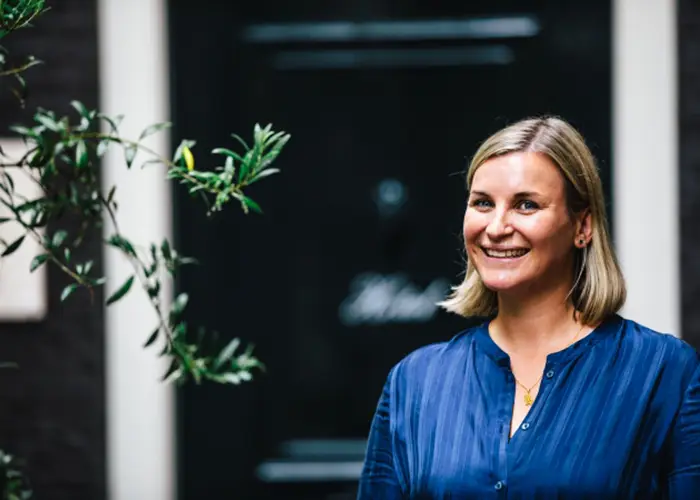
The Dylan Amsterdam (Netherlands)
Where ease is designed into every moment, so comfort arrives before the questions.
At The Dylan Amsterdam, Renée Holten leads a women powered operations core that treats guest comfort as a design practice. Working with long-tenured leaders Carol Domacassé in reservations and Anna Kulak in housekeeping, she aligns the cadence of service across departments, so attention feels intuitive rather than performed. The focus is clear, especially for women traveling solo. Privacy is protected without fanfare, timing and tone are tuned to remove friction, and support appears precisely when it should. As Rooms Division Manager, Renée builds habits and muscle memory that hold under pressure, then refines them until they read as quiet human ease. The result is a stay that feels personal, safe, and unhurried, created by a team whose best work rarely asks to be seen.
“The best hospitality leadership happens behind the scenes, rooted in care, empathy, and close collaboration. When guests feel completely at ease, it is the result of a team working together with shared attention and quiet understanding.”
About The Dylan Amsterdam
Behind a seventeenth century gate on Keizersgracht in the Nine Streets, The Dylan Amsterdam is an intimate, design forward hotel in two adjoining historic canal side buildings around a quiet courtyard. Inside, 41 rooms and suites span several contemporary styles, pairing tactile materials and crafted details with a calm, residential rhythm. Service leans toward discretion and personalization, tuned to making stays feel effortless and precise. The location places guests within an easy walk of Amsterdam’s cultural landmarks and neighborhood boutiques, while the hotel’s scale and plan foster privacy and ease of navigation. It is a composed base where conscious design and practiced hospitality make the city feel immediately accessible for exploration.
Sofía Mascotena — Founder & CEO
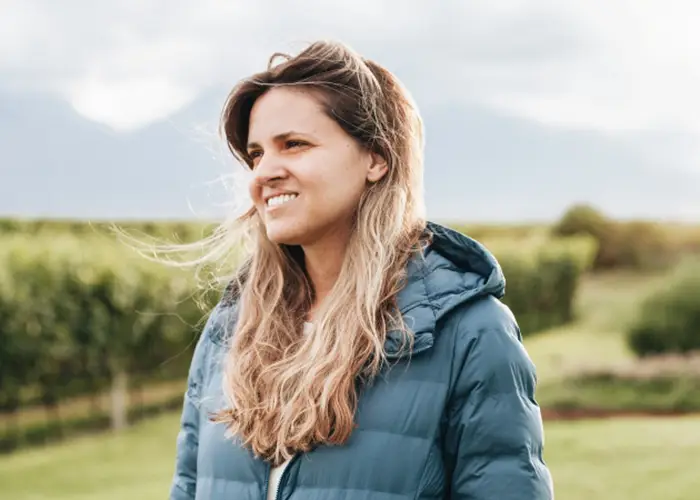
Naya Traveler (Global)
Where cultural immersion is planned with integrity, so discovery becomes connection.
Sofía Mascotena leads an all‑women agency that treats destinations as collaborations rather than commodities. At Naya Traveler, a women led team, including Jennifer McClymont in sales, María Recondo in operations, and Paula Espinoza in creative, designs bespoke journeys where safety, context, and meaningful encounters come first. Travelers might pursue solo routes in Japan or Morocco, or small groups centered on craft, culinary tradition, or wellness, so participation replaces consumption and curiosity leads. Sofía codes respect into the itinerary with trusted local partners, thoughtful pacing, and hosts who are artisans, cooks, and neighborhood guides. Guests return with more than photographs, carrying connection that outlasts the itinerary and the confidence to travel with greater care next time.
“Our work is to open doors with humility and make space for discovery. We design journeys where women feel fully supported to wander, learn, and be changed. The measure of success is not how many places a traveler sees. It is the quality of connection she carries home and the confidence she brings to her next horizon.”
About Naya Traveler
Naya Traveler is a boutique, women led agency that creates highly personalized journeys with integrity to place at the center. Each itinerary is developed with trusted local partners and emphasizes safety, context, and meaningful encounters, from studio time with artisans to guided walks through historic neighborhoods and kitchens where recipes are stories. A leadership team spanning sales, operations, and creative ensures continuity from planning to on the ground execution, with frameworks that support solo women travelers and small groups alike. The result is travel that is elegant, intentional, and deeply human, measured less by checklists and more by connection that endures long after the itinerary, and inspires future journeys forward.
Stefania Bettoja — Food & Beverage Manager & Designer
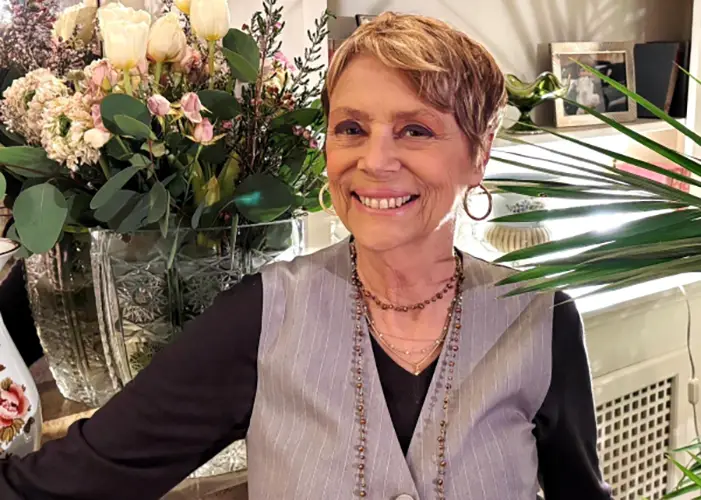
Bettoja Hotels (Italy)
Where a fifth‑generation family legacy is carried forward through cuisine, heritage, and thoughtful design.
At Bettoja Hotels, Stefania Bettoja helps steward one of Rome’s oldest family‑run hospitality groups, working closely with her relatives to carry a 150‑year legacy into its next era. With formative training at Sans Souci under Bruno Borghesi, she refocused the group’s culinary direction on seasonality and quality while honoring beloved classics like bollito and steak tartare. Her introduction of L’Angolo del Piemonte, featuring dishes from the family’s home region in northwest Italy, deepens the connection between guests and the Bettoja lineage through flavor and storytelling. As the group begins an 18‑month renovation cycle launching Spring 2026 across its three historic hotels, Stefania also contributes to design and guest‑experience updates, shaping public spaces where ease and coherence guide the evolution of a storied Roman icon.
“This anniversary is a tribute to our past, driven by the same passion that has guided five generations. Our focus is to modernize with care—protecting what makes Bettoja singular while shaping design and experiences that feel unmistakably of today.”
About Bettoja Hotels
Founded in 1875, Bettoja Hotels is a fifth‑generation, family‑owned group rooted in Roman hospitality across three historic properties: Hotel Massimo d’Azeglio, Hotel Mediterraneo, and Hotel Atlantico. Known for Art Deco interiors, heritage architecture, and the landmark Ristorante Massimo d’Azeglio, a member of Locali Storici d’Italia, the group begins a new 18‑month renovation cycle in late Spring 2026, blending structural upgrades with refreshed interiors to carry its legacy into a contemporary era of comfort and design.
As we celebrate Women’s History Month, these trailblazers remind us that travel is more than movement — it’s momentum. Their leadership, creativity, and courage are reshaping the industry into one that is more inclusive, more innovative, and more reflective of the diverse voices who explore our world. By championing new perspectives and pushing for meaningful change, they’re not only redefining how we travel today but also paving the way for the next generation of women who will shape the journeys of tomorrow.