Travel never ends when the sun goes down. In many cities across the world, it barely begins. With the fading daylight, the nightlife travel experiences start waking up. Streets transform under the glow of lights, and places reveal versions of themselves that don’t exist during working hours. The dark is not simply a backdrop for travelers, but rather an experience that shapes memory and connection.
Whether travelers are interested in food, music, or travel entertainment options like live dealer casinos that open their doors after dark, late-night experiences are central to how destinations are felt and remembered.
A City Changes After the Sun Goes Down
Cities operate on two parallel schedules. By day, they are all about efficiency. Offices, transport, checklists, and landmarks thrive. After sunset, they become more social and emotional. Travel after dark mostly becomes improvisational and transformational. The same street that feels hurried during the day feels more intimate and slowed down after hours.
At night, the pace of the city changes as well. Conversations last longer, strangers are more open, and locals reclaim spaces from tourists. Evening activities while traveling are far more honest and less curated. It’s because of all these transformations that global nightlife destinations see ever-growing interest from tourists.
A Cultural Expression
Nightlife is often reduced to clubs and bars. However, when you start looking at it as a cultural expression, it’s understood on a deeper level. City nightlife travel will expose you to various local values and cultures. Music genres, dress codes, and social rituals all vary from place to place.
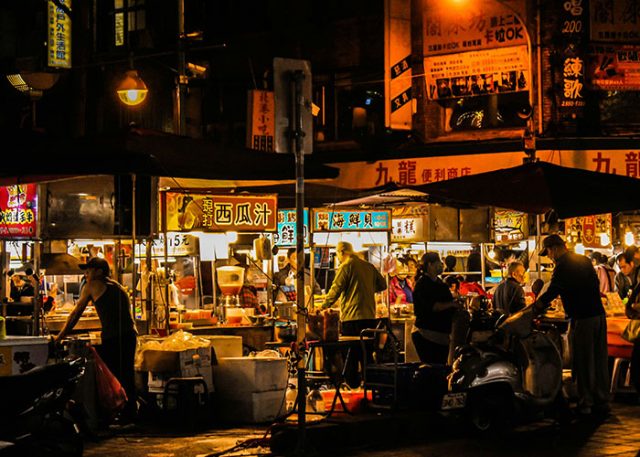
While some cities will expose you to world-class food and long conversations, others center around dancing until dawn. In the right destination, you don’t have to carry around healthy snacks with you either, as the street food scene and unique markets offer a completely different culinary experience than walking through a city during the day.
For travelers following a destination nightlife guide, the experience won’t be about excess, but about immersion. Sitting in a crowded cafe or walking through a market surrounded by glowing lights offers a sense of belonging that just can’t be achieved when the sun is up.
Memories in the Dark Last Longer
Ask anyone what they remember most about their travels, and most will recall late-night meals, getting lost in unfamiliar streets, or hearing music through open windows. All of these late night travel activities stay with people long after their trip ends. This is because the dark amplifies memory as emotions are heightened. As the distractions die down, the senses become sharper. A city’s skyline imprints far more strongly on one’s mind when it’s viewed in the dark, with lights and reflections taking center stage.
After-hour travel experiences aren’t always scripted either. You’ll run into kind strangers, head down unknown alleyways, and end up in places you may have missed during the day. All of these moments go far beyond typical travel lifestyle trends of shopping and engaging in fine dining. The spontaneity becomes a significant part of your travels, making them memorable.
How Technology Has Changed the Nighttime
Not so long ago, travel culture and entertainment were more centered around daytime activities. One reason for this was a lack of security and confidence. People wouldn’t feel safe walking alone after dark, or striking up a conversation with a stranger who didn’t speak their language. All that has changed, however, thanks to technological advancements that have broken barriers.
Modern technology has led to more immersive travel experiences that feel safer than ever. Ride-hailing apps and translation tools reduce uncertainty and boost confidence. Digital maps and real-time reviews add to the sense of safety. Social media has also changed how travelers view new places. Experiential travel destinations market themselves through night visuals like illuminated skylines, festivals, and rooftop views. Travelers seek out these destinations not only to document them but also to feel part of something they’ve viewed countless times on their phones.
The Economy After Dark
Cities with a vibrant and thriving nightlife often enjoy economic benefits. Late-night restaurants, cultural events, and entertainment venues create local jobs and extend tourism. A focus on the night economy has become one of the most important modern travel trends for cities across the world.
This translates into richer experiences and more options for people. It also changes how travelers relax at night after a long day of visiting museums and landmarks. Cities that invest in their after-dark culture feel more welcoming and dynamic. They not only offer things to see and digital entertainment while traveling but also places to be, where you can engage in conversation and new experiences.
Why Late-Night Trips Matters
To see a city during the day is to see it only in half. When the sun goes down, places breathe and celebrate. It makes people open up as their schedules loosen. This leads to a traveler getting chances to immerse themselves in the local culture and atmosphere, becoming a vital part of the city rather than just a visitor passing through.
Modern urban travel culture isn’t just about visiting high-profile landmarks and Instagrammable museums. It’s becoming increasingly about experiencing a place in its true form, whether that is sitting with the locals in an unknown cafe or walking down an unmapped alleyway to discover a hidden market. Travel downtime activities like these become memorable, they fulfil one’s curiosity, and lead to some of the most lasting parts of any journey.