
When people talk about adventure travel, the conversation often turns to altitude, speed, and risk. Trekking remote mountains, diving into deep waters, or navigating unfamiliar terrain all promise excitement.
However, they can also feel out of reach for many travelers. There is another path to discovery that offers equal depth without the physical danger: exploring a destination through its food and the way that food is prepared.
Culinary exploration transforms travel into something tactile and immediate. A dish carries history, geography, and memory, while the act of preparing it reveals techniques shaped by generations.
Even foods that feel universal, like pizza, pasta, and sandwiches, take on new meaning when experienced where they originated, prepared with local ingredients and traditions that rarely travel intact.
For travelers who feel hesitant about high-risk adventures, food offers an approachable way to connect with culture. The process of tasting, observing, and learning how meals are made creates a meaningful form of exploration.
This kind of journey invites curiosity rather than courage, and it often leads to a deeper understanding of daily life in the places we visit.
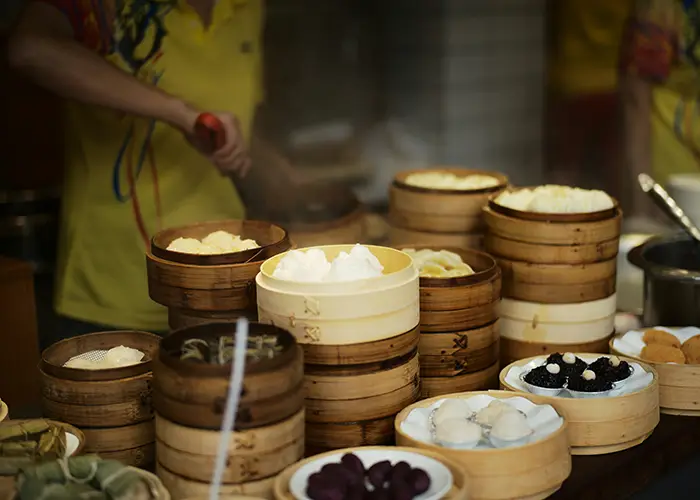
Local cuisine provides a direct introduction to how communities live and interact. Recipes reflect climate, trade, and history, while shared meals highlight social customs and values.
Something as familiar as pizza changes when encountered in Naples, where technique and ingredients carry centuries of tradition.
Likewise, the Francesinha in Porto tells a story through its layered construction and rich sauce, and the Monte Cristo reflects how culinary ideas evolve across regions.
In the Philippines, food culture is inseparable from everyday life. Dishes such as adobo, sinigang, lechon, and a wide array of kakanin speak to regional diversity and communal gatherings.
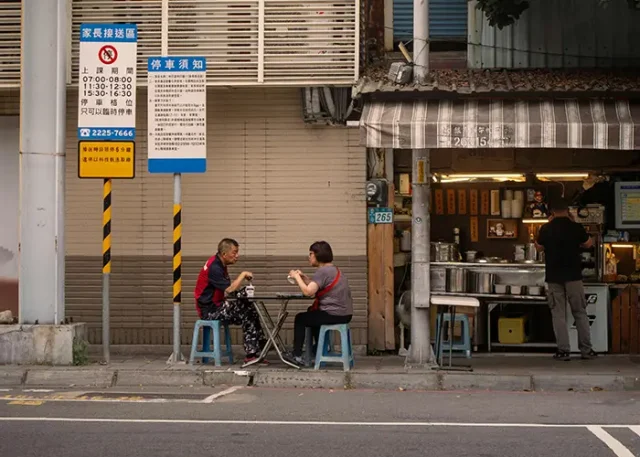
Markets, family kitchens, and roadside eateries all reveal how ingredients and techniques are passed down. For travelers, these spaces provide a window into routines and values that might otherwise remain unseen.
Cultural learning does not always require physical travel. Digital spaces can also reflect shared habits and communal interaction.
Platforms like the GameZone platform, a Filipino online casino environment, demonstrate how entertainment and social play intersect with everyday culture in the Philippines.
While distinct from culinary traditions, these virtual spaces echo the same principle: accessible experiences can reveal how people connect, socialize, and unwind.
Whether through food or games, cultural understanding often begins with participation in familiar, low-risk settings.

Preparation as the Real Experience
Tasting a dish introduces flavor, but watching it being made reveals intention.
Preparation techniques show how ingredients are handled, what tools are valued, and how time shapes the final result. In Italy, for example, making pasta by hand or stretching pizza dough communicates patience and precision.
Participating in these processes, through cooking classes, market tours, or casual observation, creates a more immersive form of travel.
Each step in preparation reflects local priorities: freshness, efficiency, celebration, or tradition. These experiences are engaging without being physically demanding, allowing travelers of varying comfort levels to participate fully.
Markets are especially revealing. Watching vendors select produce, observing how meats and spices are handled, and seeing how recipes come together offers context that cannot be captured in a menu description alone.
Preparation becomes an accessible form of adventure, where discovery happens through interaction rather than risk.
A Different Kind of Thrill
Adventure does not have to involve danger to feel meaningful. Culinary exploration offers its own form of excitement: unfamiliar flavors, new techniques, and conversations with people who take pride in their food traditions.
While extreme travel experiences continue to attract adrenaline seekers, food-focused journeys appeal to a broader audience because they are inclusive and adaptable.
There are still considerations to keep in mind. Travelers may encounter unfamiliar ingredients, dietary restrictions, or hygiene differences.
Staying informed and attentive ensures that culinary exploration remains safe and enjoyable. Compared with physically risky activities, however, the barriers are relatively low.
Engaging responsibly with local food culture also supports communities. Choosing locally run eateries, respecting preparation methods, and learning about ingredient sourcing helps preserve culinary traditions.
This approach turns travel into an exchange rather than a spectacle, where curiosity and respect guide the experience.
Travel in Good Taste
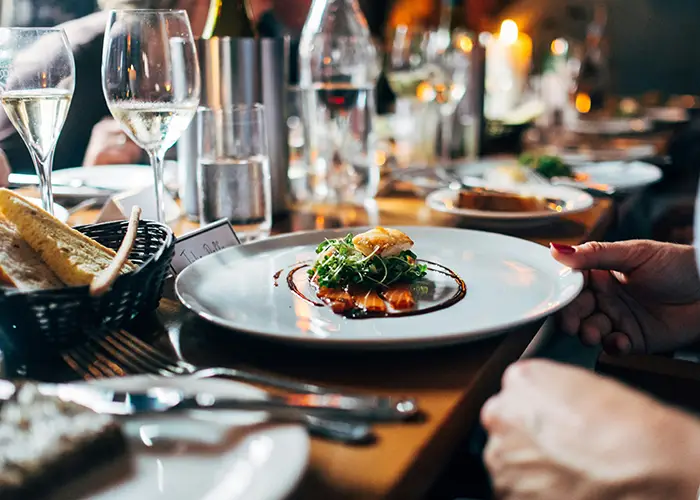
Food offers a form of travel adventure that is both grounded and expansive. Through meals and preparation techniques, travelers gain insight into history, community, and identity.
Exploring how food is made encourages a slower, more observant style of travel. It shifts attention away from risk and toward understanding, allowing travelers to connect with people and traditions in a meaningful way.
Adventure, in this sense, becomes less about conquering landscapes and more about engaging with culture through everyday experiences.
Not every journey requires extreme conditions or daring feats. Sometimes the most memorable discoveries happen in kitchens, markets, and dining tables, spaces where culture is lived and shared openly.
For those seeking exploration without intimidation, food and its preparation provide a path that is both safe and deeply rewarding.
Q&A
Q: What makes culinary travel feel adventurous?
A: It introduces unfamiliar flavors, preparation techniques, and cultural practices, creating discovery through sensory and social experiences rather than physical risk.
Q: Is food-focused travel suitable for hesitant travelers?
A: Yes. It allows meaningful engagement with a destination while remaining accessible and low-risk compared with extreme travel activities.
Q: Why is preparation important to cultural learning?
A: Preparation reveals techniques, ingredients, and traditions that reflect local values and history, offering deeper context than simply tasting a dish.
Q: Are there any risks to food-based travel?
A: Minor risks include allergies, hygiene differences, and unfamiliar ingredients. Awareness and preparation help mitigate these concerns.
Q: How can travelers engage respectfully with local food culture?
A: Support local vendors, observe preparation methods with respect, ask questions thoughtfully, and remain open to learning about traditions and ingredients.