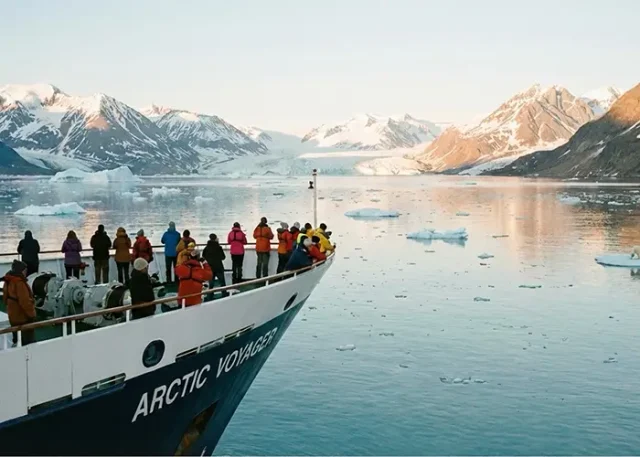
Arctic expedition planning demands understanding the fundamental differences between destinations, seasonal timing, and activity options that determine expedition quality. Unlike Antarctic voyages where most itineraries focus on the Peninsula region, Arctic expeditions span diverse territories from Svalbard’s polar bear habitat to Greenland’s massive fjord systems and Iceland’s volcanic landscapes. Each destination offers distinct wildlife, scenery, and exploration opportunities during the brief Arctic summer season from May through September when conditions permit expedition vessel access.
Selecting an Arctic expedition requires matching destination characteristics with personal interests and physical capabilities. Poseidon Arctic expedition itineraries combine multiple Arctic regions into comprehensive voyages, enabling travelers to experience Spitsbergen’s wildlife concentrations, Northeast Greenland National Park’s remote fjords, and Iceland’s dramatic coastlines within single expeditions. This multi-destination approach maximizes value while working within the constraints of Arctic weather patterns and ice conditions that govern where vessels can safely operate.
This practical guide addresses the essential planning considerations Arctic expedition travelers need: destination-specific information, wildlife viewing expectations, optimal travel timing, activity requirements, and preparation recommendations. Understanding these elements enables informed decisions about itinerary selection and ensures expectations align with actual expedition experiences.
Arctic Expedition Destinations: Svalbard, Greenland, and Iceland
The Arctic encompasses vast territories with dramatically different characteristics. Understanding destination specifics helps travelers select expeditions matching their interests and expectations.
Key Arctic expedition destinations include:
- Svalbard (Spitsbergen): Norwegian archipelago positioned between mainland Norway and the North Pole, offering some of the Arctic’s highest polar bear concentrations, dramatic tidewater glaciers calving into protected fjords, massive seabird colonies on coastal cliffs, and historic exploration sites including Ny-Ålesund research station
- Northeast Greenland National Park: World’s largest national park covering 972,000 square kilometers, featuring extensive fjord systems penetrating deep into mountainous interiors, colossal icebergs from tidewater glaciers, musk oxen populations on coastal plains, and minimal human presence in one of Earth’s most remote regions
- Iceland: Gateway destination offering volcanic landscapes including active geothermal areas, dramatic waterfalls and rugged Westfjords coastline, opportunities to view northern lights during early and late season expeditions, and cultural sites representing Nordic Arctic heritage
- Combination itineraries: Multi-destination expeditions departing Longyearbyen (Svalbard) and concluding in Reykjavík (Iceland) or vice versa, typically 12-14 days covering 2-3 major Arctic regions
Svalbard expeditions operate from early June through September, with July and August providing optimal conditions for wildlife viewing and zodiac operations. The midnight sun period from April through August offers 24-hour daylight enabling flexible activity scheduling. Greenland access depends heavily on pack ice conditions, with late July through early September generally providing the most reliable access to Northeast Greenland National Park’s fjord systems. Iceland remains accessible throughout the Arctic season, though northern lights viewing requires September departures when darkness returns.
Temperature expectations vary significantly by location and timing. Svalbard summer temperatures typically range from 3-8°C (37-46°F), though conditions feel colder with wind chill during zodiac operations. Greenland temperatures remain near freezing even in summer, with coastal areas slightly warmer than interior fjord regions. Iceland’s coastal temperatures generally range 8-12°C (46-54°F), moderating the overall expedition climate for multi-destination itineraries.
Wildlife Viewing: Species, Seasons, and Photography Tips
Arctic wildlife viewing differs fundamentally from Antarctic experiences through greater species diversity and the challenges of spotting animals across vast landscapes rather than concentrated colonies. Understanding which species inhabit specific regions and when viewing opportunities peak enables realistic expectations and maximizes expedition value.
Polar Bears and Marine Mammals
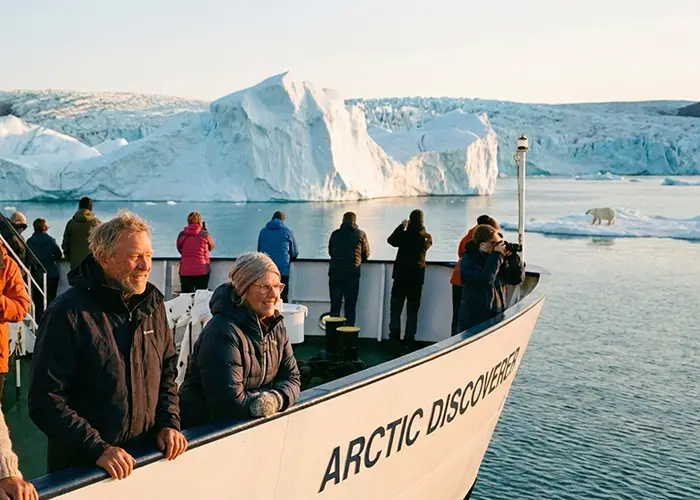
Polar bears represent the signature Arctic wildlife experience, though sighting frequency depends on location, timing, and ice conditions. Research conducted by Polar Bears International indicates Svalbard hosts approximately 3,000 polar bears, creating one of the world’s highest concentrations relative to accessible territory. Peak viewing periods occur from late June through August when bears hunt seals along ice edges and concentrate near walrus haul-out sites.
Spotting polar bears requires vigilance and patience. Expedition teams scan constantly during zodiac cruising and shore landings, with sightings ranging from distant observations across ice floes to closer encounters when bears approach coastlines. Norwegian regulations now require 300-meter minimum distances from polar bears year-round (500 meters March-June), emphasizing non-invasive observation that prioritizes animal welfare over close-up photography.
Arctic wildlife viewing opportunities include:
- Walrus haul-outs: Large concentrations on beaches and ice floes, primarily in Svalbard, offering extended observation periods as these massive pinnipeds rest between feeding sessions
- Arctic foxes: Opportunistic predators frequently observed near seabird colonies where they scavenge eggs and chicks, displaying remarkable fearlessness around humans
- Musk oxen: Prehistoric-looking herbivores inhabiting Greenland’s coastal plains, often observed in small herds with impressive defensive formations when approached
- Whales: Multiple species including humpback, minke, fin, and occasionally beluga and narwhal in Greenland waters, requiring patience and constant scanning
- Seabirds: Massive cliff colonies featuring little auks, guillemots, puffins, and kittiwakes creating spectacular photography opportunities
- Reindeer: Svalbard’s endemic subspecies, smaller than mainland populations, frequently encountered during shore excursions
Essential Activities and Expedition Preparation
Arctic expeditions emphasize active participation through diverse activities requiring varying physical capabilities. Understanding activity requirements and preparation needs ensures travelers select appropriate expeditions and arrive properly equipped.
Core Arctic expedition activities include:
- Zodiac cruising: Daily operations exploring coastlines, approaching ice edges, and positioning for wildlife photography, requiring ability to board inflatable boats from ship gangways and tolerance for potentially choppy conditions
- Shore landings and hiking: Excursions across tundra, rocky beaches, and historic sites, typically 2-3 hours duration with terrain ranging from flat coastal areas to moderate hillside ascents
- Kayaking programs: Optional small-group paddling in protected waters near glaciers and icebergs, requiring previous kayaking experience and physical fitness for 2-3 hour sessions
- Polar photography workshops: Onboard instruction and field guidance from professional photographers, valuable for maximizing limited Arctic wildlife encounter opportunities
- Expedition lectures: Educational presentations covering Arctic ecology, geology, exploration history, and conservation topics from expert naturalists
According to WWF Arctic, the Arctic ecosystem faces significant climate change impacts affecting wildlife populations and ice conditions. Understanding these conservation challenges enriches expedition experiences by providing context for observed environmental changes and wildlife behaviors.