The first thing you notice in Portugal is how walkable the days feel once you slow down. Sidewalk cafés spill into plazas, and even big cities invite you outside early. It makes sense that many first visits end up including a few days on foot.
Once you start looking at routes, comfort becomes the deciding detail, not bravado. Many travelers use Top Walking Tours Portugal when they want hiking days with luggage transfers, meals, and four star stays. It keeps the experience calm, even when your legs are still learning the rhythm.
Pick A Region That Matches Your Pace And Season
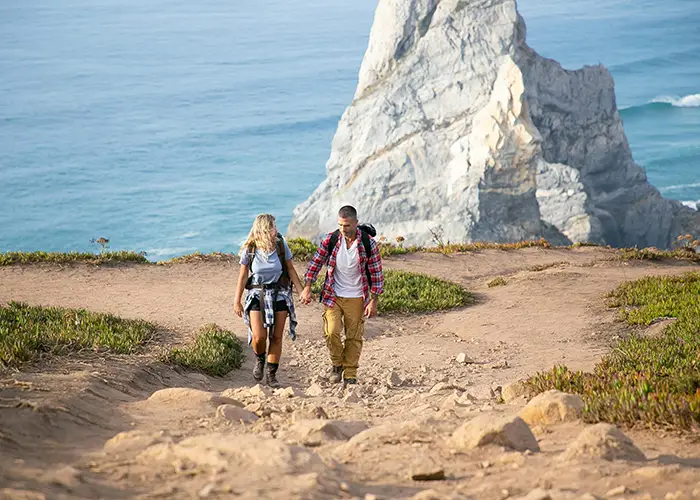
Portugal gives you very different walking days depending on where you start and when you arrive. The Algarve tends to be bright and open, while the north can turn cooler and greener fast. If you are new to multi day hiking, coastal or river valley routes often feel friendlier.
Protected areas also come with rules, closures, and local notices that change with weather and fire risk. The Institute for Nature Conservation and Forests posts updates tied to places inside national parks, including areas within Peneda Gerês, and it is worth checking before you commit to dates. A quick scan of the ICNF park updates helps you avoid arriving during a restricted period.
A simple first trip plan usually lands well with five to eight walking days. You get enough time to settle in, yet you still keep energy for food, towns, and beach afternoons. Longer routes can be great later, once you know how your body handles back to back climbs.
Know What “Comfortable” Really Means On A Walking Tour
On a Portugal hiking tour, comfort is mostly about spacing, surfaces, and recovery time. A day with rolling lanes and a long lunch break can feel easy, even at 15 kilometers. A day with rocky descents can feel tough, even when the map looks short.
This is also where guided versus self guided starts to matter in a real way. Guided trips add local context, while self guided trips add flexibility for slow mornings and longer café stops. Either way, the best tours tend to handle the boring details, like route notes, luggage moves, and check in timing.
Most first timers do better when they plan for one lighter day every three days. That can mean a short loop, a town stay, or a rest day with a museum visit. It is not about training, it is about keeping the trip enjoyable through the final day.
Use Maps And Trail Notes The Same Way You Use A Weather App
Even on well known routes, the small details shapes how a day feels. A “15 kilometer” walk can mean smooth lanes and gentle grades, or it can mean loose stones, steep steps, and a slow final hour into town. That is why it helps to check your map in the morning, then again around lunch, so you can pace climbs and save energy for later.
Good trail notes also reduce the little stress moments that creep in on a first trip. You learn where the next water stop is, which turn tends to confuse people, and whether the last stretch is exposed to wind. Small details, but they add up. Treat your maps as a quick daily habit instead and the whole day stays calmer.
Pack For Small Changes In Weather, Not Worst Case Drama
Portugal can shift from warm sun to cool wind in the same afternoon, especially near the coast. Layers matter more than bulk, and quick drying pieces save space. Shoes matter most, because blisters can turn a lovely route into a long day.
If you want a quick refresher, Drift’s notes on must have hiking items line up well with what first timers forget. Their checklist pairs nicely with a simple system, where every item earns its spot.
Here is a packing setup that fits most first visits without feeling heavy:
- Two walking tops that dry fast, plus one warmer layer for evenings
- A light rain shell, because showers can pass through without warning
- Blister care, including tape and a small ointment you already tolerate well
- A reusable water bottle, plus a small snack you actually enjoy eating
- A daypack that sits flat on your back when you climb and sweat
If you like checklists, packing tips for your trip will be helpful for keeping track. It is the kind of reminder that prevents duplicate chargers and missing socks.
Plan Your Days Around Food, Water, And The Quiet Hours
Walking in Portugal is easier when you work with local timing instead of fighting it. Many towns go quiet around midday, then lively again in the evening. That rhythm pairs well with an early start, a long lunch, and a later dinner.
Marked routes and approved footpaths are common, and official tourism resources explain how many of these walks are signed and maintained. The national tourism guidance on walking routes is a solid reference when you want context on path types.
Water is the other quiet planning detail that keeps days pleasant. In hotter months, you want an easy refill plan that does not depend on one shop staying open. A good tour brief usually notes fountains, cafés, and the stretches where you should carry extra.
A Calm Finish That Makes The Next Trip Easier
By the last day, most first time hikers notice something pretty simple: Portugal tends to reward steady pacing more than big ambitions. When the route fits your comfort level, you spend less time fussing with sore feet and more time enjoying small towns, fresh pastries, and those quiet viewpoints that sneak up on you. It also feels easier when the logistics are already sorted, because you can just walk, eat well, and let your body recover each evening without doing mental math.
The takeaway is usually three small choices that add up. A region that matches the season sets the tone for comfortable days, and realistic distances protect your mood, even when the terrain gets choppy. Portugal can change its mind in an afternoon, so a relaxed approach to weather shifts goes a long way too. Add in a lighter day every few days, and you finish with energy left, plus a trip you can picture doing again later, maybe on another coastal stretch or somewhere greener inland.