
There is a moment — usually around aperitivo hour, when the Ionian Sea turns the color of hammered copper and the silhouette of Mount Etna rises above the rooftops like a sleeping giant — when Taormina stops being a destination and becomes something closer to a feeling. This ancient hilltop town perched on the slopes of Monte Tauro has been seducing travelers since the days of Goethe and D.H. Lawrence, and it shows no signs of losing its touch.
What has changed is the caliber of experience available to those who come prepared to indulge. Today’s Taormina is a place where Michelin-starred tasting menus sit alongside centuries-old baroque churches, where wellness retreats overlook one of the world’s most active volcanoes, and where the concept of luxury travel has been elevated to something genuinely extraordinary.
The Art of Arrival
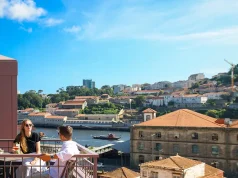
Arriving in Taormina correctly is its own kind of pleasure. Most visitors fly into Catania Fontanarossa Airport, less than an hour away by road. A private transfer winds through lemon groves and seaside towns before climbing the switchbacks that lead to the hilltop center. That first view of the town from the Porta Catania, with the Teatro Greco framing the distant blue horizon, never loses its power.
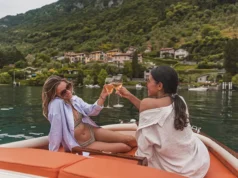
The alternative arrival is by private yacht into the Bay of Naxos below, where tenders ferry guests up to Mazzarò Beach before a swift funicular ride delivers them to Corso Umberto — the town’s pedestrian spine lined with boutiques, wine bars, and artisan ceramic shops.
Where to Stay
Taormina’s luxury accommodation scene is anchored by a handful of legendary addresses. The Grand Hotel Timeo, a Belmond property, is perhaps the most storied — a nineteenth-century villa where terraced gardens cascade toward the Greek Theatre next door. Suites feel like private apartments in an aristocrat’s summer palace, complete with hand-painted Caltagirone ceramics and panoramic balconies.
A short walk away, the San Domenico Palace — now managed by Four Seasons — occupies a former fourteenth-century Dominican monastery and represents one of the brand’s most architecturally significant European properties. The cloister garden, with its original frescoed arches and ancient stone fountain, is one of those spaces that seems to exist outside of time. The hotel’s rooftop restaurant offers a tasting menu that reads like a love letter to the island’s volcanic soil: pistachios from Bronte, capers from Pantelleria, blood oranges from the slopes of Etna.
The Table Is Set: Culinary Taormina
Sicilian cuisine is one of Italy’s most distinctive regional traditions, and Taormina sits at the refined edge of that conversation. The dining scene ranges from elegant rooftop restaurants serving updated interpretations of classic Sicilian recipes to exceptional trattorias tucked down cobbled alleys where the pasta is rolled fresh each morning.
Etna Rosso deserves particular attention. Made primarily from the Nerello Mascalese grape grown in high-altitude lava-soil vineyards, these wines have attracted serious international attention over the past decade. Wine-focused stays in the area frequently include guided tastings at the region’s top producers — a deeply immersive experience for those who appreciate how dramatically a volcanic terroir can express itself in a glass.
The morning ritual is equally important. Breakfast in Taormina means brioche col tuppo filled with granita made from local almonds, pistachios, or seasonal citrus. Consumed while watching the town wake up from a café terrace, it is one of those simple pleasures that somehow manages to feel extravagant.
Wellness and Slow Living
The concept of wellness has taken deep root in Taormina, and the town’s luxury properties have responded accordingly. The finest spas take their cues from the volcanic landscape — using thermal muds, mineral-rich waters, and locally sourced botanicals to create treatments that feel genuinely connected to place.
For those who prefer their relaxation horizontal, Taormina’s beach club culture at Isola Bella — the small island connected to the Mazzarò shoreline by a narrow sandbar — is a refined affair. Sun loungers are arranged with precision, cocktails arrive without being summoned, and the water is a shade of turquoise that makes every other beach you have ever visited feel slightly inadequate.
The Volcano Next Door
No visit to Taormina can be considered complete without an encounter with Mount Etna, Europe’s most active stratovolcano and the dominant presence on the Sicilian skyline. Visible from almost every terrace and piazza in town, Etna is not merely a backdrop — it is an active participant in the Taormina experience.
The most memorable way to approach it is through a private guided Mt Etna excursion that balances authentic adventure with the comfort and service standards luxury travelers expect. A well-organized departure begins in the early morning from Taormina, with a knowledgeable local guide collecting guests directly from their hotel. The ascent passes through successive zones of volcanic landscape — from orange groves and vineyards at lower altitudes, through ancient lava fields colonized by silver birch forests, to the stark, otherworldly terrain of the summit craters above 3,000 meters.
Standing at the edge of an active volcanic crater — sulfur in the air, steam rising from fumaroles, the entire coast of Sicily laid out beneath you — is the kind of moment that recalibrates your sense of scale and wonder. The best operators combine volcanic geology with local storytelling and Etna wine culture, understanding that the journey matters as much as the summit.
Returning to a five-star hotel after a morning on the volcano — dusty boots exchanged for slippers, a Negroni waiting on the terrace — is perhaps the perfect expression of what makes this part of Sicily so compelling. It is the rare destination that satisfies the appetite for both sublime comfort and genuine adventure within a single day.
Ancient Theatre and Living Tradition
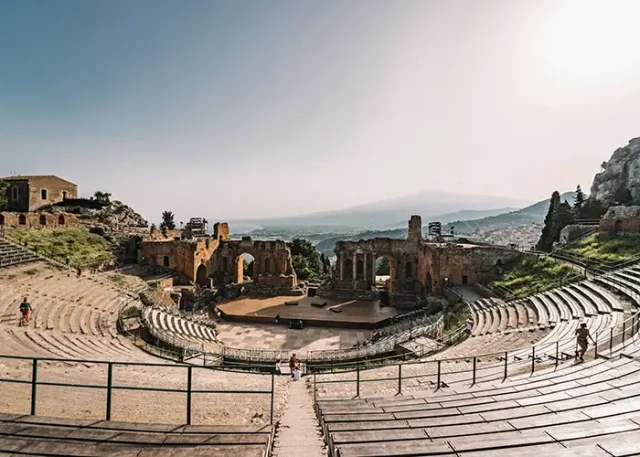
Taormina’s cultural calendar is among the most distinguished in southern Italy. The Teatro Antico, a Greco-Roman theatre dating to the third century BC and one of the best-preserved in the world, becomes an open-air concert venue each summer, hosting international opera productions, jazz festivals, and film screenings against the backdrop of Etna and the sea. Attending a performance here is not merely entertainment — it is a communion with history.
The town’s smaller cultural pleasures reward equally. The medieval warren of streets between the Porta Messina and the Greek Theatre — largely unchanged since the baroque period — invites slow, purposeful wandering: a sun-drenched courtyard, a ceramics studio where artisans have been painting cobalt-blue patterns for generations, a family producing handmade pasta behind an unmarked door.
When to Go
The ideal window runs from late April through June and from September through October, when the light is extraordinary, crowds are manageable, and temperatures hover in the low-to-mid twenties. The golden autumn months, when harvest is underway in the vineyards on Etna’s slopes and the light turns amber across the ancient stones, may represent Taormina’s finest hour.
However you time your visit, Taormina rewards the traveler who arrives with curiosity, appetite, and a willingness to let a place operate on its own terms. The Greek Theatre was built facing the volcano for a reason — to remind its audience that they were participants in something larger than themselves. Two and a half millennia later, that instinct remains the most persuasive argument for coming here at all.
Taormina is located on the eastern coast of Sicily, approximately 45 minutes from Catania Fontanarossa Airport. Private transfers, helicopter arrivals, and yacht charters are all available. Etna excursions typically depart in the early morning and return by early afternoon, leaving the rest of the day free for spa, dining, and the beach.