

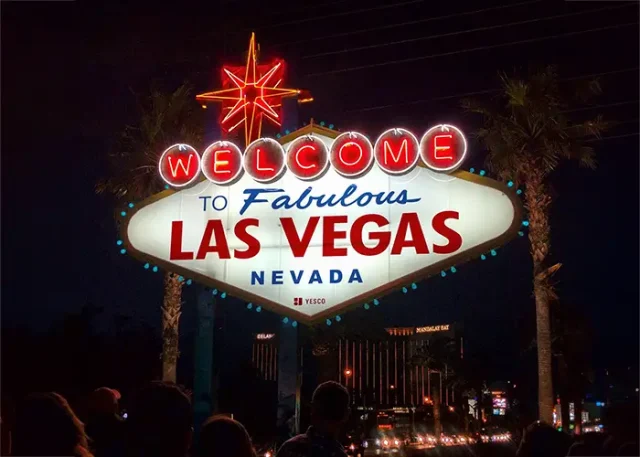
Las Vegas has always served a purpose beyond being a well-known gambling spot. It has served as a signal for larger casinos to travel all over the United States. When visitation is high, room rates soar, conventions fill up the calendar, and gaming floors remain busy, the industry at large interprets that as evidence that the destination-casino model is healthy. But when Las Vegas shows signs of strain, the effect goes well beyond Nevada. Operators, investors and tourism planners throughout the country start to ask more pointed questions about what travelers still want from a trip to the casino and how much they’re willing to pay for it.
That’s why tourism in Las Vegas is so important. It is forcing a broader rethink of the assumptions that have governed casino travel for years. For destination markets throughout the nation, from regional resort corridors to integrated entertainment properties, the dialogue is moving away from expansion and towards sustainability, value, and adaptability. Even for the traveller who is comparing regulations, booking options and US gambling laws before planning a trip, the greater issue is becoming less about whether the classic casino-resort formula fits today’s leisure habits.
Las Vegas Always Was the Barometer of the Industry
Las Vegas is in a unique position in American travel because it is at the crossroads of the gambling, hospitality, entertainment, and dining industries, as well as large outdoor events. It is not just a place where people go to gamble. It is a test case of whether consumers still believe in the lure of the all-in-one destination experience. If travelers start pulling back in a city designed to attract discretionary spending, that sends a message to the rest of the casino industry, and it’s not a pleasant one.
For years, many operators used the Vegas model as the blueprint. Build bigger properties, expand the non-gaming offer, improve the quality of the experience and trust demand would follow. That kind of approach made sense in a place where travel was aspirational in the market and the integrated resort was able to sell itself as a complete escape. But when there are signs of slower visitation or greater consumer caution, the weaknesses of that model become harder to ignore.
A destination can have world-class amenities, but it can still struggle if travelers begin to question the value equation. That is the actual meaning of any Las Vegas slowdown. It implies that the issue is not necessarily a lack of attractions. There could be a widening gap between what operators wish to charge and what travelers think the experience is worth.
The Old Model was Based on Pricing Power
For a long time, major casino destinations enjoyed a simple assumption: if the property was made more upscale, more immersive, and more entertainment-driven, guests would pay the increased costs. Resort fees, premium dining, dynamic hotel pricing, expensive live events, and upselling became common features of the business. Gambling was still the centrepiece, but the economics were increasingly reliant on extracting more value from visitors over the length of their stay.
That strategy worked well when demand was perceived as deep and resilient. But it also caused fragility. Once the traveler became more price-sensitive, the price of the full casino-resort experience began to resemble less a luxury and more a negotiation. A trip that used to be spontaneous now needs more justification. Hotel rates, the cost of food, transportation, entertainment tickets, and game budgets all compete for the same wallet.
When Vegas is feeling that pressure, the rest of the country feels it. Regional casino destinations may not operate at the same scale, but many have adopted the logic. They invested in hotels, restaurants, nightlife and event programming to make themselves something more than gambling venues. That diversification would create resilience. Instead, it may now be exposing more properties to the same consumer skepticism.
Travelers Want Flexibility – Not Just Scale
One of the clearest lessons of a softer environment in Vegas is that today’s traveler, perhaps, is more interested in flexibility rather than spectacle. The old destination-casino model assumed that people would be committed to a massive and expensive multi-day experience. Increasingly, however, many leisure consumers are seeking shorter trips, simpler spending choices, and those that are more easily controlled financially.
This causes a problem for casino operators who built around maximum on-property capture. The more a resort relies on people staying longer and spending across multiple verticals, the more vulnerable it becomes when travelers shorten their trips. For businesses, a shorter stay means less restaurant revenue, fewer show tickets sold, and less discretionary gaming spending. Even a small change in consumer behavior can have a ripple effect across the entire property.
Across America, this is forcing casino travel businesses to reconsider what kind of trip they are really selling. Is the aim still to create a grand destination escape, or should operators concentrate more on convenience, accessibility, and repeatability? In the more cautious climate of travel, that distinction is important.
Regional Markets Can No Longer Assume They Are Safer
It would be easy to assume that only Las Vegas is subject to this kind of pressure because it is so reliant on large-scale tourism. But the larger point is that no casino travel market is immune to shifting leisure behaviour. Regional casinos have often felt shielded by proximity and convenience. Yet they also face increasing competition from online gambling and sports betting and other forms of digital entertainment that make physical travel less necessary.
If consumers can gamble, watch the sporting events, and entertain themselves from home, then every destination casino has to work harder to justify the trip. That doesn’t mean travel-based casino demand goes away. It means the value proposition has to become sharper. Properties can no longer rely on larger buildings and broader amenities to equate to a stronger appeal.
This is why Vegas is important on the national level. When the most famous casino destination in America shows signs of vulnerability, it serves as a reminder to every other market that the traditional resort playbook is no longer guaranteed to work.
Casino Travel Will Rely on Value
The next phase of casino travel in America will probably be less defined by size and more balanced. Operators will still need compelling properties and great entertainment offers, but they will also need to demonstrate that the experience is worth the total cost. That means thinking more carefully about pricing, length of stay, customer loyalty, and the role gambling plays in a broader travel decision.
Las Vegas is not going away, nor is casino tourism. But when Vegas sneezes, the rest of the industry pays attention because it shows where the old model may be losing strength. The message is not that casino travel is done. It is time for the industry to no longer rest on inertia, prestige, or growth alone.
Across the country, that realization is starting to shape how casino destinations think about growth. The question is no longer just how to construct bigger or charge more. It is how to be relevant in a travel market where consumers have become more selective, more cautious and far less willing to pay for an experience that does not clearly deliver value.