
The Galapagos Islands exist as an extraordinary travel destination because they provide visitors with an exceptional experience that combines adventuring through natural environments and exploring remote areas that hold scientific value. The Pacific Ocean archipelago was discovered over 485 years ago because people found its remote islands, which showcase their unique geological features, diverse biological life,e and historical heritage.
Luxury Travel in the Galapagos
The Galapagos can be explored in a way that blends adventure with comfort. A luxury Galapagos cruise offers an especially compelling way to see the archipelago, allowing travelers to move between islands while enjoying a refined travel experience. Private holidays in the Galapagos Islands offer another way to discover the destination with a greater sense of flexibility and intimacy.
The luxurious travel experience here attracts visitors through its amenities and its ability to provide transportation access to all areas of the destination. The elevated travel experience allows visitors to view native animal species and explore the volcanic landscape. The combination of deep engagement with the destination and high-end travel experience creates an attractive travel experience to the Galapagos Islands for sophisticated travelers.
A One-of-a-Kind Archipelago in the Pacific
The Galapagos Islands sit about 1,000 km (621 miles) off the coast of Ecuador, far from the mainland and shaped by extreme isolation. That remoteness has played a major role in preserving the islands’ character and creating the conditions for a remarkable ecosystem.
Powerful ocean currents converge around the archipelago, and together with the islands’ unique geography, they have helped form a natural world that differs dramatically from most other places on Earth.
This isolation matters. It is one of the reasons the Galapagos remains so important for both travelers and scientists. The islands are not simply scenic; they are ecologically distinct. Their volcanic landscapes, cooler waters, and low rainfall have helped shape an environment that supports species and habitats found nowhere else.
A Destination Where Science and Adventure Meet
The Galapagos has long been recognized as one of the most astonishing places on Earth because it brings together science, evolution, and adventure in a single destination. Travelers do not come here just to relax. They come to witness an environment that has influenced the way the natural world is understood.
The Galapagos Islands achieved their famous historical status because they served as the inspiration for Charles Darwin to develop his theory of evolution through natural selection. Darwin studied the islands’ diverse species because he wanted to understand how the islands’ species differed from their mainland counterparts. Those observations became central to a scientific breakthrough that changed how life on Earth is understood.
Why the Galapagos Is Still an Adventure
The Galapagos Islands provide Earthmost adventurous experience because visitors can discover its untouched natural environment. The islands’ volcanic terrain, their unique animal species, and their isolated location combine to create a discovery experience that no other place can provide.
Travelers on a luxury Galapagos cruise or private Galapagos tour can explore the islands through their special access points while enjoying their comfortable travel experience. The experience of adventure does not require fast movement or abundant resources. The special thing about the experience occurs when people get close enough to see something unusual.
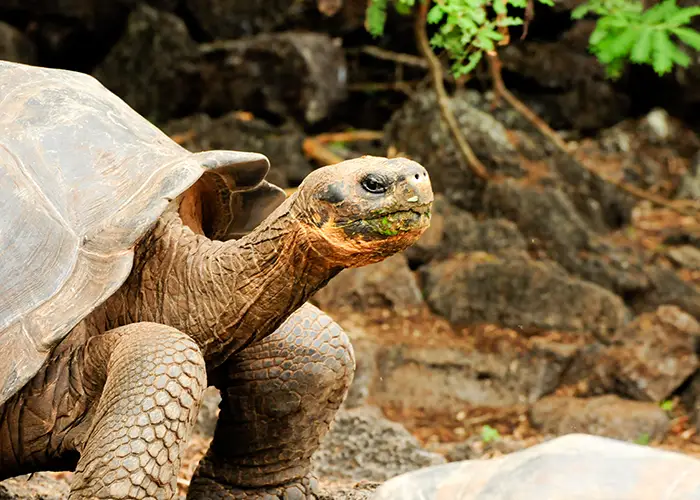
Visitors can encounter endemic species up close and see volcanic landscapes that exist nowhere else in the world. The attraction of the experience comes from its combination of rare elements, which create a direct experience of the island chain’s extended environmental narrative.
UNESCO World Heritage Status and Global Recognition
The Galapagos Islands were recognized as a UNESCO World Heritage Site in 1978. This designation reflects the islands’ extraordinary value as one of the planet’s most unique ecosystems. Their significance is tied not just to beauty, but to their geological and biological importance.
The archipelago’s volcanic origins, remote location, and isolated climate have created conditions that support a natural world unlike any other. In 1984, the Galapagos was also declared a Biosphere Reserve, further underscoring its global importance. These recognitions highlight the islands’ role as a place of conservation, scientific interest, and natural wonder.
The Role of Climate and Geography
The Galapagos ecosystem exists because of a combination of factors that are unusual even by island standards. The archipelago’s volcanic formation, isolated climate, scarce rainfall, low humidity, and cooler waters all contribute to its distinct environment. These conditions have helped create a landscape and marine setting that supports species and habitats found nowhere else.
This is one reason the islands continue to fascinate both explorers and scientists. The environment is not static. It is the result of powerful natural forces working together over time. The same geographic isolation that helped preserve the islands also made them a place of remarkable biological development.
Why the Galapagos Is Earth’s Greatest Adventure
- The Galapagos Islands exist as one of the most distant natural environments on Earth. Their location lies 1,000 kilometers away from Ecuador.
- The island’s volcanic origins produce a unique geological formation that exists nowhere else on Earth.
- Charles Darwin’s research here provided the foundational evidence that led to the development of evolutionary theory through natural selection.
- The endemic species of the area prosper because of three factors, which include their geographical separation, the ocean currents, and the specific climatic conditions of the region.
- The site received UNESCO World Heritage status.
- Site designation and Biosphere Reserve status to demonstrate its significance as a protected area of international importance.
- The region’s natural environment exists as a unique ecosystem that results from the interaction between its geographical features, climatic conditions, and its oceanic systems.
The Galapagos Islands offer visitors their best experience through luxury cruises, which enable them to visit different islands while observing wildlife and volcanic landscapes during their trip.