

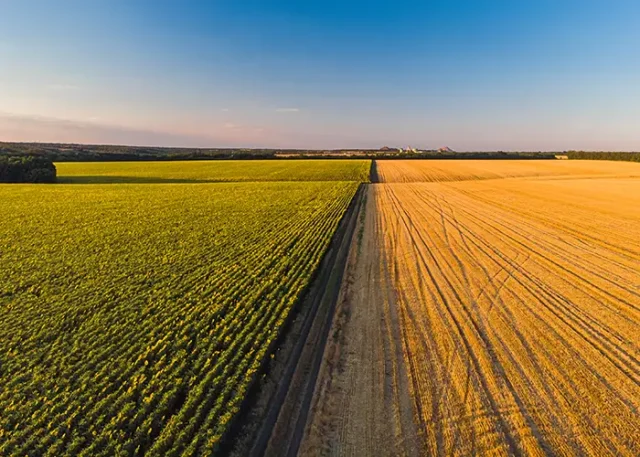
Farming is changing quickly, impacting how we think about growing food. Around the world, new practices are changing traditional farming methods to meet the needs of a growing population and a changing climate. Innovative ideas, from urban farming to biotechnology, are emerging in agriculture. These changes show how farmers are creatively addressing problems such as sustainability, efficiency, and food security.
Technology plays a key role in this transformation. Farmers are using advanced tools and equipment to make their work easier and more productive. Let’s look at some popular farming trends that are shaping agriculture today.
Urban Farming
Urban farming is booming, turning rooftops and vacant lots into green spaces where people live. Communities worldwide are growing fresh food locally, reducing the carbon footprint of transporting food. This local production helps ensure food security and encourages healthier eating.
These green initiatives include vertical gardens and hydroponics to make the most of limited space and resources. Urban farming connects people with their food source and builds community awareness about sustainable practices. As more city dwellers seek fresh, organic produce, urban farms will continue to grow and spread into new areas.
Agroforestry
Agroforestry is a method that combines farming and forestry. It involves planting trees alongside crops or animals to create diverse and productive land. This approach has many environmental and economic benefits. By adding trees to farmland, farmers can boost biodiversity, improve soil health, and prevent erosion.
Trees provide shade that helps crops grow, and their roots absorb water and nutrients. Agroforestry can also produce a range of products, such as wood, fruits, and nuts, providing farmers with multiple sources of income. This practice supports sustainable land use and helps fight climate change by capturing carbon dioxide. Because of these benefits, agroforestry is becoming more popular among environmentally conscious farmers.
UTVs in Farming
Utility Task Vehicles (UTVs) are changing how farmers operate. These tough, flexible vehicles are perfect for many farm tasks. They help transport equipment and supplies and assist with fieldwork.
The UTV vehicle can handle various terrains, allowing farmers to reach hard-to-access areas. They help move produce, livestock, and materials efficiently, boosting productivity and reducing manual labour. UTVs are easy to use, so anyone on the farm can operate them without extensive training.
With the right attachments, UTVs can also help with towing, plowing, and other important jobs. As farming technology advances, UTVs will likely play an even bigger role in improving farm efficiency and daily operations.
Technology Integration
Besides UTV vehicles, technology is reshaping farming in many ways. Tools like GPS-guided tractors and advanced monitoring systems help farmers work more efficiently. Drones are now used to assess crop health and irrigation needs, enabling precise actions that save time and resources.
Farm management software provides farmers with important data to track productivity and supply chains. This digital approach means farmers can run their operations like businesses, using resources wisely and reducing waste. As technology improves, farming will see even more innovations that boost productivity and sustainability.
Sustainable Practices
Sustainability is a major focus in modern farming. More farmers are using methods that protect the environment and conserve resources while still being productive. Strategies like crop rotation, cover cropping, and reduced tillage help maintain soil health and improve yields.
Organic farming is gaining popularity as consumers increasingly seek pesticide-free, naturally grown options. This approach supports healthier environments and promotes biodiversity. As understanding of environmental issues grows, sustainable practices are becoming essential for successful farming.
Permaculture Principles
Permaculture, or permanent agriculture, focuses on working with nature instead of against it. This farming method aims to create sustainable ecosystems that mimic natural processes. It includes practices like companion planting, growing diverse crops, and using water efficiently to build strong agricultural systems.
These methods not only improve soil health but also boost biodiversity, providing homes for helpful insects and wildlife. Farmers who use permaculture often find they can rely less on synthetic products while still keeping good crop yields. This trend shows a growing interest in food systems that care for the environment and support ecological balance.
Precision Agriculture
Precision agriculture is changing how farmers run their businesses. This modern approach uses data and technology to give crops the care they need. Farmers can use sensors, satellite imagery, and other tools to accurately track soil conditions, moisture levels, and crop health.
By analyzing this data, farmers can decide the best times to plant, water, and apply fertilizers or pesticides. This focused method increases crop yields while reducing environmental impact by lessening the overuse of inputs. As more farmers adopt precision agriculture, we can expect higher productivity, lower costs, and a stronger focus on sustainable farming practices.