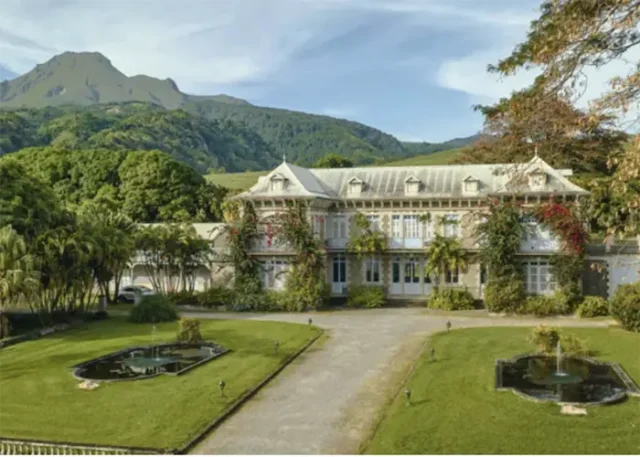
In Martinique, rum isn’t just a product—it’s woven into everyday life. That becomes obvious the moment you start exploring the island by car. Distilleries aren’t tucked away or hard to find; they sit out in the open, often framed by sweeping sugarcane fields, welcoming visitors with little more than a turn off the road. Many are free to visit, making them one of the most accessible cultural experiences on the island.
There’s no strict itinerary for discovering Martinique’s renowned distilleries, but there is a well-connected network of about 15 sites open year-round, including during the harvest season. Most are designed for easy, informal visits, allowing you to drop in without much planning and still enjoy a meaningful experience.
Start in the North
The most rewarding way to explore is by dividing the island into regions. Martinique naturally separates into three distinct zones, each producing rum with its own character. Giving each area a dedicated day allows you to experience them fully without feeling rushed.
Begin in the north, where dramatic landscapes and volcanic terrain define the environment. The influence of Mount Pelée is unmistakable, enriching the soil with volcanic ash that shapes the flavor of the sugarcane. Rums from this region tend to be bold and structured, often with grassy, mineral notes and a subtle peppery finish. Distilleries such as Distillerie Depaz, Rhum J.M. Neisson, and Saint James are scattered throughout this area. Rather than trying to see them all, select a couple and take your time—the scenery alone, with its lush fields and mountain views, is worth lingering over.
Through the Centre
Moving toward Fort-de-France, the landscape softens, and so do the rums. Sugarcane grown here produces more balanced and approachable spirits, with gentler vegetal notes and a touch of natural sweetness. Distillerie La Favorite leans into traditional methods, while Distillerie Dillon offers a convenient stop near the capital. Visits in this region often unfold at a slower pace—what starts as a quick tasting can easily turn into a longer stop, especially if there’s a shop or restaurant on site.
Into the South
In the south, the climate shifts again, becoming warmer and drier. This results in lighter, more aromatic rums, often featuring floral tones and hints of tropical fruit. Distilleries like Trois Rivières, Maison La Mauny, and Braud & Quennesson define this region. It’s an ideal place to slow down, revisit your favorites, and truly savor the experience. Tastings here tend to feel more relaxed, offering time to sit and enjoy rather than move quickly from one stop to the next.
What to Expect at a Distillery
Most distillery visits follow a similar flow. You’ll walk through the production areas, see how freshly cut cane is processed and distilled, and then sample a selection of rums while learning about their unique characteristics.
Some locations keep things simple, while others offer a more immersive experience. Habitation Clément stands out for its extensive grounds, combining historic gardens, contemporary art, and curated exhibits. Saint James includes a museum that highlights the island’s rum heritage, while Trois Rivières and Maison La Mauny offer open, laid-back settings perfect for lingering.
If you prefer a more structured experience, guided rum tours are widely available. Operators such as Cœur des Îles, Voyager Vrai, and Beyond the Beach handle transportation, scheduling, and tastings. A typical tour includes two or three distillery visits, providing a well-paced introduction without the need to plan logistics yourself.
Cruise visitors can also enjoy abbreviated experiences. Distilleries close to Fort-de-France, such as Dillon and Habitation Clément, are well-suited for shorter visits, offering a streamlined version that includes a quick tour, guided tasting, and time to browse before returning to port.
Planning Your Visit
While there’s no fixed route, spreading your visits over three days—one for each region—is a practical approach. Limiting yourself to a couple of distilleries per day ensures you can enjoy each stop without rushing.
If tastings are part of your plan, arranging transportation in advance is a smart move. Guided tours or private drivers can make the experience more enjoyable and stress-free.
For more detailed information, including maps and a full list of distilleries, the Martinique Tourism Authority and CODERUM (Comité Martiniquais d’Organisation et de Défense du Marché du Rhum) provide helpful resources online.
Plan Your Escape
With distilleries open throughout the year, rum tasting offers one of the most authentic and accessible ways to connect with Martinique’s culture. Take your time, explore thoughtfully, and enjoy each stop along the way.
Martinique invites you to discover it at your own pace—unhurried, immersive, and deeply rewarding. Sometimes, the best journeys are the ones where you slow down and let the experience unfold naturally.