
In the hyper-connected landscape of 2026, the concept of luxury travel has undergone a radical shift. It is no longer just about the destination or the transit experience; it is about the “re-entry.” For the modern global nomad—the executive, the creative, and the “slomad” who navigates between time zones with ease—the ultimate luxury isn’t a five-star hotel. It is the ability to return to a home that acts as a sensory recovery suite.
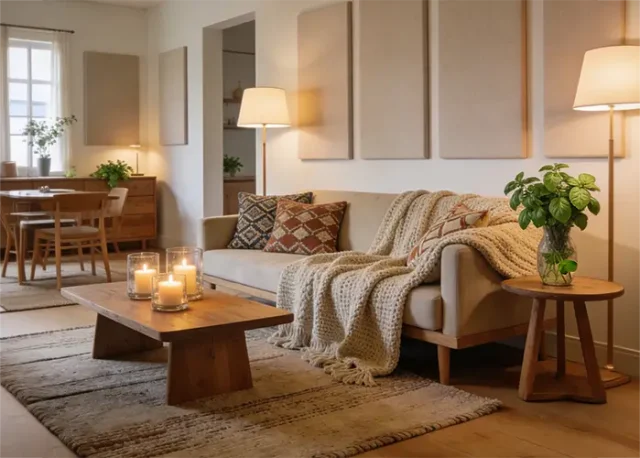
As we spend more of our lives in the “hard” environments of the world—airports, urban thoroughfares, and glass-and-steel offices—the demand for “soft” luxury at home has reached a fever pitch. In 2026, the home base is more than a storage unit for luggage; it is a meticulously designed sanctuary where the textures, sounds, and air quality are calibrated to reset the traveler’s internal clock.
Atlanta: The Hub of the “New South” Lifestyle
Few cities embody this high-mobility lifestyle like Atlanta. As a premier global travel hub and a center for international business, the city has become a primary base for a new class of travelers. These are the “Bleisure” (Business + Leisure) elites who might find themselves in Tokyo on Tuesday and London by Friday, yet maintain a sophisticated residence in the heart of the New South.
For these individuals, the Atlanta home is a critical part of their performance strategy. When you are operating at a global scale, the quality of your rest is a competitive advantage. This has led to a surge in “Sensory Design” within the city’s luxury real estate market, where homeowners are investing heavily in materials that provide an immediate emotional and physical “soft landing.”
Acoustic Wellness: The Hidden Luxury of 2026
While visual aesthetics have traditionally dominated luxury interior design, 2026 is the year of “Acoustic Wellness.” In a world that is louder and more digitally saturated than ever, the most significant luxury is silence—or, more accurately, the control of sound.
For the Atlanta homeowner living in a bustling urban district like Midtown or Buckhead, the city’s vibrant energy is an asset—until it’s time to decompress. Modern interior design now utilizes soft surfaces as a primary tool for “Soundscape Design.” By incorporating high-performance, high-density fibers, travelers can effectively “noise-cancel” their living environment.
Acoustic wellness is particularly vital in the master suite and the home office. After days spent in the echoing halls of international terminals, the tactile and auditory dampening provided by premium textures allows the nervous system to shift from a state of “high alert” to deep recovery.
The Tech of Texture: 2026 Material Science
The “soft” surfaces of 2026 are a far cry from the utilitarian options of the past. Today’s luxury materials are marvels of material science, engineered to meet the demands of a traveler who values both health and sustainability.
Key innovations in 2026 fiber technology include:
- Carbon-Sequestering Fibers: Materials that actively capture carbon during the manufacturing process, appealing to the eco-conscious global citizen.
- Molecular-Level Stain Resistance: Advanced treatments that bond to the fiber at a microscopic level, ensuring that even a spilled glass of Bordeaux after a long flight doesn’t become a permanent reminder.
- Hyper-Breathable Weaves: Specifically designed for the humid Southeastern climate, these fibers prevent moisture retention and inhibit the growth of allergens, ensuring the home stays fresh even when locked up for weeks during an overseas trek.
For those looking to integrate these advanced features into their primary sanctuary, exploring the latest options for carpet in Atlanta has become the standard first step in a luxury home reset.
The “Service Concierge” Model of Home Upgrades
For the high-end traveler, time is the one commodity that cannot be replenished. The traditional “DIY” or warehouse-shopping model of home improvement is incompatible with a life lived at 30,000 feet. Consequently, the 2026 renovation market has shifted toward a “White Glove” concierge model.
The evolution of the in-home consultation has been a game-changer for the on-the-go professional. Instead of spending a rare free Saturday navigating a showroom, the showroom comes to the resident. This mobile experience allows the homeowner to evaluate textures and colors under their own lighting and alongside their personal art collections.
For an Atlanta executive returning from a transatlantic flight, the ability to have a curated selection of premium materials brought directly to their door—with a professional to manage the logistics from measurement to installation—is the ultimate convenience. It ensures that the home’s “sensory upgrade” happens seamlessly, without disrupting the rhythm of a busy travel schedule.
ROI for the “Airbnb Luxe” Market
The 2026 traveler isn’t just a consumer of luxury; they are often providers of it. Many global nomads choose to list their Atlanta properties on high-end rental platforms like Airbnb Luxe or Plum Guide while they are away.
In this competitive market, tactile luxury is a significant differentiator. Guests are increasingly looking for homes that offer a “resort-style” experience, where the attention to detail extends to the comfort of the flooring. A master suite with plush, premium surfaces doesn’t just look better in photos; it feels better to the guest, leading to higher ratings and the ability to command premium nightly rates. Investing in the tactile quality of the home is, therefore, both a personal luxury and a strategic business decision.
The Traveler’s Sensory Checklist for 2026
If you are looking to future-proof your “Luxury Basecamp,” consider these three sensory priorities:
- Haptic Quality: Does the material feel restorative against the skin? Look for high-density, low-friction fibers.
- Chromatic Stability: Choose neutral, “earth-tone” palettes that mimic natural environments, which have been proven to lower cortisol levels.
- Environmental Integrity: Ensure all materials are low-VOC and sustainably sourced to maintain peak indoor air quality.
Conclusion: The Soft Landing
In the end, the best journeys are the ones that end with a sense of peace. As our lives become faster, louder, and more digital, the importance of our physical foundation becomes undeniable.
For the Atlanta traveler, the home is more than a residence; it is the essential counterweight to a high-speed world. By prioritizing acoustic wellness, material science, and seamless service, you are doing more than just updating a room—you are perfecting the art of the return. In 2026, the ultimate travel hack isn’t a better suitcase or a faster flight; it is a home that welcomes you back with the softest landing possible.