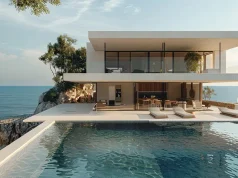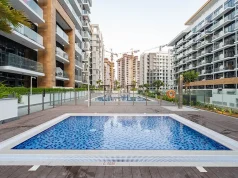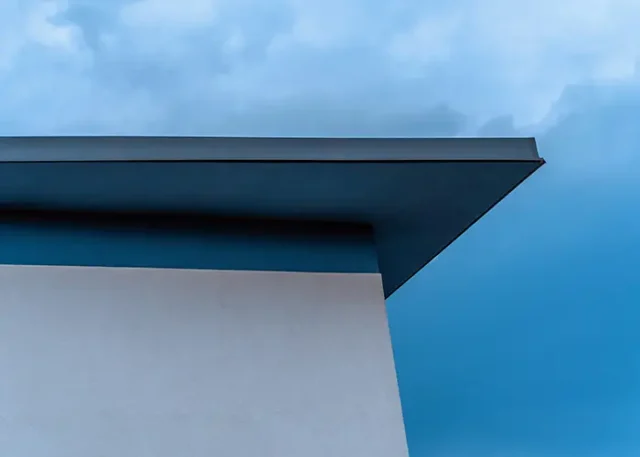
Flat-roof homes are having a serious moment right now.
The sleek lines, the minimalist aesthetic, the rooftop terrace possibilities — it’s easy to see why many homeowners and architects are smitten with this style. But here’s the thing very few are mentioning…
The design appeal and the long-term maintenance reality are two very different conversations.
What you’re about to find out:
- Why Flat-Roof Design Has Become So Popular
- The Real Lifecycle Costs of a Flat Roof
- What Flat Roofs Do to Your Home’s Value
- How to Decide If a Flat Roof Is Right for You
Why Flat-Roof Design Has Become So Popular
Flat-roof architecture has moved well beyond commercial buildings.
The modernist home style has fully adopted it. They have good reason to do so. The look is strong, simple and decidedly contemporary. The flat roof provides:
- Rooftop terraces and usable outdoor space
- Larger windows and floor-to-ceiling glass walls
- A sleek profile that traditional pitched roofs simply can’t replicate
- Green roof installations with plants and vegetation
- Solar panel placement that maximises efficiency
Architects love the design flexibility. Homeowners love the bold look. Flat roofs are also typically less costly to install initially than pitched counterparts — the simpler construction requires fewer materials and is easier to put in place.
But here’s the kicker…
The initial savings on day one can cost more in the long run. It’s a reality every flat-roofed homeowner will ultimately encounter.
The Real Lifecycle Costs of a Flat Roof
This is where the conversation gets serious.
Flat roofs need regular maintenance. Unlike a pitched roof which naturally sheds water, a flat roof is completely dependent on its drainage and membrane to be watertight. Once this system starts to deteriorate – even a little – problems multiply rapidly.
The most common issues include:
- Ponding water — water that remains on the surface after a rainfall event instead of draining
- Membrane cracking or blistering from UV exposure and temperature changes
- Flashing failures around vents, skylights, and edges
- Blocked drainage from debris build-up
None of these are show-stoppers by themselves. But if allowed to fester, they become costly repairs in short order.
So what does maintenance actually cost?
The national average cost of flat roof replacement is $24,510, but the final cost varies by the material, square footage, and local labor costs. As for maintenance, most manufacturers suggest checking a flat roof twice a year (spring and following fall storms) as a minimum and resealing it with a good sealer every 5 years as a best practice to maintain the membrane.
Different materials have different lifespans for a flat roof. EPDM rubber and modified bitumen usually last 15 to 25 years. High-quality materials and routine maintenance can extend a flat roof’s life from 20 to 50 years. The key to that range is consistent maintenance.
Here’s what a basic flat-roof maintenance routine looks like:
- Clear debris from the surface and drainage points twice a year
- Inspect seams and flashing after heavy storms
- Reapply sealant every five years as a minimum
- Schedule a professional inspection annually to catch anything that’s been missed
Here’s what most people don’t realise…
Initial cost savings of a flat roof over a pitched roof can quickly be negated by increased maintenance expenditures. Flat roofs aren’t a negative investment — but being fully informed is critical.
What Flat Roofs Do to Your Home’s Value
This is the most important section for anyone considering a quick cash offer in a home sale situation – or even a conventional listing.
Condition of the roof is one of the most closely inspected aspects of any property transaction. Buyers, agents and surveyors will all pick up on roof issues straight away. A flat roof that has been well maintained is actually a positive selling point — it shows good design and considered maintenance. That same roof in a poor state has the exact opposite effect.
Surveys have found that 92% of realtors say curb appeal is the most important exterior feature to their clients. The roof plays a huge role in that first impression — a flat roof can go a long way, for better or for worse, with that curb appeal.
Of all the things that can hurt negotiating power, a flat roof in poor repair is one of the quickest. It either loses buyers or gives them reason to ask for a lower price. When time is of the essence — or working with a trusted company like ‘we buy any house’ is on the table — roof condition becomes a part of the value equation.
A good roof maintains the asking price. A bad one costs much more at the negotiating table than at the repair shop.
How to Decide If a Flat Roof Is Right for You
There are really two questions worth asking.
First: are you buying or building?
If purchasing a flat-roof property, always ask for a full roof condition survey before exchange. Ask when the membrane was last replaced, if drainage has been regularly cleared and if any ponding problems have been noted. These are not showstoppers — but they are negotiating levers.
If building, consider maintenance costs in the total cost of ownership from day one. Budget for inspections every six months, periodic sealant applications, and a membrane replacement between years 15 and 25.
Second: are you planning to sell?
A well-maintained flat roof has real cachet for the right buyer. The sleek, modern look appeals to a particular market — and that market tends to be deep-pocketed. But if the roof is nearing the end of its useful life and a sale is on the horizon, being proactive about maintenance before listing is the smart move. An inspection before sale is one of the most affordable steps any homeowner can take.
The best approach — whether staying or selling — is the same:
- Know what you have
- Understand what it costs to maintain
- Stay ahead of problems rather than reacting to them
Flat roof architecture is a design choice. The demand is legitimate and it’s not going anywhere.
Tying It All Together
The flat roof offers striking appearance, contemporary validity and functional flexibility unmatched by the pitched roof. However, it also has a lifecycle maintenance requirement that must be factored in.
To quickly recap:
- Flat roofs offer real design and functional advantages
- Lifecycle costs are manageable with consistent maintenance
- Roof condition directly impacts resale value and negotiation power
- The right preparation before selling can protect or grow the asking price
The allure is aesthetic. The upkeep is practical. The awareness of both is what sets the informed flat-roof owner apart from the flat-roof owner who is uninformed when it counts.