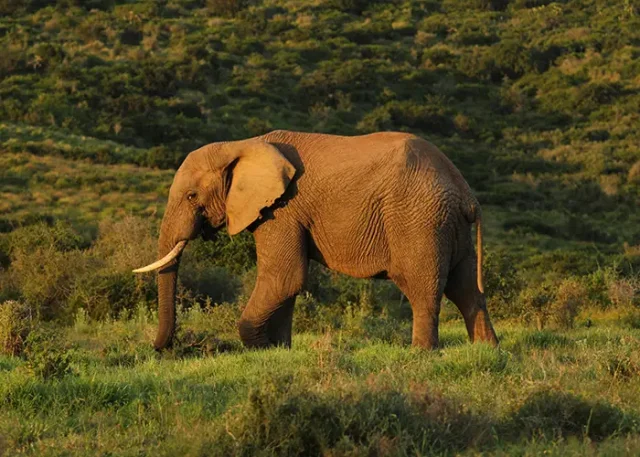
If you’re looking for a Tanzania safari experience that combines massive elephant herds, ancient baobab trees, and fewer crowds than the famous northern parks, Tarangire National Park should be at the top of your list. Often called the “elephant capital” of Tanzania, this beautiful park in the northern circuit delivers incredible wildlife sightings against a backdrop of dramatic landscapes that feel truly wild and timeless.
At Safari Soles Tours, they love introducing travelers to Tarangire because it offers that perfect mix of accessibility and authentic safari adventure. Many of their clients start their journey here before heading deeper into the Serengeti or Ngorongoro. If you’re planning a classic northern Tanzania trip with comfortable mid-range lodges and excellent game viewing, check out the 6-Day Tanzania Mid-Range Safari it’s a well-paced itinerary that captures the best of the region without rushing.
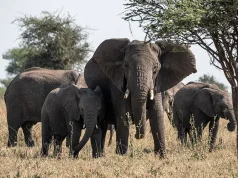
Tarangire stretches across roughly 2,850 square kilometers and sits just a couple of hours’ drive from Arusha. What makes it special is the Tarangire River, which winds through the park and becomes a magnet for wildlife during the dry months. You’ll see herds of elephants numbering in the hundreds, along with buffalo, zebra, giraffe, and a variety of antelope. The park’s iconic baobab trees, some hundreds of years old, rise like sentinels across the savannah, giving the whole place an almost prehistoric feel.
Why Tarangire Feels Different
Unlike the open plains of the Serengeti, Tarangire has varied terrain acacia woodlands, riverine forests, swamps, and rocky ridges. This diversity supports a rich array of animals and makes every game drive interesting. The park is famous for its large elephant population, one of the biggest in the country. During the dry season, you can easily spot family groups digging in the riverbed or cooling off under the shade of baobabs.
Predators are here too. Tarangire has a healthy lion population, including the well-known tree-climbing lions that rest in the branches during the heat of the day. Leopards prowl the riverine areas, while cheetahs hunt on the open patches. Bird lovers will be in heaven over 550 species call the park home, from colorful bee-eaters and kingfishers to majestic martial eagles and the comical ground hornbills.
The lesser-known Tarangire migration brings thousands of wildebeest and zebra into the park when water becomes scarce elsewhere, creating scenes that rival the more famous Serengeti migration but with far fewer vehicles around you.
Best Time to Visit Tarangire
The prime time for a Tarangire safari is the dry season from June to October. As water sources dry up outside the park, animals concentrate along the Tarangire River and the Silale Swamp. This is when you’ll see the biggest elephant herds and the best predator action. Days are warm and sunny with clear skies perfect for photography.
The wet season (November to May) brings lush green landscapes and excellent birding with migratory species arriving. It’s also calving season for many animals, so you’ll see plenty of adorable newborns. Roads can get muddy, but the park feels alive and fresh. Many people visit in January–March for a balance of good wildlife and fewer crowds.
Pro tip: If you’re combining parks, Tarangire pairs perfectly as the first or last stop on a northern circuit. It’s close enough to Arusha for easy access but far enough to feel remote.
A Typical Day on Safari in Tarangire
Your adventure usually begins with an early morning game drive as the sun rises over the baobabs the light is magical and animals are active. You might spend hours following a herd of elephants or watching lions on a kill. Mid-morning bush breakfasts are a highlight: fresh coffee, eggs cooked to order, and stunning views while monkeys watch from the trees.
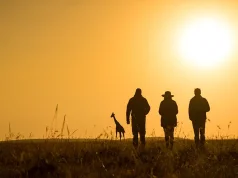
Afternoons are for relaxing at your lodge perhaps cooling off in a pool or reading on your veranda. As the day cools, head out for an evening drive or a walking safari. Guided walks let you experience the bush on foot, learning about tracks, medicinal plants, and the smaller creatures that make the ecosystem work. Some camps offer night drives, where spotlights reveal nocturnal wonders like bushbabies, civets, and aardvarks.
Evenings end with sundowners a cold drink in hand as the sky turns orange and the sounds of the bush grow louder. Dinner is often outdoors under a blanket of stars, with the distant roar of a lion or trumpet of an elephant completing the experience.
Where to Stay in Tarangire
Tarangire has great options for different budgets and styles:
- Luxury tented camps with private plunge pools and top-notch service
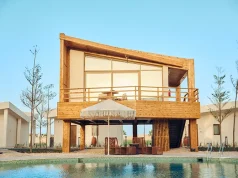
- Comfortable mid-range lodges perfect for families and first-time safari goers
- More intimate bush camps that bring you closer to nature
Many properties focus on eco-friendly practices and support local communities through employment and conservation projects. Staying inside or just outside the park maximizes your time on game drives.
Essential Tips for Visiting Tarangire
What to pack: Neutral colored clothing (khaki, beige, olive) helps you blend in. Bring layers mornings and evenings can be surprisingly cool, especially in the dry season. A good pair of binoculars is essential, along with a camera, zoom lens, sunscreen, hat, and insect repellent. Comfortable closed shoes are great for walks. Avoid dark colors like black or blue as they can attract tsetse flies in some areas.
Health precautions: Follow standard travel advice for Tanzania. Malaria prophylaxis is recommended, and use repellent at dawn and dusk. Yellow fever vaccination may be required depending on your travel history. Drink plenty of bottled water and listen to your guide’s safety instructions.
Photography advice: The baobabs at sunrise or sunset create dramatic silhouettes. Golden hour light is unbeatable for elephant portraits. Be patient sometimes waiting with a sighting brings the best action shots. Wide-angle lenses work well for capturing the vast landscapes and big herds.
Beyond game drives: Ask about cultural visits to nearby Maasai villages. Learning about local traditions adds another meaningful layer to your trip. Hot air balloon safaris are also available in season and offer a breathtaking perspective of the park.
Combining with other destinations: Tarangire works beautifully in a longer itinerary. After a few days here, many travelers continue to Lake Manyara, Serengeti, and the Ngorongoro Crater. Or end your safari with relaxation on the beaches of Zanzibar. This variety gives you everything from big game thrills to cultural experiences and island paradise.
Tarangire has a special magic. It’s not just about ticking off the Big Five (though you have excellent chances here). It’s the feeling of being somewhere ancient and powerful, surrounded by nature doing its thing without crowds or pressure.
The park reminds you why people fall in love with African safaris the sheer scale of the wildlife, the beauty of the landscape, and those quiet moments when it’s just you, your guide, and the African bush.
If you’re dreaming of an authentic Tanzania safari that goes beyond the usual highlights, Tarangire delivers. Whether it’s your first trip to Africa or you’re a returning visitor looking for something fresh, this park leaves a lasting impression.
Ready to experience the elephant herds and baobab landscapes for yourself? Contact Safari Soles Tours today. They’ll help craft the perfect itinerary, whether it’s the popular 6-day mid-range safari or a customized private journey that includes plenty of time in Tarangire.