

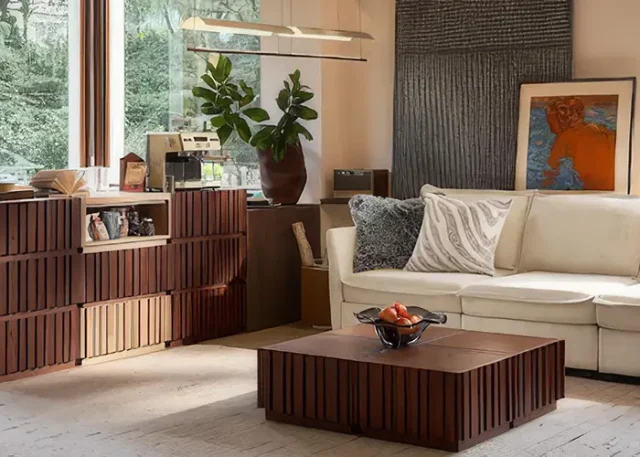
A Shift in How UK Homes Are Used
Across the UK, homes are no longer designed around single-purpose rooms. Living spaces now have to adapt throughout the day — a dining table may become a workstation, a living room may double as a relaxation zone and a social space, and spare corners often turn into compact storage or study areas.
This shift toward multifunctional living has created a new expectation from interiors: flexibility. As lifestyles become more fluid, storage solutions are expected to do more than simply hold belongings — they need to actively support changing routines.
The Rise of Small-Space and Hybrid Living
One of the biggest drivers behind this change is the reality of modern UK housing. With urban homes becoming more compact and open-plan layouts more common, space is at a premium. Every square foot needs to serve a purpose.
At the same time, hybrid working has become part of everyday life for many households. This means homes must now accommodate both professional and personal needs without feeling cluttered or overwhelming. The result is a growing demand for smarter, more adaptable interiors.
Why Traditional Storage No Longer Fits Modern Homes
Traditional storage furniture was designed for static living — large wardrobes, fixed cabinets, and heavy units placed in dedicated rooms. But modern homes rarely function in such a rigid way anymore.
Today’s homeowners are looking for:
- lighter visual design
- adaptable layouts
- furniture that can evolve over time
- solutions that reduce clutter without dominating space
Bulky, fixed storage can often make smaller rooms feel even more restricted. In contrast, flexible storage allows interiors to breathe while still staying organised.
The Appeal of Modular Storage Systems
This is where modular storage has become especially relevant in UK interiors. Unlike fixed units, modular systems are designed to adapt. They can be rearranged, expanded, or reconfigured depending on the needs of the home.
This flexibility is particularly useful for people who:
- move homes frequently
- live in compact apartments
- share multifunctional living spaces
- want interiors that can change with lifestyle shifts
Modular systems allow storage to grow with the household rather than limit it.
Within this evolving approach to interiors, solutions such as Modular Storage Cabinet designs have become increasingly relevant, offering both structure and adaptability within modern homes.
Storage as Part of Interior Design
Another key change is how storage is now viewed as part of interior aesthetics rather than something purely functional. UK homeowners are paying more attention to how furniture contributes to the overall mood of a space.
Instead of hiding storage away, many now prefer designs that:
- complement the room visually
- maintain a sense of calm and order
- blend with modern, minimal interiors
- avoid visual clutter
This shift has helped flexible storage move from a practical necessity to a core design feature in contemporary homes.
Supporting a More Calm and Intentional Lifestyle
There is also a growing emotional reason behind the popularity of flexible storage. Many people are actively trying to create homes that feel calmer and more manageable. Clutter-free spaces are increasingly linked to better focus, reduced stress, and improved wellbeing.
Flexible storage plays an important role in this by making it easier to:
- keep belongings organised
- adjust layouts when needed
- maintain a sense of visual order
- avoid overcrowded rooms
This creates a more intentional way of living, where every piece of furniture has both purpose and adaptability.
The Future of UK Interior Living
As UK homes continue to evolve, flexibility is becoming a defining feature of modern interiors. Furniture is no longer expected to remain fixed in one function or layout. Instead, it is becoming more responsive to how people actually live, a design philosophy increasingly reflected in modern collections from Hulala Home.
Storage, in particular, is moving away from being a background necessity and becoming an active part of home design strategy. The ability to adapt, reconfigure, and simplify space is no longer just convenient — it is becoming essential.
In this context, flexible storage solutions are not just a trend. They represent a long-term shift toward more adaptive, thoughtful, and human-centred living spaces in the UK.