

When designing a kitchen or bathroom, choosing the right backsplash is a critical decision that impacts both aesthetics and functionality. A durable backsplash can protect your walls from moisture, stains, and heat, while also enhancing the overall look of the space. This article will delve into the durability aspects of two popular options: Cement Tile Backsplash and glass tile backsplash. By understanding the unique properties and maintenance requirements of each material, you can make an informed decision that aligns with your design intent and lifestyle needs.
Cement Tile Backsplash Durability Factors
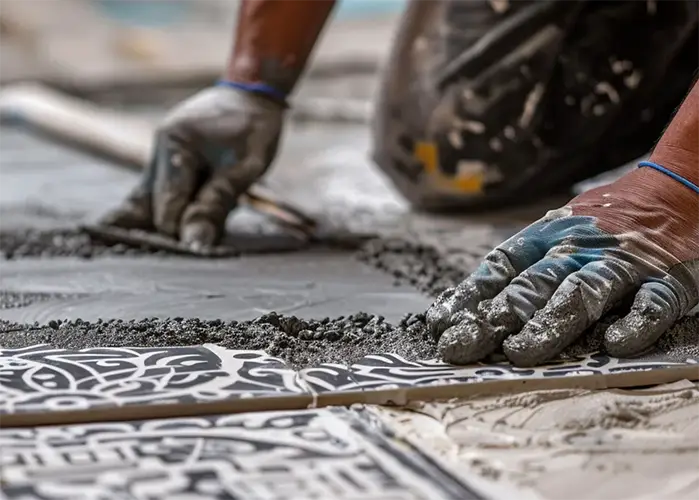
Cement tiles are renowned for their robustness, making them a popular choice for high-traffic areas. One of the key factors contributing to their durability is their thickness and density, which provide a sturdy surface resistant to chipping and cracking. Additionally, cement tiles are versatile in their design, allowing for intricate patterns and a varied color palette that can complement any Cement Tile Backsplash scheme. However, it is important to note that cement tiles are porous and should be sealed properly to prevent water and stain absorption, which can affect their longevity.
Furthermore, cement tiles are appreciated for their eco-friendly nature. Often crafted using sustainable practices, they align with the principles of LEED Certification, a globally recognized symbol of sustainability achievement. This not only makes them a durable option but also an environmentally conscious choice for your home improvement project.
Glass Tile Backsplash Durability Insights
Glass tiles offer a sleek, modern aesthetic and are known for their resistance to stains and discoloration. Made from tempered glass, these tiles are toughened during production to withstand impact, making them a durable choice for backsplashes. The smooth surface of glass tiles also adds to their durability by making them easy to clean and less likely to harbor mold or mildew, which is particularly beneficial in humid environments like kitchens and bathrooms.
In terms of design flexibility, glass tiles can be used to create stunning visual effects through various color palettes and reflective finishes. However, their durability can be compromised if not installed correctly, as improper installation can lead to cracking or chipping. Therefore, it’s crucial to work with a skilled professional familiar with the nuances of glass tile installation to ensure the longevity of your backsplash.
Comparing Maintenance Needs of Cement and Glass Tiles
The maintenance requirements for cement and glass tiles differ significantly, impacting their overall durability. Cement tiles require regular sealing and resealing to maintain their protective barrier against moisture and stains. Neglecting this step can lead to surface damage and reduced lifespan. Incorporating a finish schedule into your home maintenance routine can help ensure cement tiles remain in optimal condition.
Conversely, glass tiles are relatively low-maintenance. Their non-porous surface means they are less susceptible to staining, and regular wiping with a damp cloth is usually sufficient to keep them looking pristine. This ease of maintenance makes glass tiles a practical choice for busy households where routine cleaning might be overlooked.
While both materials have their pros and cons, it’s essential to consider the specific needs of your space. For instance, if your kitchen is part of an open floor plan, the acoustical treatment properties of cement tiles might be beneficial, as they can help absorb sound and reduce noise.
Choosing Between Cement and Glass for Long-term Performance
When deciding between cement and glass tiles for long-term performance, consider factors such as the intended use of the space, personal aesthetic preferences, and budget. Cement tiles offer a timeless, handcrafted look with strong environmental credentials, ideal for those prioritizing sustainability and bespoke design. They are particularly suited to spaces where space planning involves coordinating with other design elements like millwork and FF&E (Furniture, Fixtures, and Equipment).
On the other hand, glass tiles provide a contemporary, luminous finish that can make smaller spaces feel more expansive due to their reflective properties. They are an excellent choice for homeowners seeking a low-maintenance, stylish option with a high-end appearance. However, the choice may also depend on the specific design intent, whether it involves bold patterns with cement tiles or a minimalist approach with glass.
Conclusion

Both cement and glass tiles offer unique advantages in terms of durability and aesthetics. Cement tiles are robust and eco-friendly, requiring regular maintenance, while glass tiles provide an easy-to-clean, modern look. Selecting the right backsplash for your home involves weighing these factors against your design goals and lifestyle. By considering the specific needs of your project, you can choose a backsplash that enhances your space’s durability and beauty for years to come.