

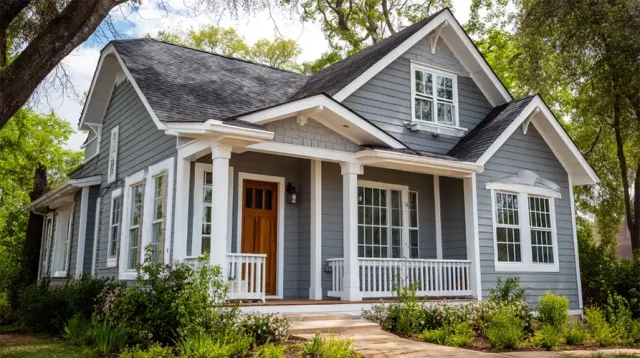
When it comes to maintaining your home’s exterior, many homeowners wonder: can you paint siding? The short answer is yes, but success depends on the type of siding, its condition, and proper preparation. Painting siding can offer an affordable way to refresh your home’s look, cover fading colors, and protect materials from the elements. However, not all siding is created equal, and knowing when to paint and when to replace is crucial for a long-lasting result.
Can You Paint Siding? Understanding the Basics
Which Types of Siding Can Be Painted
Wood siding is the most traditional and straightforward to paint. It often requires a primer and topcoat but can accept a wide range of colors. Vinyl siding can also be painted, though care must be taken with color selection—lighter shades work best to avoid heat-related warping. Fiber cement siding is durable and paintable, but like wood, it needs proper priming and quality exterior paint to ensure adhesion and longevity.
When Painting Siding Is a Good Idea
Painting is ideal for a cosmetic refresh on siding that is structurally sound. It can cover fading, minor wear, and give your home an updated look without the high cost of replacement. If siding is damaged, warped, or nearing the end of its lifespan, painting may only provide a temporary fix rather than a durable solution.
Preparation Is Everything
Cleaning and Surface Prep
The key to a successful paint job is thorough cleaning. Dirt, mildew, and loose paint can prevent adhesion, leading to peeling or uneven coverage. Pressure washing or careful scrubbing ensures a clean surface, ready for primer and paint.
Inspecting and Repairing Damage
Before painting, inspect your siding for cracks, rot, or loose panels. Repairing small areas with fillers, sanding rough spots, or replacing damaged sections ensures the new paint adheres properly and looks smooth. Skipping this step can lead to premature paint failure.
Priming and Choosing the Right Paint
Using a primer suited to the siding material enhances paint adhesion and durability. Exterior latex or acrylic paints are commonly recommended, offering flexibility and protection against weathering. Consider color choice carefully; very dark colors on vinyl siding can absorb heat, leading to warping or fading.
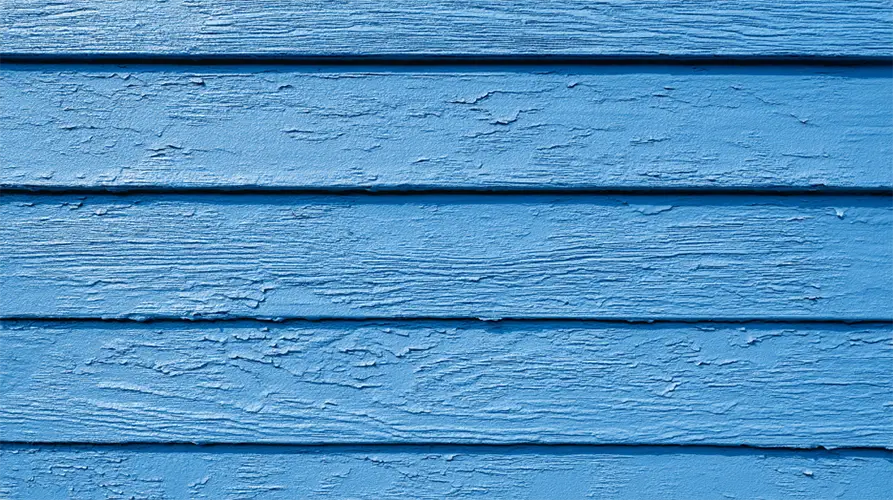
DIY vs. Professional Painting
Painting siding yourself can save money, but it requires time, skill, and attention to detail. For large homes, complex siding designs, or long-term durability, hiring professionals is often the best choice. For homeowners seeking reliable exterior painting services, Cover Pro Painting offers expert preparation, color consultation, and professional application to ensure long-lasting results. Their teams understand material nuances and proper techniques to maximize the lifespan of your siding paint.
Common Mistakes to Avoid When Painting Siding
Even experienced DIYers can make errors that compromise results. Avoid painting over damaged or dirty surfaces, using the wrong paint type, or selecting inappropriate colors. Ignoring maintenance after painting can also shorten the life of your finish. Careful prep, the right products, and consistent upkeep are essential for a paint job that lasts.
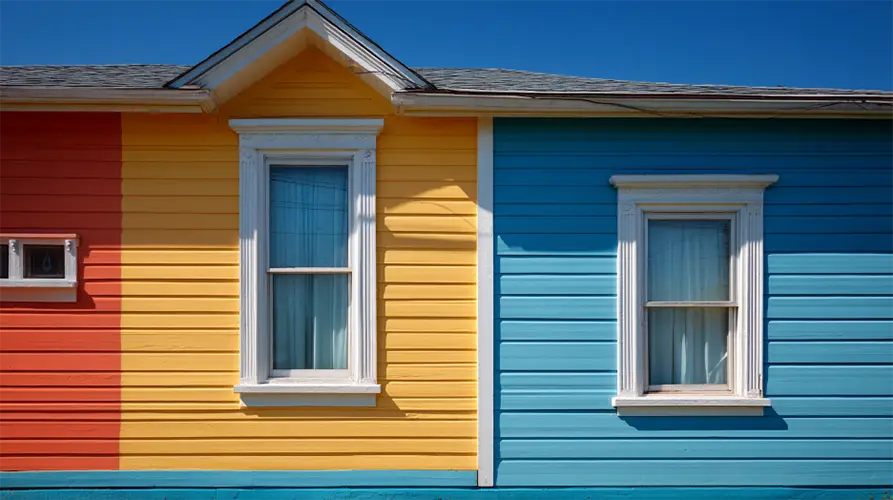
When Replacement Might Be the Better Option
Signs You Should Replace Instead of Paint
If your siding shows severe warping, rot, or is consistently high-maintenance, replacement may be more cost-effective in the long run. Painting cannot restore structural integrity or extend the life of siding that has already reached the end of its usable life.
Combining Painting With Home Renovation
Painting can also be part of a broader exterior update, including window or door replacements. Partnering with professionals such as Elevate Construction and Window Installation specialists can help homeowners plan siding upgrades alongside other exterior renovations for a cohesive, polished result. This approach ensures that all elements of your home’s exterior complement one another while protecting your investment.
Conclusion
Painting siding is a feasible and effective way to enhance your home’s appearance when the siding is in good condition. Understanding the type of siding, preparing surfaces thoroughly, choosing appropriate paint, and knowing when to seek professional help are all key factors in a successful project. By evaluating your siding’s condition and potential alternatives, you can make an informed decision that refreshes your home, preserves value, and extends the life of your exterior materials.