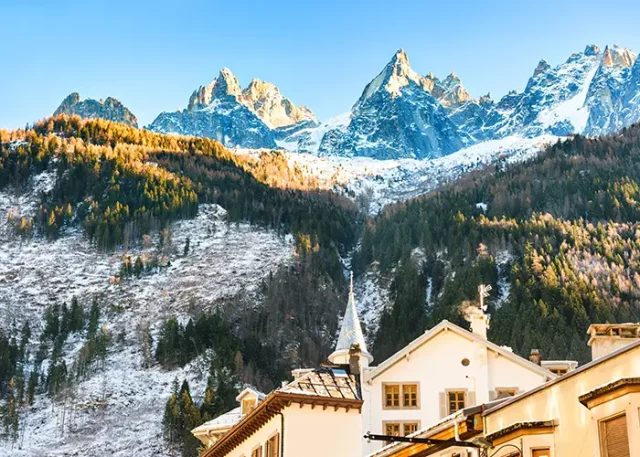
Chamonix offers enough skiing, sightseeing and mountain activities to fill an entire winter vacation. However, its position near the borders of Italy and Switzerland also makes it an excellent base for exploring several distinct Alpine destinations.
Within a few hours, travelers can exchange Chamonix’s high-mountain atmosphere for Italian cafés in Courmayeur, canalside streets in Annecy, thermal traditions in Saint-Gervais or museums and historic neighborhoods in Switzerland.
Winter travel in the Alps requires flexibility. Snow, tunnel maintenance, rail disruptions and changing road conditions can all affect an itinerary. Check transportation schedules shortly before departure and avoid planning an international day trip on the same day as a flight or long-distance train.
Comparing the Best Winter Excursions
| Destination | Best for | Recommended transportation | Main consideration |
|---|---|---|---|
| Courmayeur, Italy | Italian food and mountain scenery | Bus, tour or car | Mont Blanc Tunnel traffic |
| Annecy, France | Historic streets and lakeside scenery | Car or organized excursion | Public transportation can be slow |
| Saint-Gervais-les-Bains | Thermal wellness and mountain railways | Mont Blanc Express | Tramway route is shorter in winter |
| Martigny, Switzerland | Art, history and a scenic train journey | Mont Blanc Express | Passport and Swiss currency |
| Geneva, Switzerland | Museums, dining and an urban break | Direct coach | Allow for border and road delays |
1. Courmayeur, Italy
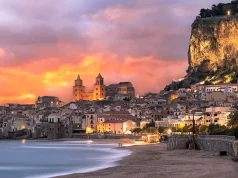
Courmayeur sits on the Italian side of Mont Blanc, reached from Chamonix through the Mont Blanc Tunnel. Although the two resorts share the same mountain backdrop, their atmosphere is noticeably different.
The center of Courmayeur has pedestrian streets, boutiques, wine bars and restaurants serving dishes from Italy’s Aosta Valley. Local specialties include polenta, mountain cheeses, cured meats and hearty stews. Even travelers who are not skiing can enjoy a leisurely lunch and explore the town.
For a more dramatic mountain experience, continue to Skyway Monte Bianco, near the village of Entrèves. Its rotating cable cars climb toward Punta Helbronner, where viewing terraces provide expansive panoramas across the Alps. Operations are weather-dependent, and reservations are advisable during busy winter periods.
Skiers with an appropriate pass can spend the day on Courmayeur’s slopes. The Mont Blanc Unlimited pass may include access to Courmayeur and Skyway Monte Bianco, depending on its duration and the operating conditions. Confirm inclusions before traveling, since transportation and equipment are not automatically covered.
Getting there
International buses leave from the Chamonix Sud bus station for destinations in Italy. Services and departure times vary, so reserve both directions in advance. Driving is convenient but exposes travelers to tunnel tolls, traffic and winter road requirements.
The journey through the tunnel can be short when traffic is moving normally, but delays are common during holiday periods, weekends and maintenance closures.
Carry a valid passport or accepted national identity document. France and Italy are both in the Schengen Area, but travelers crossing an international border must still have appropriate identification.
2. Annecy, France
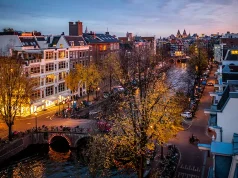
Annecy provides a complete change from Chamonix’s ski-resort atmosphere. The historic center is known for narrow arcaded streets, canals and pastel-colored buildings clustered near Lake Annecy.
Winter brings colder temperatures and shorter days, but it can also offer a quieter experience than the busy summer season. Begin around the Palais de l’Île, the distinctive medieval building positioned in the Thiou Canal, and wander through the old town before walking toward the Jardins de l’Europe and the lakefront.
The Château d’Annecy, set above the old town, contains museum collections devoted to regional art, archaeology and Alpine heritage. Indoor attractions make Annecy an especially useful day trip when high winds or poor visibility close Chamonix’s mountain lifts.
The old town has numerous restaurants, bakeries and cheese shops. Regional dishes commonly include tartiflette, raclette and fondue, although visitors looking for a lighter meal will also find contemporary cafés and restaurants.
Around Christmas, Annecy generally adds seasonal decorations and markets, but dates and locations change annually. Consult the city’s current events calendar rather than assuming holiday attractions will continue throughout the winter.
Getting there
Annecy is approximately 100 kilometers from Chamonix by road. Driving or joining an organized excursion is generally the most practical approach for a day trip.
Rail and bus journeys are possible, but connections can make them disproportionately long. Check the complete return schedule before choosing public transportation, particularly on Sundays and holidays.
Winter tires or approved traction equipment may be legally required in the region. Drivers should also be prepared for snow, ice and reduced visibility.
3. Saint-Gervais-les-Bains
Saint-Gervais-les-Bains combines Alpine scenery, Belle Époque spa heritage and access to one of France’s most unusual mountain railways.
The town is divided between Le Fayet in the valley and the historic center higher on the mountainside. Le Valléen gondola connects the railway station at Le Fayet with the center of Saint-Gervais, making the town easier to explore without a car.
One of the principal attractions is the Tramway du Mont-Blanc, a historic cog railway that climbs through forests and mountain terrain. In winter, the tram travels as far as Bellevue, providing access to the Les Houches–Saint-Gervais ski area and designated winter activities.
Travelers should not confuse the winter route with the longer summer journey to Nid d’Aigle. The upper section operates only when summer conditions permit.
Saint-Gervais is also associated with thermal bathing. Les Thermes de Saint-Gervais uses naturally heated water from the Mont Blanc massif for wellness and spa experiences. Advance reservations are strongly recommended, and visitors should distinguish between recreational spa access and medical thermal treatments.
The town center itself merits time for lunch and a walk. Its architecture and slower pace offer a contrast to the more internationally oriented atmosphere of Chamonix.
Getting there
The Mont Blanc Express connects Chamonix with Saint-Gervais–Le Fayet, passing through Les Houches and Servoz. This makes Saint-Gervais one of the easiest car-free winter day trips on the list.
Check that the return train corresponds with your spa reservation or tramway schedule. Mountain rail services may be adjusted during severe weather or engineering work.
4. Martigny, Switzerland
The rail journey from Chamonix to Martigny is an important part of this excursion. The Mont Blanc Express travels through the upper Chamonix Valley, crosses into Switzerland near Vallorcine and descends through dramatic mountain terrain toward the Rhône Valley.
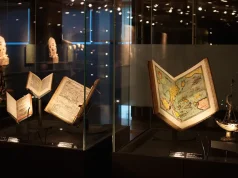
Martigny has Roman remains, historic streets and a cultural scene that is substantial for a relatively small Swiss city. Its best-known institution is Fondation Pierre Gianadda, which presents temporary art exhibitions alongside archaeological collections, vintage automobiles and an outdoor sculpture park.
Nearby Roman sites reflect the settlement’s importance during antiquity. Depending on winter conditions and opening schedules, visitors can also explore the historic center or walk toward Château de la Bâtiaz, which overlooks the city.
Martigny is a good choice when Chamonix is experiencing poor high-altitude visibility. The city lies at a much lower elevation, although snow and cold conditions remain possible.
Getting there
Take the Mont Blanc Express east from Chamonix toward Vallorcine and Martigny. The route may require a change of train, even when the overall service is marketed under the same name.
Review the day’s schedule carefully because departure frequency is limited compared with an urban rail line. Keep the return options available offline in case mobile service is unreliable.
Switzerland is in the Schengen Area but is not part of the European Union. Carry a passport or accepted identity document. Swiss francs are the local currency, although cards are widely accepted and some visitor-oriented businesses may accept euros.
5. Geneva, Switzerland
Geneva offers a distinctly urban alternative to a day in the mountains. Its lakefront, museums, international institutions and restaurant scene make it a practical choice for travelers who want a break from skiing.
Begin beside Lake Geneva and, if conditions permit, walk through the Jardin Anglais toward the old town. The steep streets around St. Pierre Cathedral lead to small squares, historic buildings and viewpoints over the city.
Museum choices include the International Red Cross and Red Crescent Museum, the Musée d’Art et d’Histoire and several institutions connected to science, watchmaking and international affairs. Opening days vary, with some museums closed on Mondays.
The United Nations complex can be viewed from the surrounding district, while guided visits must be reserved and remain subject to security procedures.
Geneva is also a strong culinary destination. Travelers can choose between traditional Swiss dishes, contemporary restaurants and food reflecting the city’s international population.
Getting there
Direct coaches connect Chamonix Sud with Geneva throughout the year. Some services continue to the airport, while others stop closer to the city center, so verify the exact arrival point before purchasing a ticket.
Road congestion and border checks can add time to the journey. Reserve the return trip and arrive at the departure point early.
Geneva Airport is so commonly used for Chamonix vacations that travelers may prefer to explore the city on their arrival or departure day. However, this only works with secure luggage storage and a generous margin before the flight.
A Quieter Alternative: Vallorcine
Travelers who do not want to spend several hours in transit can take the Mont Blanc Express to Vallorcine, at the northeastern end of the Chamonix Valley.
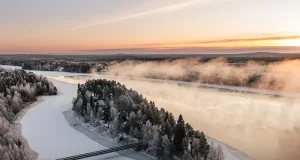
The village is surrounded by forests and mountain scenery and generally feels quieter than central Chamonix. Winter possibilities include skiing in the Balme–Vallorcine area, cross-country skiing and designated snowshoe routes.
Vallorcine remains within France, and transportation between Servoz and Vallorcine is included for travelers holding the Chamonix guest card provided by participating accommodations. The card does not automatically make every local bus free, so check the current rules before boarding.
Planning a Winter Day Trip From Chamonix
A successful Alpine day trip depends as much on conditions as it does on the destination.
- Check weather, road and lift information on the morning of departure.
- Reserve international buses and return trains in advance where possible.
- Carry identification when visiting Italy or Switzerland.
- Wear waterproof footwear with good traction.
- Bring warm layers even when visiting a lower-elevation city.
- Download tickets and schedules before leaving Chamonix.
- Leave time between connections.
- Confirm the final return service before committing to dinner or an evening activity.
- Do not rely on summer transportation information for a winter visit.
If heavy snow, strong winds or tunnel closures disrupt the plan, remain flexible. A day in Chamonix’s museums, restaurants and spa facilities is preferable to forcing an excursion under unsafe or unreliable conditions.