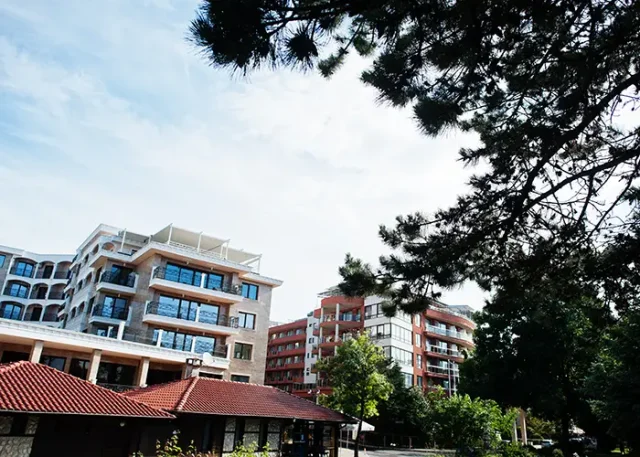
For many overseas buyers, the Philippines offers an appealing mix of lifestyle, opportunity, and long-term potential. From modern city condos to homes close to beaches, business districts, and family communities, there are plenty of reasons to explore the market. However, buying property from abroad requires careful planning.
Here is an overview of why understanding ownership rules, costs, location choices, and the buying process can help you make a confident decision.
Understand Foreign Ownership Rules
One of the most important points that overseas buyers need to know is that property ownership in the Philippines works differently from many other countries. Foreign nationals are generally not allowed to own land directly. However, they can legally own condominium units, as long as foreign ownership within the building does not exceed 40%.
This is one reason why condos are a popular choice for international buyers. If you are searching for a condo for sale Philippines, it is worth working with a trusted real estate company that can help confirm whether the unit, building, and ownership structure meet the right legal requirements.
Foreign buyers may also be able to lease land on a long-term basis or buy property with a Filipino spouse, depending on their personal circumstances. As the rules can be complex, it is always sensible to seek legal advice before signing contracts or transferring funds.
Choose The Right Location
The Philippines is a diverse country, and location will have a big impact on your experience as a buyer. Metro Manila remains a popular option for people who want access to business districts, transport links, hospitals, international schools, shopping centers, and rental demand.
Areas such as Makati, Bonifacio Global City, Pasig, and Quezon City are often attractive to professionals, investors, and returning Filipinos. Outside the capital, places such as Cebu, Davao, Iloilo, Tagaytay, and coastal destinations may appeal to buyers looking for more space, a slower lifestyle, or holiday rental potential.
Before choosing a location, think about how you will use the property. A retirement home, investment unit, holiday base, and family property may all require different priorities.
Budget Beyond The Purchase Price
The listed price is only part of the total cost. Buyers should also allow for taxes, transfer fees, notarial fees, association dues, maintenance costs, legal support, and possible property management fees.
If you are paying from overseas, exchange rates and international bank charges can also affect your final cost. Building a realistic budget early will help you avoid unexpected expenses later.
Check The Paperwork Carefully
Due diligence is essential when buying property in the Philippines. Buyers should review the title, permits, developer reputation, contract terms, payment schedule, and turnover date. For resale properties, it is important to check that there are no unpaid taxes, mortgages, ownership disputes, or legal issues attached to the property.
A licensed agent and qualified legal adviser can help you understand the documents and avoid costly mistakes.
Plan For Ongoing Management
If you will not be living in the Philippines full time, consider how the property will be managed. You may need support with maintenance, bills, tenant communication, inspections, and repairs.
With the right guidance, overseas buyers can navigate the Philippine property market more smoothly. By understanding the rules, choosing carefully, and checking every detail, you can make a more secure and informed purchase.