

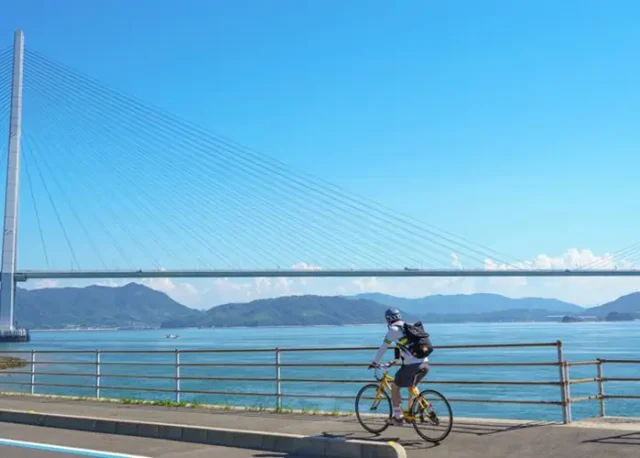
For travelers seeking a more active way to experience Japan, few regions are as rewarding as the Seto Inland Sea. Stretching between the islands of Honshu and Shikoku, this breathtaking waterway is dotted with thousands of islands, connected by dramatic bridges, and framed by picturesque fishing villages, historic temples, and coastal landscapes that seem tailor-made for exploration.
Now, Kyoto-based tour operator Oku Japan is expanding its active travel collection with two new self-guided itineraries that invite travelers to experience the region by bicycle and on foot. Designed for independent adventurers who want the freedom to travel at their own pace while benefiting from local expertise and carefully planned routes, the journeys showcase one of Japan’s most scenic and culturally rich destinations.
The Magic of the Seto Inland Sea
While many visitors focus their Japanese travels on Tokyo, Kyoto, and Osaka, the Seto Inland Sea offers a very different side of the country.
Known for its calm waters, island communities, and spectacular coastal scenery, the region has become increasingly popular among cyclists, hikers, and travelers looking to venture beyond Japan’s major cities. The area is particularly famous for the Shimanami Kaidō, a cycling route that links Honshu and Shikoku through a series of islands connected by impressive bridges.
The route has earned international acclaim as one of the world’s great cycling experiences, offering constantly changing views of the sea, mountain landscapes, fishing harbours, and traditional communities.
Cycling the Legendary Shimanami Kaidō
One of Oku Japan’s newest itineraries focuses entirely on this iconic route.
The three-day Shimanami Kaidō Cycling: Island Hopping Adventure allows travelers to pedal across the Seto Inland Sea while exploring the region’s islands and coastal towns. Riders can choose to travel in either direction, cycling between the historic port town of Onomichi and the city of Imabari, providing flexibility for those integrating the route into a longer Japanese itinerary.
Along the way, travelers cross soaring bridges suspended above the sea, discover quiet island communities, and visit cultural landmarks such as Kōsan-ji Temple, one of the region’s most distinctive religious sites.
The journey combines active exploration with authentic local experiences, including overnight stays in traditional Japanese accommodations where guests can enjoy regional cuisine and hospitality.
With dedicated cycling infrastructure and the option of e-bikes, the route is accessible to a wide range of travelers, making it an ideal introduction to Japan’s growing cycle tourism scene.
Combining Hiking and Cycling for a Deeper Journey
For travelers seeking a more comprehensive adventure, Oku Japan has also introduced the six-day Seto Inland Sea: Hike and Bike itinerary.
This longer journey blends cycling and walking, allowing participants to explore multiple dimensions of western Japan. Covering approximately 70 kilometres across six islands, the itinerary combines scenic rides with rewarding hikes, creating a richer connection to the region’s landscapes and communities.
The route takes travelers beyond the famous cycling bridges and into lesser-visited corners of the Seto Inland Sea region, revealing cultural treasures and natural beauty that many visitors never experience.
Highlights include hiking through the forests of Mount Mitaki near Hiroshima, visiting the historic Mitaki-dera Temple, exploring Onomichi’s charming streets and hillside temples, and discovering sacred sites connected to the famed Shikoku 88 Temple Pilgrimage.
Experiencing Japan’s Ancient Onsen Culture
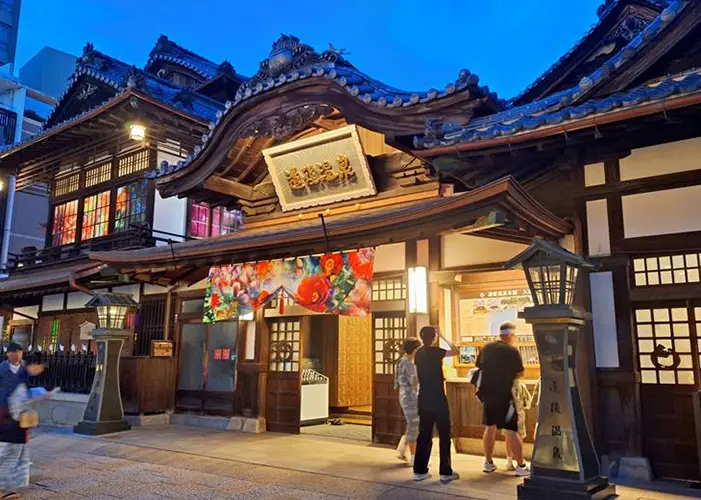
One of the most appealing features of the hike-and-bike itinerary is the opportunity to spend time in Matsuyama, home to Dōgo Onsen.
Widely regarded as one of Japan’s oldest hot spring destinations, Dōgo Onsen has welcomed bathers for centuries and remains an important symbol of Japanese wellness culture. The historic bathhouse, with its distinctive architecture and long history, offers travelers a chance to experience one of the country’s most enduring traditions.
After days spent cycling coastal roads and hiking forested trails, soaking in mineral-rich thermal waters provides a fitting reward and a deeper appreciation for Japan’s unique approach to relaxation and wellbeing.
Beyond the Guidebooks
What makes these new itineraries particularly appealing is their focus on slower, more immersive travel.
Rather than rushing between major attractions, travelers are encouraged to engage with local communities, enjoy regional cuisine, and experience daily life in smaller towns and villages. The combination of self-guided flexibility and carefully curated routes allows visitors to discover the region at their own pace while benefiting from Oku Japan’s extensive local knowledge.
The journeys also reflect a growing trend in travel toward active experiences that combine physical activity with cultural discovery and authentic connections.
Why the Seto Inland Sea Should Be on Your Japan Bucket List
Japan’s Seto Inland Sea remains one of the country’s most underrated travel regions. Its blend of natural beauty, cultural heritage, excellent cycling infrastructure, and warm local hospitality creates an experience that feels both adventurous and deeply rewarding.
Whether crossing island-spanning bridges on a bicycle, hiking through temple forests, relaxing in a centuries-old onsen, or watching the sun set over the inland sea, travelers encounter a side of Japan that remains largely untouched by mass tourism.
For those looking to explore beyond the familiar highlights of Tokyo and Kyoto, these new active itineraries offer an unforgettable way to experience the landscapes, traditions, and communities that make Japan such a remarkable destination.