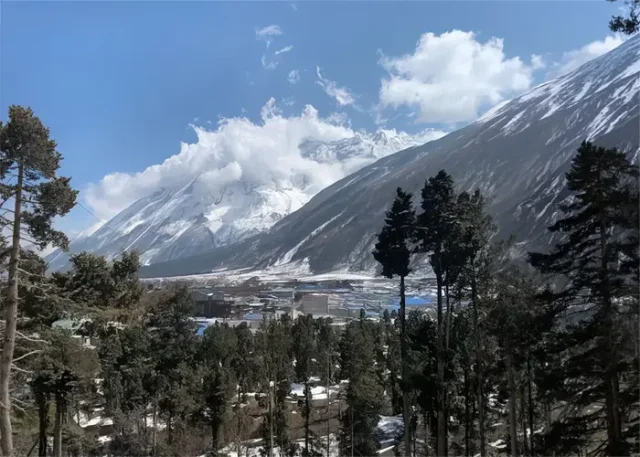
Nepal is one of the world’s premier trekking destinations, renowned for its breathtaking Himalayan landscapes, rich cultural heritage, and some of the most rewarding trekking experiences on Earth. Whether you have just over a week or up to two weeks available, there are numerous trekking routes that fit perfectly within an 8 to 15-day itinerary, offering everything from iconic mountain viewpoints to remote villages and diverse alpine landscapes.
Choosing the right trek is just as important as choosing the right local expert. With experienced guides, personalized trekking itineraries, and in-depth knowledge of Nepal’s trails, Himalayan Friendly helps travelers plan safe, enjoyable, and memorable Himalayan adventures. Alongside guided trekking experiences, himalayanfriendly.com offers practical travel guides, expert trekking advice, destination insights, and planning resources to help you choose the route that best matches your fitness level, travel goals, and available time.
Quick Comparison of the Best 8 to 15-Day Treks in Nepal
| Trek | Duration | Difficulty | Highest Elevation | Best For |
| Everest Base Camp Trek | 12–14 Days | Challenging | 5,545 m | Classic Himalayan adventure |
| Annapurna Base Camp Trek | 9–12 Days | Moderate | 4,130 m | Varied landscapes |
| Langtang Valley Trek | 8–10 Days | Moderate | 4,984 m | Fewer crowds |
| Mardi Himal Trek | 8 Days | Moderate | 4,500 m | Short scenic trek |
| Ghorepani Poon Hill Trek | 8 Days | Easy–Moderate | 3,210 m | Beginners & families |
| Everest Panorama Trek | 8–10 Days | Moderate | 3,860 m | Everest views without extreme altitude |
| Annapurna Circuit Short Trek | 12–15 Days | Challenging | 5,416 m | High mountain pass adventure |
| Gokyo Lakes Trek | 12–15 Days | Challenging | 5,357 m | Alpine lakes & Everest scenery |
Which Trek Should You Choose?
Pick your trek based on what you actually want out of the trip, not just which name you’ve heard the most.
- Want the trek everyone talks about? Go for Everest Base Camp.
- Want strong scenery without needing a huge amount of prep? Annapurna Base Camp fits well.
- Prefer quieter trails and smaller mountain villages? Langtang Valley is worth the detour.
- Only have about a week free? Mardi Himal gets you real Himalayan views without eating up your whole holiday.
- Trekking with family or trying this for the first time? Ghorepani Poon Hill is about as forgiving as it gets.
- Want to see Everest without going above 5,000 metres? The Everest Panorama Trek does exactly that.
- After a proper high pass and dramatic scenery? The Short Annapurna Circuit delivers.
- Keen on alpine lakes and wide viewpoints away from the main Everest crowds? Gokyo Lakes is the one.
1. Everest Base Camp Trek (12–14 Days)
Quick Facts
- Duration: 12–14 Days
- Difficulty: Challenging
- Maximum Elevation: 5,545 m (Kala Patthar)
- Accommodation: Tea Houses
- Best Seasons: Spring and Autumn
For a lot of trekkers, this is the one — the trip that gets planned years in advance. It starts with a short, scenic flight into Lukla, then a slow climb through Sherpa villages, old monasteries, swinging suspension bridges, and pine forest, all the way up to the foot of the world’s highest mountain.
Reaching Base Camp itself is the goal, but most people say the real highlight is the early-morning climb to Kala Patthar, where you get a direct view of Everest, Nuptse, Pumori, and Ama Dablam all at once.
Best For: Adventure seekers, photographers, experienced hikers, and anyone ticking this off a long-held list.
Things to Know: Acclimatization days matter here — don’t skip them. Expect 5–7 hours of walking most days, and keep in mind Lukla flights can get delayed by weather.
2. Annapurna Base Camp Trek (9–12 Days)
This is probably Nepal’s most well-rounded trek. You’ll pass through Gurung villages, terraced fields, rhododendron forest, and a few waterfalls before the landscape opens up into the Annapurna Sanctuary, ringed by Annapurna I, Machhapuchhre, Hiunchuli, and a handful of other big peaks.
What sets this trek apart from Everest is how much the scenery changes day to day — you’re rarely looking at the same thing for long. After descending from base camp, the hot springs at Jhinu Danda are a genuinely good way to ease off tired legs.
Best For: Travellers who want strong mountain views without trekking above 5,000 metres. Difficulty: Moderate — manageable for a reasonably fit beginner with some preparation.
3. Langtang Valley Trek (8–10 Days)
Langtang gets skipped over more than it should, mostly because Everest and Annapurna get all the attention. But it’s one of the better-value treks in the country — close to Kathmandu, with good forest, glacier-fed rivers, yak pasture, monasteries, and Tamang villages along the way.
The trip builds toward Kyanjin Gompa, then a climb up Kyanjin Ri or Tserko Ri for views over Langtang Lirung and the surrounding range.
The trails here are noticeably quieter than Everest’s, so it makes for a calmer trek without giving up much on the mountain scenery.
Best For: Nature lovers, culturally curious travellers, and anyone who’d rather skip the crowds.
4. Mardi Himal Trek (8 Days)
Mardi Himal has picked up a lot of popularity in the last few years, and it’s easy to see why. The trail winds through quiet forest before opening onto ridgelines with clear views of Machhapuchhre, Annapurna South, and Hiunchuli.
It’s short, but the views hold up against much longer routes, which is part of the appeal for people short on time.
Compared to Annapurna Base Camp, Mardi Himal still sees fewer trekkers through most of the season, which makes it a solid pick if you’d rather not share the trail with a crowd.
Best For: Couples, photographers, and anyone wanting strong mountain views in under a week.
5. Ghorepani Poon Hill Trek (8 Days)
This is generally regarded as the best starting point for trekking in Nepal. It doesn’t reach the altitudes other treks do, but the sunrise from Poon Hill — looking out over the Annapurna and Dhaulagiri ranges — is hard to beat for the effort involved.
The route runs through Gurung and Magar villages, rhododendron forest, and well-set-up tea houses along the way. Shorter daily walks and comfortable stops make this one workable for families, older trekkers, and anyone doing this for the first time.
Best For: Beginners, families, and anyone after solid mountain views without a tough climb.
6. Everest Panorama Trek (8–10 Days)
Not everyone has the time (or interest) to go all the way to Base Camp. The Everest Panorama Trek covers a lot of the same cultural ground while staying well below the more extreme altitudes.
You’ll pass through Namche Bazaar, Khumjung, and Tengboche Monastery, with good views of Everest, Lhotse, Ama Dablam, and Thamserku along the way.
Because you’re not pushing altitude as hard, the risk of altitude sickness drops off too, while you still get a proper feel for Sherpa culture and daily life in the region.
Best For: Anyone who wants Everest views on a shorter timeline.
7. Annapurna Circuit Short Trek (12–15 Days)
The Annapurna Circuit is one of the most recognised trekking routes anywhere, and the shorter version keeps the best part of it — including the crossing of Thorong La Pass at 5,416 metres.
Over the course of the trek, you’ll move from green valleys to dry, high-altitude terrain, eventually reaching Muktinath, an important pilgrimage site. The shift in climate and culture across just a few days is part of what makes this trek stand out.
It’s physically demanding, no question, but the range of landscapes you pass through makes it worth the effort for most people who take it on.
Best For: Experienced trekkers after adventure and variety.
8. Gokyo Lakes Trek (12–15 Days)
The Gokyo Lakes are a strong alternative if you want the Everest region without following the main Base Camp trail. Instead, you head toward the turquoise glacial lakes of the Gokyo Valley, then climb Gokyo Ri for one of the better viewpoints in the country.
The mix of glacial lakes, glaciers, big peaks, and quieter trails gives this trek a different feel from the standard EBC route.
A fair number of experienced trekkers actually rate the view from Gokyo Ri above Kala Patthar.
Best For: Photographers, experienced hikers, and anyone after an Everest-region trek without the crowds.
Best Time for 8–15 Day Trekking in Nepal
Trekking is possible year-round in Nepal, but spring and autumn are consistently the better options for most 8 to 15-day routes. Here’s roughly what to expect each season:
Spring (March to May): One of the most popular windows to trek — mild weather, rhododendron forests in bloom, clear mountain views, and good conditions for routes like Annapurna Base Camp, Everest Base Camp, Langtang Valley, and Mardi Himal.
Autumn (September to November): Usually considered peak season, thanks to steady weather, dry trails, and the clearest visibility of the year. This works well for nearly every route on this list, especially higher routes like Everest Base Camp, Gokyo Lakes, and the Annapurna Circuit.
Winter (December to February): Fine for lower and mid-altitude treks like Ghorepani Poon Hill and Mardi Himal. At higher elevations, though, temperatures drop well below freezing and heavy snow can close off passes or sections of trail.
Monsoon (June to August): Generally the weakest season for trekking — regular rain, slippery trails, leeches at lower elevations, and poor visibility of the mountains. The exception is rain-shadow areas like Upper Mustang and Dolpo, which stay trekkable through this period.
Conclusion
Nepal has enough variety packed into an 8 to 15-day window that almost any traveller can find a route that fits their fitness level, schedule, and interests. Whether that’s the well-known pull of Everest Base Camp, the quieter pace of Langtang Valley, or the shorter, view-heavy Mardi Himal Trek, each route offers its own mix of mountains, culture, and the kind of days you end up talking about long after you’re home.
If you’re planning your next trek and want some local guidance, Himalayan Friendy can help you settle on a route that fits your goals, timeline, and budget. With local expertise, experienced guides, and itineraries built around what actually works on the ground, we’re here to help you get the most out of trekking in Nepal.
Read more for expert trekking guides, detailed destination insights, seasonal travel advice, and practical planning tips created by local trekking professionals to help you make informed decisions before your Himalayan adventure.