For years, luxury travel was defined by exclusivity: private villas, five-star resorts, first-class flights, and coveted reservations. Today, I see women redefining luxury entirely.
After leading women-only journeys around the world for more than fifteen years, I’ve noticed a growing number of travelers moving away from packed itineraries and bucket-list checklists. Instead, they are seeking something that feels increasingly rare in modern life: meaning.
One of the most powerful expressions of this shift is the rise of pilgrimage-style travel.
Traditionally associated with religious devotion, pilgrimages have evolved into deeply personal journeys that attract travelers of all backgrounds. Routes like the Camino de Santiago in Spain have become magnets for women looking not only to explore a destination but also to reconnect with themselves.
What makes these journeys so appealing right now? The answer may be found in the world we’ve created.
We live in an age of constant stimulation. News alerts arrive by the minute. Social media demands our attention. Many women are balancing careers, families, caregiving responsibilities, and the endless pressures of modern life. Even vacations have become stressful, with travelers racing from one attraction to the next in an effort to maximize every moment.
Pilgrimages offer the opposite experience. There is beauty in waking up each morning with a simple purpose: put one foot in front of the other.
Whether walking through the rolling hills of northern Spain, following ancient paths through Portugal, or embarking on other transformative journeys around the world, travelers discover something extraordinary in the simplicity. The pace slows. Conversations deepen. Distractions fade away.
Many women tell me they experience a profound sense of clarity during these journeys. Without the constant noise of everyday life, they finally have space to think.
For some, that means processing a major life transition such as retirement, divorce, an empty nest, or a career change. For others, it is simply an opportunity to step away from responsibilities and reconnect with their own voice.
The pilgrimage itself becomes less about reaching a destination and more about embracing the journey.
Another reason these experiences are resonating so strongly is the sense of community they create.
One of the greatest misconceptions about transformational travel is that it is a solitary pursuit. In reality, many women are craving connection as much as reflection. Walking alongside fellow travelers, sharing meals, exchanging stories, and supporting one another along the way often leads to friendships that last long after the journey ends.
In a world where genuine human connection can feel increasingly elusive, these experiences provide a powerful antidote to loneliness and isolation.
The trend also reflects a broader evolution in women’s travel.
When Girls’ Guide to the World launched in 2009, many travelers were focused on seeing as much of the world as possible. Today, women are more interested in experiencing the world deeply.
Rather than asking, “How many countries can I visit this year?” They are asking, “How can this journey change me?”
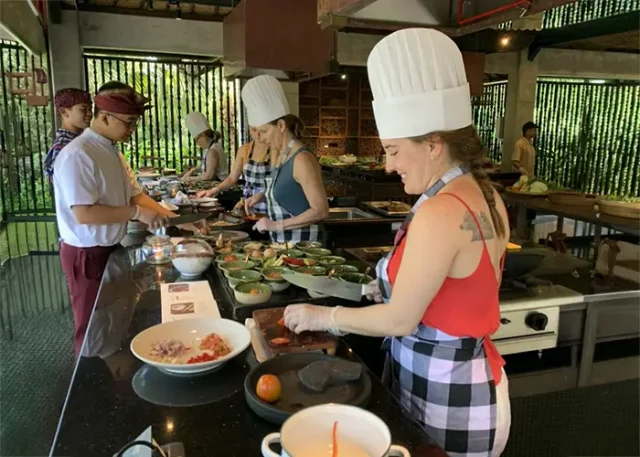
We see growing demand for longer stays, cultural immersion, wellness-focused experiences, local connections, and opportunities to learn. Travelers want to cook with local families, walk ancient routes, understand traditions, and engage with communities in meaningful ways.
This shift is particularly noticeable among women over fifty, many of whom are entering a new chapter of life with greater freedom to travel and a stronger desire to invest in experiences rather than possessions.
The true luxury is no longer excess.
It is time.
Time to reflect.
Time to connect.
Time to be present.
Pilgrimages offer all three.
As travelers continue to seek experiences that nourish both mind and spirit, I believe we are only at the beginning of this movement. The future of travel will not be measured by how much we see, but by how deeply we experience it.
And sometimes, the most meaningful journeys begin with a single step.