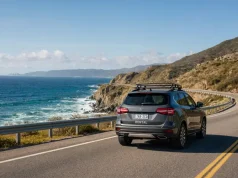
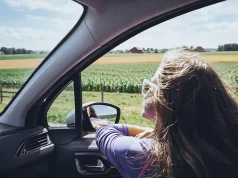
California is a bucket-list drive. The Pacific Coast Highway, the deserts, the redwoods, and the sprawl of Los Angeles all reward travelers who explore by car. But the state’s roads are also busy, fast, and unfamiliar to visitors, which makes a little preparation go a long way.
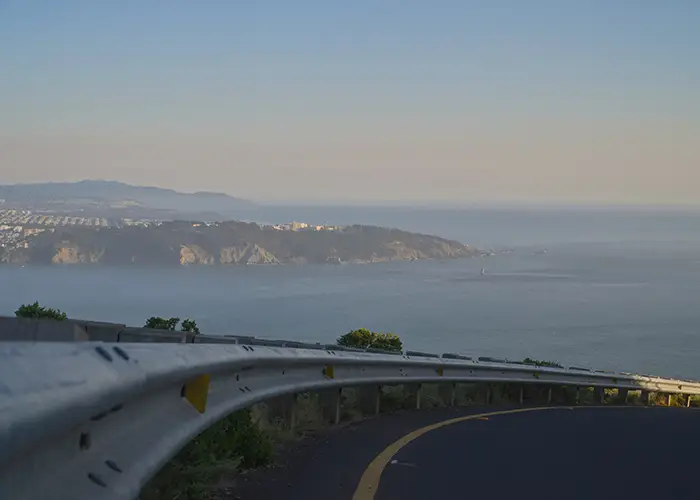
Most trips are smooth, yet knowing the basics protects your holiday if something goes wrong. Should a crash happen in the city, resources like The Agemian Law Group car accident lawyers handle the aftermath for people injured in Los Angeles. This guide covers preparing, driving safely, and responding to an accident.
What Makes Driving In California Different?
Scale and variety. Conditions change fast across the state.
You might drive coastal cliffs in the morning and gridlocked freeways by afternoon. Los Angeles traffic alone can overwhelm a visitor used to quieter roads. Weather, elevation, and unfamiliar interchanges all add to the challenge.
The point is readiness. California rewards drivers who plan ahead. Even confident drivers benefit from treating an unfamiliar state as a fresh challenge rather than a routine commute.
How Do You Prepare for a California Road Trip?
With a short pre-trip checklist. Preparation prevents most headaches.
Confirm your rental coverage or personal policy, since California road trip insurance rules can differ from your home state. California also raised its minimum coverage limits in 2025, so check what applies. The essentials before you set off are these 5:
- Check coverage. Confirm insurance before you drive.
- Map the route. Know tolls and long gaps.
- Inspect the car. Tires, brakes, and fluids.
- Plan rest stops. Avoid driving overtired.
- Save emergency info. Store key numbers offline.
Each step takes minutes. Together they prevent the most common trip disruptions.
What About Busy Event Weekends?
Traffic spikes hard. Big events change the roads.
Concerts, games, and festivals can turn a normal route into a crawl, so understanding driving in California during peak times helps. Leaving early and building in buffer time keeps stress low. Patience is your best tool on an event weekend. A relaxed schedule turns a frustrating jam into just another part of the trip.
How Do You Drive Safely On Unfamiliar Roads?
By minimizing distraction. Attention is everything on new roads.
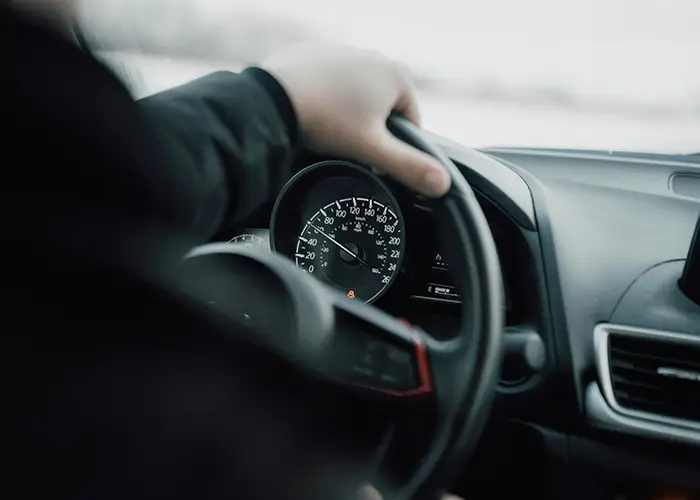
Unfamiliar interchanges demand your full focus, and distracted driving is a leading crash cause, a point stressed by the CDC on distracted driving. A few habits keep you safer:
- Set navigation before you start driving.
- Keep both hands free of your phone.
- Take regular breaks to fight fatigue.
Each habit lowers your crash risk. Together they keep a scenic drive from turning dangerous. None of them slow you down; they simply keep your attention where it belongs, on the road.
What Should You Do After a Car Accident?
Stay calm and methodical. Clear steps protect your safety and your claim.
First, check for injuries and call 911 if anyone is hurt. Move to safety, exchange information, and document the scene with photos. It also helps to know the rules of the road, which are laid out in the California driver handbook.
The rule is composure. Careful action now protects you later. Gather names, numbers, and insurance details from everyone involved, and note the time and location while it is fresh.
Key Points to Keep In Mind
- California roads are scenic but busy and unfamiliar to visitors.
- Confirm insurance coverage before you drive, as limits changed in 2025.
- Event weekends cause major traffic; leave early.
- Distracted driving is a leading cause of crashes.
- After a crash, check injuries, call 911, and document the scene.
- Serious injury accidents may warrant legal help.
Enjoying the Drive Safely
A California road trip is one of travel’s great pleasures, and a little preparation is what keeps it that way. Sort your insurance, plan your route, and drive with full attention, especially on unfamiliar or crowded roads. If an accident does happen, stay calm, prioritize safety, and document everything. This is general information, not legal advice, so seek qualified help for a serious crash. Prepared and calm, you can focus on the scenery rather than the stress.
Frequently Asked Questions
Do I Need Special Insurance to Drive In California?
You need at least California’s minimum liability coverage, and the state raised those minimums in 2025, so confirm current requirements. If you are renting, check whether the rental policy or your own auto insurance covers you, and consider a supplement if there are gaps. Visitors from other states or countries should verify their coverage applies in California before driving. A quick check with your insurer prevents expensive surprises.
What Should I Do Immediately After a Car Accident?
First, check everyone for injuries and call 911 if anyone is hurt. Move vehicles out of traffic if it is safe, then exchange names, insurance, and contact details with the other driver. Photograph the scene, the vehicles, and any damage. Avoid admitting fault at the scene. Report the accident as required, and seek medical attention even for minor symptoms, since some injuries appear later.
Is Los Angeles Traffic Really That Bad for Visitors?
It can be challenging, especially during rush hours and major event weekends. Freeways are wide and fast, interchanges come quickly, and congestion is common. Visitors used to quieter roads should allow extra time, use navigation set before driving, and stay patient. Planning trips outside peak hours where possible makes the experience far less stressful and reduces the risk of a distracted or rushed mistake.
When Should I Contact a Lawyer After a Crash?
Consider legal advice if the accident caused injury, significant damage, or a dispute over fault. A consultation can clarify your rights and options, particularly for a serious crash while traveling far from home. Many firms offer a free initial review. This is general information, not legal advice, so speak with a qualified attorney about your specific situation before making decisions about a claim.