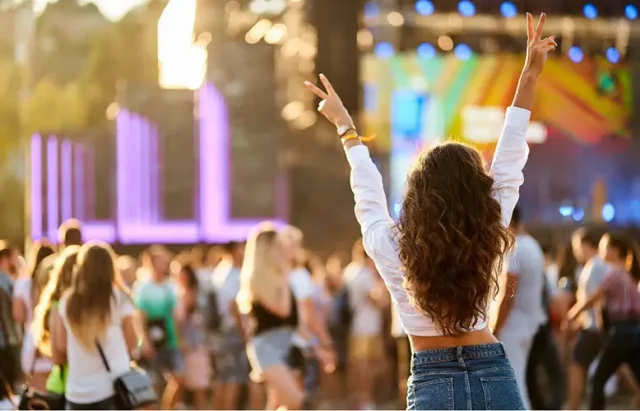
California is home to some of the country’s biggest concerts, sporting events, conventions, fairs, and holiday travel weekends. While these events bring excitement to cities across the state, they can also create major traffic congestion, parking restrictions, towing risks, and longer travel times for drivers.
Whether you’re heading to a concert in Los Angeles, navigating crowded streets near Golden Gate Park, or driving through a beach town during a holiday weekend, understanding how California cities handle traffic, parking, and enforcement can help you avoid unnecessary stress on the road.
Which Areas See the Most Traffic Congestion?
Traffic patterns can change dramatically during major events and peak travel weekends, especially in California’s busiest cities and entertainment hubs.
In Southern California, stadiums, concert venues, and event spaces throughout Los Angeles and Orange County can cause traffic backups across major freeways like I-10, I-405, I-5, and US-101. Congestion often worsens during evening events, holiday weekends, and large outdoor gatherings, with nearby surface streets filling up quickly before and after events.
Desert destinations like Palm Springs and Indio also experience major slowdowns during large concerts, sporting events, and seasonal tourism peaks. Roads like I-10 and Highway 111 can become heavily congested as drivers travel between hotels, venues, and surrounding cities.
In Northern California, large gatherings near Golden Gate Park, downtown San Francisco, and waterfront districts can create significant traffic delays. Streets near event venues, parks, and convention centers often become crowded with rideshare vehicles, pedestrians, and limited parking availability.
Beach communities and tourist destinations across the state can also see sharp increases in traffic during summer weekends and holidays. Popular coastal routes, downtown areas, and parking lots may remain crowded for hours during peak travel periods. Be sure to keep an eye on traffic trends and try to head to your destination as early as possible to avoid traffic and parking hassles.
Can You Get Towed or Ticketed More Easily During Major Events?
Yes, cities like Indio, Los Angeles, and San Francisco enforce temporary restrictions pretty aggressively during major events. In the Coachella Valley, residential areas near the Empire Polo Club often implement “no festival parking” rules, with active towing in neighborhoods like La Quinta and Indio.
Los Angeles follows a similar pattern, especially around large venues and event corridors. Street sweeping rules, temporary signage, and red zones are enforced more strictly, and enforcement officers are out in full force. And if you’re in San Francisco, you risk parking violations near Golden Gate Park, especially if you block driveways or ignore expired meters and temporary signs. Always look out for nearby parking signs that may not be in plain sight.
Are DUI Checkpoints More Common?
Yes, DUI checkpoints are much more common in and around major event areas, especially at night and on the weekends. Keep an eye out for increased patrols and sobriety checkpoints along interstates, in big nightlife areas, and by major exits and intersections.
While rideshares are encouraged for the safety of anyone who has been drinking at a concert or sporting event, keep in mind that rideshare zones are also heavily monitored. Whether you’re driving for a rideshare company or you’re hailing a ride, double parking, illegal stops, or unsafe pickups can quickly result in citations around the festivals.
Where Should You Actually Park?
In high-traffic regions like Indio, official festival parking is the safest bet, even if it means a longer walk. The surrounding lots are designed to handle volume and are actively managed, which reduces the risk of towing or damage.
If you’re going to a show in SoCal, consider park-and-ride options. Using designated lots and hopping on a shuttle allow you to bypass the worst congestion and avoid navigating crowded local streets. Your best bet in the San Francisco area is using a rideshare or public transportation since parking is so limited. Across all these California regions, street parking near venues is the highest-risk option unless signage clearly allows it.
What Happens If Your Car Gets Damaged or Broken Into?
Break-ins are unfortunately a higher risk in crowded lots and dark side streets. From a California car insurance perspective, many drivers assume everything inside their car is protected. However, comprehensive auto coverage typically applies to damage to the vehicle itself — like a smashed window — but not to personal belongings inside.
That means a stolen bag, laptop, or other valuables may not be covered under even the best auto insurance policies in California. Keeping items out of sight, or not leaving them in the car at all, is one of the easiest ways to reduce your risk.
How to Avoid Getting Stuck for Hours
Timing and route planning can have a major impact on how long you spend in traffic during busy California weekends.
Arriving earlier in the day, before peak traffic builds, can help drivers avoid the worst congestion near event venues and tourist areas. Leaving slightly before an event ends may also reduce the likelihood of getting caught in long exit lines or gridlocked parking lots.
Drivers should also avoid relying entirely on a single GPS route. Alternative surface streets or secondary freeway connections may provide faster options when major roads become congested.
Checking traffic conditions before leaving, allowing extra travel time, and using public transportation when available can all help reduce delays. Drivers using rideshare services should also prepare for possible surge pricing, long wait times, and crowded pickup zones during major events.
From concerts and sporting events to holiday weekends and citywide festivals, California roads can become significantly more crowded during major events. Understanding what to expect, including heavier traffic, increased parking enforcement, and higher risks for delays or vehicle break-ins, can help drivers better prepare for busy weekends and avoid unnecessary headaches on the road.