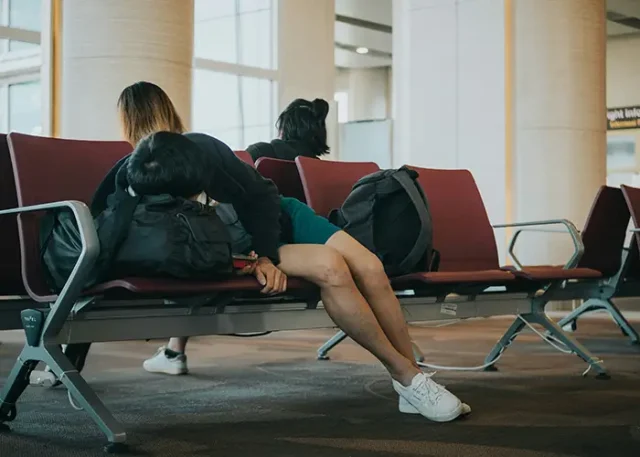
Traveling across time zones can be exciting, whether you are heading on vacation, attending a business meeting, or exploring a new country. However, the sudden change in your body’s internal clock can leave you feeling tired, confused, and out of sync. This condition, known as jet lag, occurs when your circadian rhythm—the natural cycle that regulates sleep, energy, and other bodily functions—does not match the local time of your destination.
Jet lag is temporary, but it can affect your mood, concentration, appetite, and overall enjoyment of your trip. Fortunately, with the right preparation and habits, you can reduce its effects and help your body adapt more quickly. Here are some practical jet lag management tips to make long-distance travel easier.
Understand How Jet Lag Works
Your body follows a 24-hour biological rhythm controlled mainly by light exposure. This internal clock helps determine when you feel awake and when you feel sleepy. When you cross several time zones quickly, your body may still be operating according to your previous schedule while the outside world follows a different one.
For example, if you travel from Europe to North America, your body may feel ready for sleep while it is still daytime at your destination. Traveling eastward can often feel more difficult because you are required to adjust to an earlier schedule, while westward travel usually involves staying awake later than usual.
Understanding this process can help you make better choices before, during, and after your journey.
Adjust Your Schedule Before Traveling
One of the most effective ways to reduce jet lag is to begin adjusting your sleep schedule before you leave. A few days before your trip, gradually move your bedtime and wake-up time closer to the schedule of your destination.
If you are traveling east, try going to bed and waking up slightly earlier each day. If you are traveling west, shift your schedule later. Even a small adjustment of 30 to 60 minutes per day can make the transition easier.
You can also start planning your meals around your destination’s time zone. Eating at the times you expect to eat after arrival can help your body begin adapting.
Use Light Exposure Strategically
Light is one of the strongest signals that controls your internal clock. Using natural light at the right time can help reset your circadian rhythm.
After arriving at your destination, spend time outside during daylight hours. Morning sunlight can help your body adjust when traveling east, while evening light exposure can be useful when traveling west. Avoiding bright light at the wrong times may also prevent confusion for your internal clock.
For example, if you arrive in the morning after an overnight flight, try to stay awake until the evening and get natural daylight exposure rather than immediately taking a long nap.
Prioritize Quality Sleep
Getting enough rest is important, but sleeping at the wrong time can make jet lag last longer. Try to follow the local schedule as soon as possible after arrival.
Some travelers may research options and decide to buy Armodafinil in Australia to help manage daytime tiredness.
If you are extremely tired, a short nap of 20 to 30 minutes can help restore energy without making it harder to sleep at night. Longer naps may leave you feeling groggy and delay your adjustment.
Create a comfortable sleep environment by keeping your room dark, quiet, and cool. If necessary, use an eye mask, earplugs, or white noise to block distractions.
Stay Hydrated and Eat Well
Airplane cabins have low humidity, and long flights can contribute to dehydration. Drinking enough water before, during, and after your flight can help reduce fatigue and headaches.
Try to limit alcohol and excessive caffeine during travel. Alcohol can interfere with sleep quality, while too much caffeine may make it harder for your body to rest when needed.
Eating balanced meals with vegetables, protein, and whole grains can also support your energy levels. Heavy meals at unusual times may make it harder for your body to adjust.
Keep Your Body Moving
Physical activity can improve alertness and help your body adapt after travel. During long flights, stand up, stretch, and move around when possible to reduce stiffness and maintain circulation.
After arriving, gentle exercise such as walking, stretching, or light workouts can help you feel more awake and energized. Avoid intense exercise close to bedtime, as it may make falling asleep more difficult.
Plan Your Arrival Time Carefully
When possible, choose flights that help you arrive at a convenient time. Arriving in the morning or afternoon gives you more opportunities to experience natural light and adjust to the local routine.
If you arrive late at night, your body may already be exhausted but still following your previous time zone. Planning your arrival strategically can make the first few days of your trip much easier.
Be Patient With Your Body
Jet lag does not disappear instantly. Most people need several days to fully adjust, especially after crossing multiple time zones. A common guideline is that your body may need about one day per time zone crossed, although the experience varies from person to person.
Avoid putting too much pressure on yourself during the first days of a trip. Schedule important meetings, activities, or sightseeing plans with enough flexibility to allow your body to recover.
Consider Sleep Aids Carefully
Some travelers use sleep aids, including supplements such as melatonin, to help manage jet lag. However, their effectiveness can vary, and timing is important. If you are considering using any sleep-related supplement, it is best to discuss it with a healthcare professional, especially if you have existing health conditions or take medications.
Healthy habits such as proper light exposure, consistent sleep timing, and good hydration are often the foundation of effective jet lag management.
Jet lag is a common challenge of modern travel, but it does not have to ruin your experience. By preparing before your journey, managing light exposure, maintaining healthy sleep habits, and giving your body time to adjust, you can reduce fatigue and enjoy your destination sooner.
The key is to work with your body’s natural rhythm rather than fighting it. With a thoughtful approach, long-distance travel can become more comfortable, allowing you to arrive feeling refreshed, focused, and ready for new experiences.